

Implant-Supported Dentures Thornhill: The Upgrade Conventional Dentures Can't Match
If you wear conventional dentures and deal with slipping, clicking, adhesive paste, or the anxiety of eating anything firm, implant-supported dentures may be the upgrade you have been waiting for.
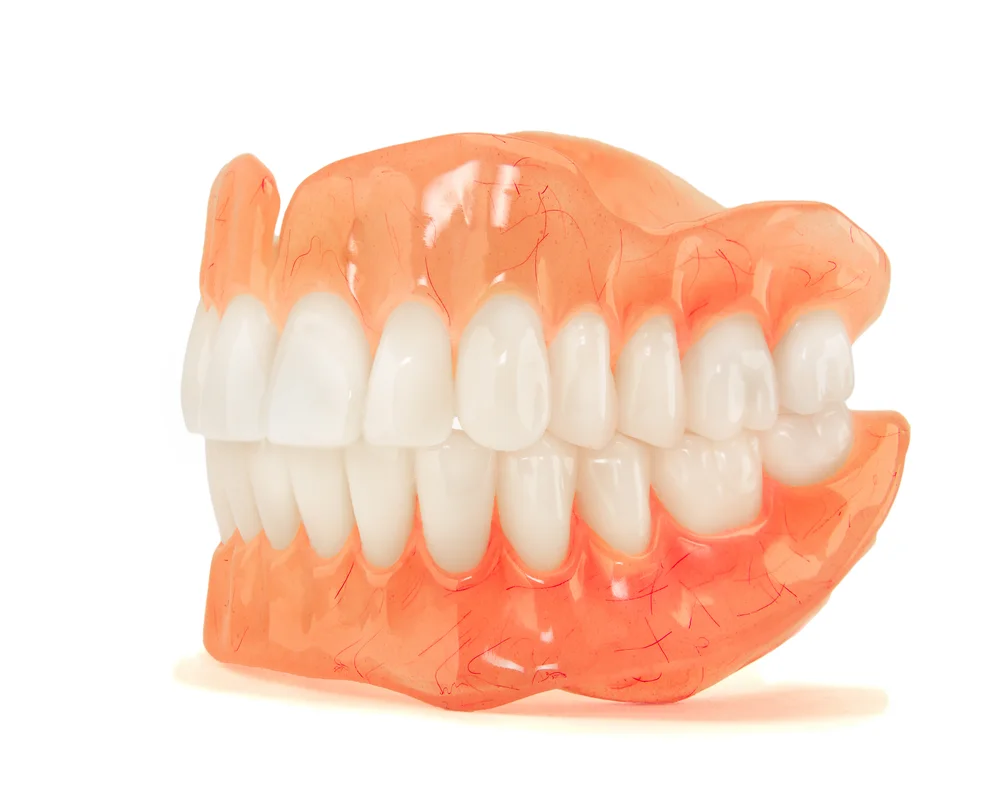
At MiNa Family Dentistry, 7191 Yonge St Unit 205, Thornhill, Dr. Mehdi Adibrad combines a Master of Science in periodontics with two decades of surgical experience to give patients a stable, bone-preserving alternative to traditional removable dentures. This page explains what implant-supported dentures are, the different types available, how many implants are needed, and what you can expect from the process and the cost.
What Are Implant-Supported Dentures?
Implant-supported dentures cover two related but distinct solutions. Both use dental implants as anchors for a denture prosthesis, but they work differently and suit different patient needs.
Type 1: Implant-Retained Overdentures (Snap-In Dentures)
An implant-retained overdenture uses 2 to 4 implants in the lower jaw or 4 to 6 implants in the upper jaw as attachment points. The denture clips onto the implants using ball-and-socket or bar-and-clip attachments, snapping firmly in place during the day and removing at night for cleaning. This option dramatically improves stability compared to a conventional denture and slows bone loss, though some resorption can still occur because the prosthesis also rests on the gum tissue.
Type 2: Implant-Supported Fixed Bridges (Non-Removable)
An implant-supported fixed bridge is permanently attached to the implants and does not come out. This is similar in concept to All-on-4. It requires more implants — typically 4 to 6 per arch — but provides superior stability, better bone preservation, and a more natural feel. You clean it in your mouth just like natural teeth.
How Implant-Supported Dentures Compare to Conventional Dentures
Many patients who have been wearing conventional dentures for years accept the limitations as normal. They are not. The bone loss issue deserves special attention: when teeth are removed, the jawbone shrinks because it no longer receives stimulation from tooth roots. A conventional denture actually accelerates this process through pressure on the soft gum tissue. Over years and decades this leads to a shrunken jaw, a sunken facial appearance, and a repeatedly ill-fitting denture. Implants stop this cycle by acting as prosthetic tooth roots.
| Factor | Implant-Supported Dentures | Conventional Dentures |
|---|---|---|
| Stability | High — secured to implants | Low — relies on suction and adhesive |
| Bone preservation | Yes — implants stimulate jawbone | No — bone loss accelerates |
| Chewing force | 60–90% of natural (varies by type) | 20–25% of natural |
| Adhesive required | Never | Often daily |
| Fit changes over time | Minimal — bone preserved | Significant — needs regular relining |
| Facial appearance over time | Preserved with implants | Facial collapse from bone loss |
How Many Implants Are Needed?
The number of implants depends on the type of implant-supported denture chosen and which jaw is being treated. The upper jaw generally requires more implants because upper jaw bone is typically less dense and sinus cavities limit available bone in the posterior areas.
| Denture Type | Lower Jaw | Upper Jaw |
|---|---|---|
| Snap-in overdenture | 2 to 4 implants | 4 to 6 implants |
| Fixed implant bridge | 4 to 6 implants | 5 to 6 implants |
Who Is a Candidate?
Good candidates include patients currently wearing full conventional dentures in one or both arches, patients about to lose all remaining teeth, patients who experience pain or difficulty eating with their current dentures, and patients who want a long-term solution that preserves their bone and facial structure.
- Adequate bone volume — enough to hold implants securely, or willingness to undergo bone grafting first
- Good general health — conditions like uncontrolled diabetes need to be managed before surgery
- Non-smoking or willingness to quit during healing
- Commitment to follow-up appointments and regular professional cleanings
The Process: From Consultation to Final Prosthesis
Step 1: Consultation and Imaging
Dr. Adibrad begins with a comprehensive clinical exam and 3D cone beam CT imaging to assess bone volume and plan implant positions. You leave this appointment with a clear, written treatment plan and cost breakdown.
Step 2: Bone Grafting (If Required)
If bone volume is insufficient, grafting is performed first and given three to six months to heal. Many patients skip this step entirely.
Step 3: Implant Placement
Implants are placed under local anaesthetic, sometimes combined with sedation for comfort. Healing time for osseointegration is three to six months.
Step 4: Attachment Fitting and Final Prosthesis
For snap-in overdentures, attachments are placed in the existing or newly made denture to allow it to clip onto the implants. For fixed implant bridges, abutments are attached to the implants and a custom prosthesis is fabricated by a dental laboratory. Patients typically need one or two follow-up visits after delivery to perfect the fit.
Maintaining Implant-Supported Dentures
Snap-in overdentures should be removed at night and cleaned thoroughly. The implant attachments require periodic replacement — typically every one to two years — as they wear with daily use.
Fixed implant bridges are cleaned in the mouth using a regular toothbrush, floss, and water flosser to clean around the bridge margins. Professional cleanings every three to six months allow the team to inspect the implants and prosthesis. Proper maintenance is the single biggest factor in implant longevity.
Cost of Implant-Supported Dentures in Thornhill
Cost varies based on the number of implants, whether bone grafting is needed, and whether the prosthesis is removable or fixed. MiNa Family Dentistry offers payment plan options.
| Treatment | Approximate Cost (Ontario) |
|---|---|
| Snap-in overdenture (2 implants + denture) | $6,000–$10,000 |
| Snap-in overdenture (4 implants + denture) | $10,000–$16,000 |
| Fixed implant-supported bridge (per arch) | $20,000–$30,000 |
| Conventional full denture (for comparison) | $1,500–$3,000 |
Watch & Learn
Further Reading
ADA: DenturesFrequently Asked Questions
Ready to get started?
MiNa Family Dentistry
7191 Yonge St Unit 205, Thornhill, ON L3T 0C4
(289) 597-7191
Mon–Thu 9:00 AM–6:00 PM | Fri 9:00 AM–3:00 PM