

Invisalign Teen Thornhill: Everything Parents and Teens Need to Know
Invisalign Teen in Thornhill — a clear aligner system designed specifically for adolescents, with compliance indicators, eruption tabs, and replacement aligners built in.
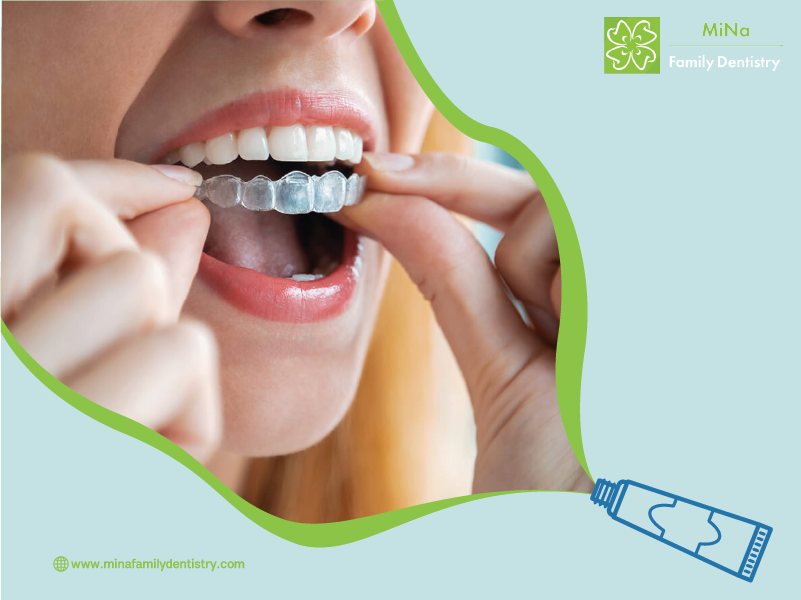
If your teenager needs orthodontic treatment, the good news is that the options available today are better than ever. Invisalign Teen is a version of the Invisalign system designed specifically for adolescents, with features that address the real-world challenges of teen orthodontics: growing teeth, misplaced aligners, and the understandable difficulty of keeping a commitment over a 12 to 18 month treatment.
What Is Invisalign Teen and How Is It Different from Adult Invisalign?
Invisalign Teen is a version of the Invisalign clear aligner system adapted specifically for adolescent patients. The fundamental treatment is the same: a series of custom, removable clear aligners that move teeth gradually toward their planned final positions. But Invisalign Teen includes several features not found in the standard adult system.
Compliance indicators are small blue dots on the back surface of each aligner that fade with wear over time. Because Invisalign Teen requires 20 to 22 hours of daily wear to be effective, this visual indicator gives parents and Dr. Kadivar a way to see at a glance whether the aligner has actually been worn. When the dot has faded appropriately, it confirms the aligner has been used as directed. When the dot is still vivid, it opens a useful, non-confrontational conversation about what has been happening.
Eruption tabs are small features built into the aligner that accommodate teeth as they come in, ensuring that an incoming tooth has the space it needs without disrupting the treatment plan. Invisalign Teen also includes six free replacement aligners per course of treatment, which means a lost or damaged aligner does not automatically become an expensive problem. The ClinCheck treatment plan is built with the expectation that your teenager's teeth and jaw are still maturing.
What Age Is Appropriate for Invisalign Teen?
Invisalign Teen is generally appropriate for adolescents who have most or all of their permanent teeth in place. For most teenagers, this is around age 12 to 13, though it varies depending on the individual. Some teens are ready at 11; others may need to wait until 14 or 15 if certain permanent teeth are still coming in.
The right way to answer this question for your specific child is through a consultation with Dr. Kadivar. During your visit, she will assess your teen's dental development using our 3D digital scanning technology and determine whether enough of the permanent teeth are in place to begin treatment. Dr. Kadivar takes a long view on readiness rather than rushing a teenager into treatment before the timing is right.
Is Invisalign Teen as Effective as Braces for Teenagers?
For the right cases, yes. Invisalign Teen has been clinically validated for mild to moderate alignment corrections in adolescent patients, including many of the same cases that have traditionally been treated with braces. The treatment can address crowding, spacing, and common bite issues effectively.
The key variable is compliance. A teen who wears their aligners faithfully for 20 to 22 hours every day will get results that match or exceed what braces would achieve. A teen who regularly removes their aligners and forgets to replace them will experience slower progress and in some cases may not achieve the planned result. Braces do not carry this variable — once they are placed, they work around the clock without requiring active compliance from the patient.
The honest conversation at a consultation covers both options so that you and your teen can make the choice most likely to succeed, given who your teen actually is.
Helping Your Teen Succeed with Invisalign
Compliance is the central challenge of Invisalign Teen, and the good news is that it is a challenge families can actively address. Setting expectations before treatment starts makes a real difference. Teenagers respond better to clear expectations than to vague rules. Before treatment begins, have a specific conversation about what 20 to 22 hours per day means in practice.
Linking aligner wear to existing routines is one of the most effective strategies. The easiest way to build a habit is to attach it to something that already happens reliably — brushing teeth in the morning and evening becomes the trigger for checking that aligners are clean and replaced. Finishing a meal becomes the cue to put them back in.
Using the compliance indicator as a neutral check-in tool works better for most teenagers than parental reminders alone. The blue dot is a conversation tool, not a punishment system. And keeping the aligner case accessible is a practical step that prevents a significant portion of lost aligners — aligners that end up in a napkin at a restaurant get thrown away.
What Happens If My Teen Loses an Aligner?
Contact MiNa Family Dentistry as soon as you discover the aligner is missing. Do not wait until the next scheduled appointment. We will assess where your teen is in the treatment sequence and arrange a replacement aligner from the six included in the Invisalign Teen program.
Depending on where your teen is in the sequence, Dr. Kadivar may advise moving to the next set if they are close to the transition point, or returning to the previous set temporarily while the replacement is prepared. The important thing is to call promptly so we can minimize any disruption to progress.
Invisalign Teen at School: What Teachers and Peers Will Notice
One of the reasons teenagers and parents ask about Invisalign Teen specifically is the social environment of high school. The answer is straightforward: most people will not notice at all. Invisalign aligners are clear plastic and sit flush against the teeth. In normal conversation, in class presentations, and in photos, they are virtually invisible unless someone is looking from very close up.
Braces are visible. Ceramic brackets reduce the visibility but do not eliminate it. For teenagers who are sensitive about their appearance, or who are already navigating the social pressures of adolescence, the near-invisibility of Invisalign can be a meaningful advantage. Some teens actually feel more confident during treatment knowing that their aligners are not drawing attention.
Sports and Physical Activities with Invisalign Teen
During contact sports such as hockey, rugby, martial arts, football, or basketball, aligners should be removed. A custom-fitted mouthguard should be worn for contact and collision sports regardless of whether you are in Invisalign treatment or not. Dr. Kadivar can advise on mouthguard options at your consultation.
For non-contact sports — running, swimming, tennis, volleyball, cycling — aligners can generally be worn during the activity. Swimmers may prefer to remove aligners during practice to avoid any issues with suction or water exposure over extended sessions. After sports, rinse the aligners and replace them as soon as possible to maintain the daily wear target.
How Does Invisalign Teen Compare to Braces for Teens?
| Factor | Invisalign Teen | Traditional Braces |
|---|---|---|
| Visibility | Nearly invisible | Visible brackets and wires |
| Removable | Yes - for eating, sports, special occasions | No |
| Compliance required | High - 20-22 hours per day required | Low - works passively |
| Compliance tracking | Blue dot indicators per aligner | Not applicable |
| Replacement for lost parts | 6 free replacement aligners included | Broken brackets repaired at appointments |
| Suitable for growing teeth | Yes - eruption tabs accommodate incoming teeth | Yes |
| Comfort | Smooth plastic, no wires or brackets | Brackets and wires can irritate cheeks |
| Hygiene | Normal brushing and flossing | Requires special flossing technique |
| Sports | Remove for contact sports; wear mouthguard | Always in; wear mouthguard over braces |
| Cost in Ontario | $4,500 - $7,500 | $4,000 - $7,000 |
| Insurance coverage | Orthodontic benefit applies equally | Orthodontic benefit applies equally |
Cost for Teens vs Adults: Is It Different?
Invisalign Teen is priced comparably to Invisalign for adults, typically in the range of $4,500 to $7,500 in Ontario depending on case complexity. The additional features included in the Teen system — the replacement aligners and eruption tabs — are part of the standard Invisalign Teen fee.
From an insurance perspective, orthodontic benefits apply equally regardless of whether the patient is an adult or a minor. Most employer-sponsored dental plans include a lifetime orthodontic maximum of $1,500 to $3,000. The Canadian Dental Care Plan does not currently cover orthodontic treatment for any age group.
Dr. Kadivar's Approach to Teen Patients
Teenagers are not small adults, and treating them well in a dental setting requires a different kind of attention. Dr. Neda Kadivar has been working with adolescent patients for more than 20 years and understands the particular combination of self-consciousness and curiosity that many teenagers bring to a dental consultation.
Her approach to Invisalign Teen consultations is to engage directly with the teenager, not just the parent. It is the teen who will be wearing the aligners every day, and their buy-in matters enormously to the outcome. She explains the treatment in practical terms, addresses the questions teenagers actually have, and sets clear expectations without being dismissive of their concerns. When a teenager leaves a consultation with Dr. Kadivar feeling informed and heard, they tend to be more compliant patients.
Watch & Learn
Further Reading
ADA: Braces & Clear AlignersRelated Services
Frequently Asked Questions
Ready to get started?
MiNa Family Dentistry
7191 Yonge St Unit 205, Thornhill, ON L3T 0C4
(289) 597-7191
Mon–Thu 9:00 AM–6:00 PM | Fri 9:00 AM–3:00 PM