

Dental Bonding Thornhill — Single-Visit Smile Corrections That Look Natural
Fast, affordable, and naturally beautiful — dental bonding in Thornhill at MiNa Family Dentistry, often completed in a single visit.
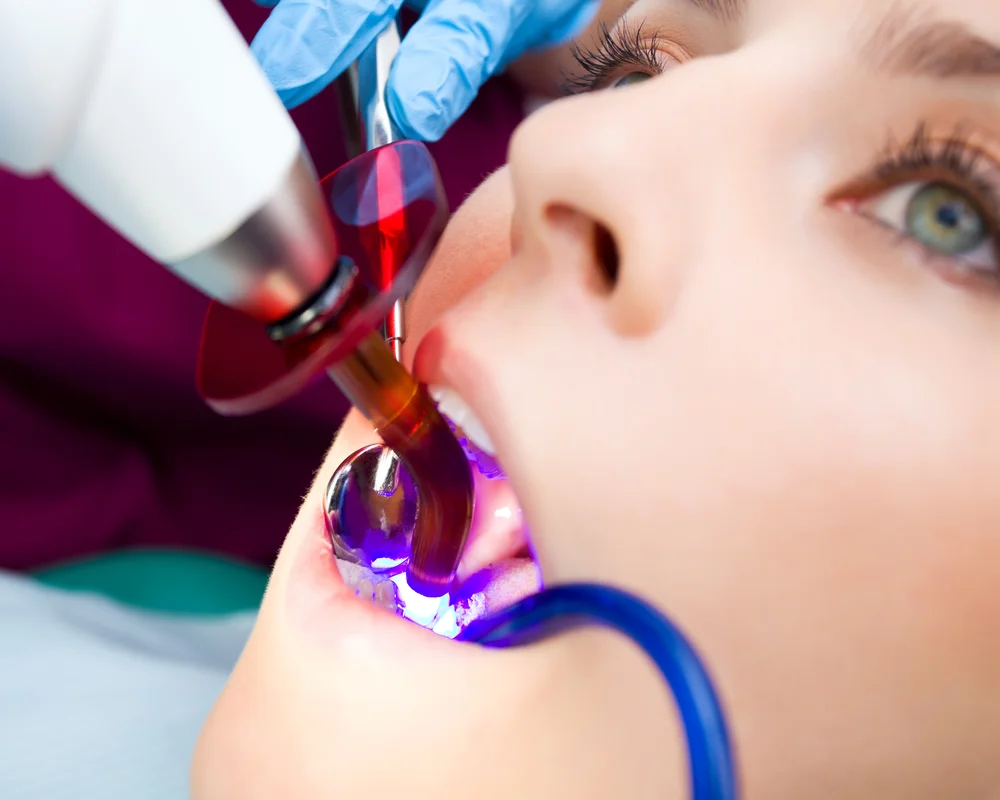
Not every cosmetic concern requires a laboratory, multiple appointments, or a significant investment. For many patients, dental bonding offers a fast, effective, and surprisingly affordable path to a better-looking smile — often in a single visit, with no injections and no downtime. At MiNa Family Dentistry, Dr. Neda Kadivar applies composite resin bonding with the kind of precision and artistic judgment that comes from over 20 years of cosmetic dentistry experience, producing results that look seamlessly natural.
What Is Dental Bonding?
Dental bonding is a cosmetic and restorative procedure in which a tooth-coloured composite resin is applied directly to the surface of a tooth, shaped by the dentist, hardened with a UV curing light, and then polished to a smooth finish. Unlike porcelain veneers, which are fabricated in a dental laboratory and bonded to teeth as prefabricated shells, composite bonding is done entirely in the dental chair. There is no lab fabrication, no waiting period, and in most cases no need for local anaesthetic.
The composite resin used in bonding is the same material used for white tooth-coloured fillings. It is available in a wide range of shades, allowing Dr. Kadivar to match the colour of adjacent teeth so precisely that the repaired tooth blends in completely.
What Can Dental Bonding Fix?
Dental bonding is most frequently used for chipped or cracked teeth — building up the missing portion so the tooth looks whole again. It can also narrow or close a gap between front teeth by adding composite to the sides of the adjacent teeth. Teeth that appear too short or uneven relative to their neighbours can be lengthened with bonding to create a more balanced smile line. Surface staining that does not respond to whitening can be covered with a thin layer of composite matched to the desired shade. Unusually narrow, pointed, or irregular teeth can be given a more natural and proportionate shape. When gum recession has exposed the root of a tooth, bonding can cover the exposed area, improving both appearance and sensitivity.
Bonding is not suited to every cosmetic concern. Large structural damage, severely crowded teeth, or discolouration across many teeth is better addressed with porcelain veneers, orthodontics, or teeth whitening. During your consultation, Dr. Kadivar will tell you honestly whether bonding is the right tool for your situation.
The Dental Bonding Process
One of the reasons dental bonding in Thornhill is so appealing to patients is its simplicity. The entire process is completed at a single appointment with no laboratory waiting period.
Step 1: Shade Selection
Before any work begins, Dr. Kadivar selects the composite resin shade that most closely matches your surrounding tooth structure. This step is done in natural light when possible, because shade perception is affected by the type of lighting in the room.
Step 2: Surface Preparation
The surface of the tooth is lightly etched with a mild conditioning liquid. This creates a slightly rough texture that allows the bonding agent to grip the tooth firmly. In most cases, no enamel is removed and no anaesthetic is needed. If the bonding is covering a chip near the gum line or a sensitive area, a small amount of local anaesthetic may be offered.
Step 3: Composite Application and Sculpting
The composite resin is applied in layers, each one cured briefly with the UV light before the next is added. This layering technique allows Dr. Kadivar to build up the tooth shape with accuracy and create subtle variations in translucency that make the restoration look natural. The shaping and sculpting phase is where artistry matters most — a well-sculpted bonding job is indistinguishable from the surrounding tooth.
Step 4: Curing and Polishing
Once the composite is shaped to the desired contour, the final curing hardens it fully. The bonded area is then polished with progressive-grit discs to match the gloss level of adjacent enamel. You leave the appointment with a completed, polished result — no temporaries, no return visit required for a simple bonding case.
Dental Bonding vs Porcelain Veneers: Which Do You Need?
This is the most common question patients ask when considering cosmetic work on their front teeth. The answer depends on your specific situation, goals, and budget. Patients with a single chipped tooth and healthy adjacent teeth are usually excellent bonding candidates. Patients who want to change the colour, shape, and length of six front teeth are better served by veneers.
| Factor | Dental Bonding | Porcelain Veneers |
|---|---|---|
| Treatment time | 30-60 minutes, single visit | 2-3 appointments over 2-4 weeks |
| Cost per tooth | $300-$600 | $1,200-$2,500 |
| Durability | 5-10 years | 10-20+ years |
| Stain resistance | Moderate (can stain over time) | Excellent |
| Enamel removed | Minimal to none | Yes, approximately 0.5 mm |
| Reversibility | Partially reversible | Not reversible |
| Best for | Minor repairs, single tooth, preview, budget-conscious | Comprehensive transformation, multiple teeth, long-term result |
| Insurance coverage | Partial (if tooth is damaged) | Generally not covered |
Bonding as a Preview for Veneers
One smart use of dental bonding that Dr. Kadivar sometimes recommends is using it as a low-commitment preview. If you are considering porcelain veneers but want to see how a different tooth shape or added length will look and feel before making an irreversible decision, bonding can be applied first to show you the direction. Since bonding involves minimal or no enamel removal, it can be adjusted or replaced later when you are ready to move forward with veneers.
This preview approach is especially useful for patients who are unsure about going from their current tooth shape to something significantly different — longer, more squared, narrower gaps. Seeing it on your own teeth, in your own environment, for several weeks gives you much better information than looking at a digital mock-up.
How Long Does Dental Bonding Last?
With good care, composite bonding typically lasts 5 to 10 years before it needs to be touched up or replaced. The longevity depends on location — front teeth used for biting experience more stress. Habits like biting fingernails, chewing ice, or grinding will shorten the lifespan significantly. Diet also plays a role, as coffee, red wine, and tea stain composite resin more readily than natural enamel or porcelain.
The good news is that bonding is repairable. Unlike porcelain, which must be fully replaced if it chips, composite can be patched at a subsequent appointment. Your regular hygiene visits also include professional polishing that restores the surface lustre and removes surface staining before it becomes deeply embedded.
Caring for Bonded Teeth
Bonded teeth do not require special care, but a few habits will protect your investment. Brush twice daily with a soft-bristle toothbrush and a non-abrasive toothpaste — abrasive whitening toothpastes can dull the polish on composite over time. Avoid biting hard objects such as ice, pencils, hard candies, and fingernails.
In the first 48 hours after bonding, avoid heavily staining foods and drinks while the composite resin is still curing to its final hardness and colour stability. If you grind your teeth, let Dr. Kadivar know. A night guard will protect bonding just as it protects natural teeth and veneers. Book your regular hygiene appointments every 6 months — professional polishing removes surface staining and keeps your bonding looking its best.
Cost of Dental Bonding in Thornhill
Dental bonding typically costs $300 to $600 per tooth at most practices in Ontario, though the exact fee depends on the size and complexity of the repair. For patients with a cracked or chipped tooth where there is a structural element to the repair, some insurance plans will cover a portion of the cost under a restorative benefit. Purely cosmetic bonding — such as closing a gap or adding length to a tooth for appearance — is generally not covered.
Our team will always review your insurance coverage and provide a clear fee estimate before beginning any treatment.
Watch & Learn
Further Reading
ADA: 8 Ways to Improve Your SmileRelated Services
Frequently Asked Questions
Ready to get started?
MiNa Family Dentistry
7191 Yonge St Unit 205, Thornhill, ON L3T 0C4
(289) 597-7191
Mon–Thu 9:00 AM–6:00 PM | Fri 9:00 AM–3:00 PM