

Dental Implant vs Root Canal: Save the Tooth or Replace It?
When a tooth is badly decayed, cracked, or infected, you may be faced with a choice: try to save the natural tooth with a root canal, or remove it and replace it with a dental implant. It is an important decision, and the right answer is not the same for everyone.
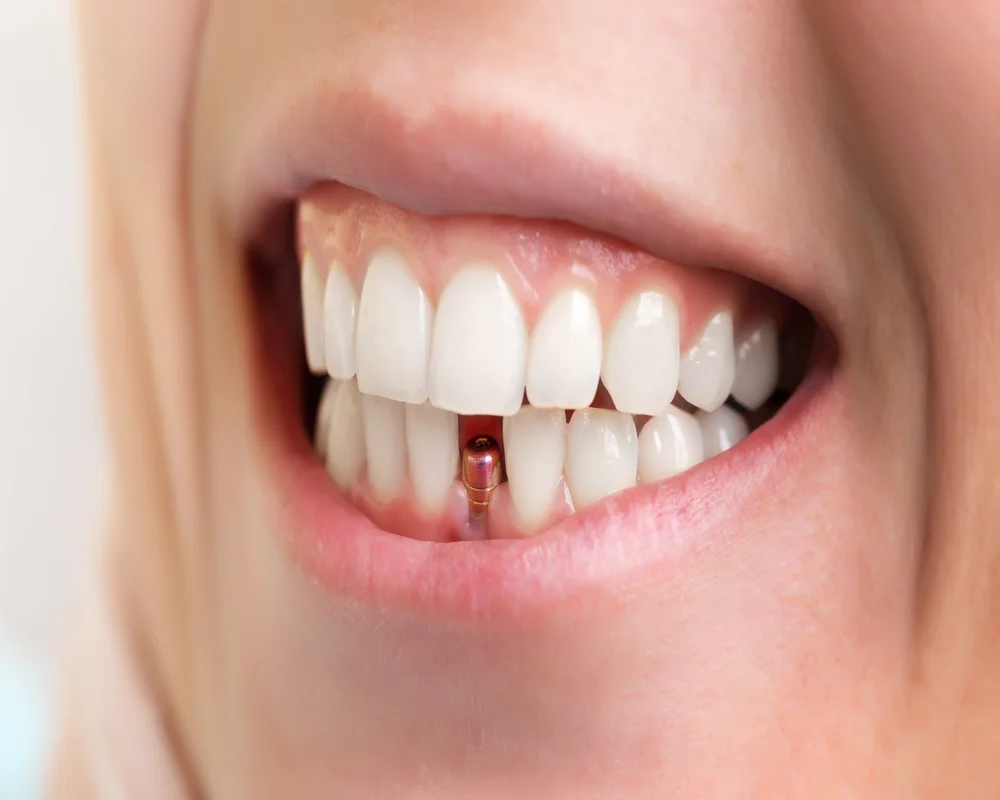
This guide explains what each option involves, the situations where each tends to make sense, and the questions to ask your dentist. It is general information; the best choice for your tooth depends on an examination. For the wider picture, see our overview of dental implants in Thornhill.
What Each Option Involves
A root canal treats the inside of a natural tooth. When the soft tissue (pulp) within a tooth becomes infected or inflamed, it is removed, the space is cleaned and sealed, and the tooth is usually protected with a crown. The natural tooth stays in place.
A dental implant is a different approach: the tooth is removed and replaced with a titanium post in the jawbone, topped by a crown. One option keeps your natural tooth; the other replaces it entirely. That distinction is at the heart of the decision.
The Guiding Principle: Save the Tooth If You Can
Dentistry generally favours keeping a natural tooth when it can be saved reliably. A natural tooth, with its ligament and connection to the bone, has qualities that even a good implant does not fully replicate, so a root canal is often the first choice when the tooth has a reasonable outlook.
That said, saving a tooth is only worthwhile if it is likely to last. When a tooth is too damaged to restore predictably, replacing it with an implant can be the more sensible long-term route than repeatedly treating a tooth that keeps causing trouble.
When a Root Canal Makes Sense
A root canal is often the better option when the tooth structure is largely intact and can be restored, when the surrounding gum and bone are healthy, and when the infection can be resolved. In these cases, keeping your own tooth is usually preferable.
Root canals have a strong track record, and a well-restored tooth can serve for many years. If your dentist believes the tooth can be saved reliably, that is often the route worth taking first.
When an Implant May Be the Better Choice
An implant may make more sense when a tooth is too broken down, cracked below the gum, or has failed previous treatment, so that saving it is unlikely to succeed. In those situations, spending time and money on a tooth with a poor outlook can lead to more treatment later.
Replacing the tooth with an implant provides a fresh, stable foundation. Our step-by-step guide to the dental implant procedure explains what that involves, and our implant cost guide covers what affects the price.
Comparing the Two
Both options aim to solve the same problem — a painful or failing tooth — in different ways. This table gives a general sense of how they compare.
| Factor | Root canal | Dental implant |
|---|---|---|
| Keeps your natural tooth? | Yes | No — replaces it |
| Treatment time | Usually shorter | Several months |
| Involves surgery? | No | Yes |
| Best when | Tooth can be saved reliably | Tooth cannot be saved |
Cost and Time Considerations
A root canal and crown is often completed more quickly than an implant, which involves a healing period of several months. Costs vary with the specific tooth and treatment, so a meaningful comparison comes from an examination and estimate.
It is worth thinking beyond the immediate price to the likely outcome. Saving a tooth that has a good chance of lasting is usually good value; investing repeatedly in a tooth with a poor outlook may not be. Your dentist can help you weigh this up honestly.
Questions to Ask Your Dentist
Because the decision is individual, a few questions help you get clarity:
- Can this tooth be saved reliably, or is its outlook poor?
- If we do a root canal, how much healthy tooth is left to support a crown?
- What are the chances this tooth causes problems again?
- If we remove it, what would replacing it with an implant involve?
- What would you recommend if it were your tooth, and why?
It Is Not Always a Simple Either-Or
Although this decision is often framed as root canal versus implant, real life is rarely so clear-cut. A tooth might be saved now with a root canal and, if it causes trouble years later, be replaced with an implant at that point. Choosing to try saving it first does not close the door on an implant down the line.
Equally, if a tooth is clearly beyond saving, there is little value in a root canal that is unlikely to hold. The aim is not to favour one treatment on principle, but to match the treatment to the tooth in front of you, and to your circumstances.
This is why an honest assessment matters more than a general rule. Two people with a similar-looking tooth can end up with different, equally sensible recommendations, because the details of each tooth and each person differ. A good dentist explains that reasoning rather than simply issuing a verdict.
Get a Clear Recommendation at MiNa
At MiNa Family Dentistry, root canal and restorative care is provided by Dr. Neda Kadivar, while implant surgery is led by Dr. Mehdi Adibrad, a periodontist and dental surgeon with an MSc in Periodontics and Implantology. Having both under one roof means you can compare options with the same team.
To have your tooth assessed, request an appointment or call (289) 597-7191. MiNa Family Dentistry is at 7191 Yonge St, Unit 205, Thornhill, ON L3T 0C4. This page is general information and is not a substitute for a personal examination.
Further Reading
Canadian Dental Association: oral health informationFrequently Asked Questions
Ready to get started?
MiNa Family Dentistry
7191 Yonge St Unit 205, Thornhill, ON L3T 0C4
(289) 597-7191
Mon–Thu 9:00 AM–6:00 PM | Fri 9:00 AM–3:00 PM