

Dental Implant vs Bridge: Which Is Right for a Missing Tooth?
When you lose a tooth, two of the most common ways to replace it are a dental implant and a dental bridge. Both can fill the gap and restore your smile, but they work in very different ways, and the better choice depends on your mouth, your priorities, and your budget.
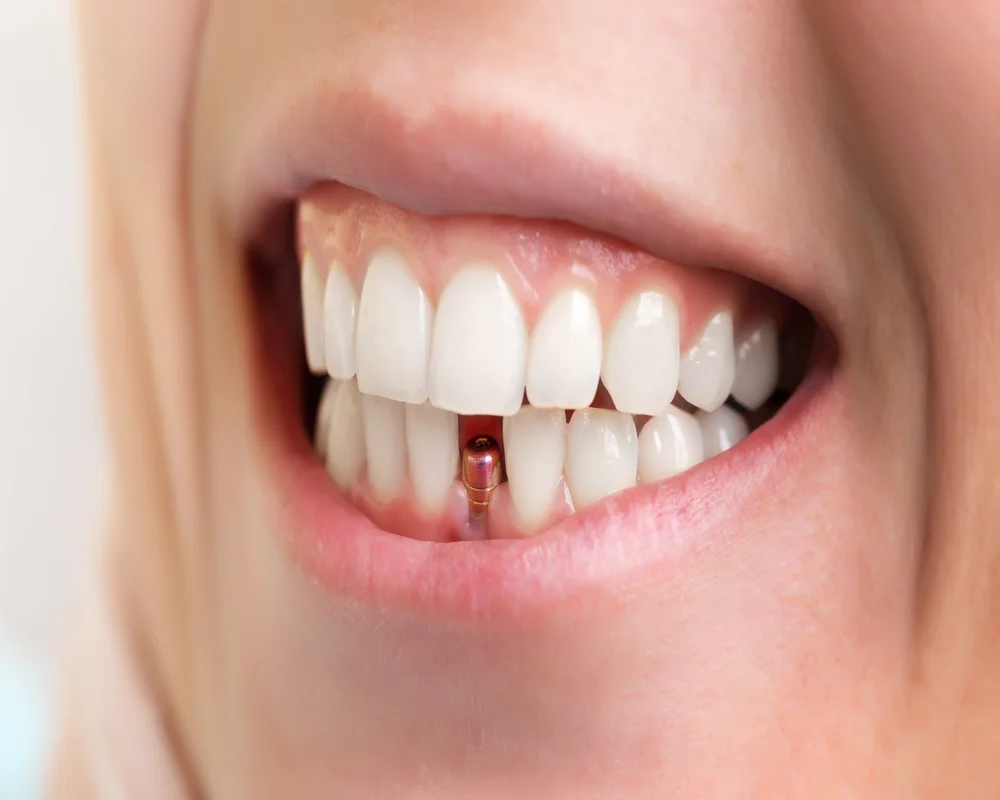
This guide compares implants and bridges side by side so you can walk into a consultation with clear questions. If you want the wider picture first, see our overview of dental implants in Thornhill. Whichever route suits you, the decision should follow an examination, because only your dentist can assess the bone and teeth involved.
What Each Option Actually Is
A dental implant replaces the root of a missing tooth with a small titanium post placed into the jawbone. Once it has bonded to the bone, a crown is fitted on top. It stands on its own and does not rely on the neighbouring teeth.
A traditional bridge works differently. The replacement tooth is held in place by crowns fitted over the healthy teeth on either side of the gap. Those supporting teeth have to be reshaped so the crowns can sit over them, which permanently changes them.
Side-by-Side Comparison
Every mouth is different, but this table gives a general sense of how the two options compare on the factors patients ask about most.
| Factor | Dental implant | Dental bridge |
|---|---|---|
| Affects neighbouring teeth? | No | Yes — they are reshaped |
| Helps preserve jawbone? | Yes, in that area | No |
| Typical upfront cost | Higher | Lower |
| Treatment time | Several months | A few weeks |
| How it is cleaned | Like a natural tooth | Special flossing under the bridge |
Cost and Time: The Honest Trade-Off
A bridge usually costs less upfront and is finished faster, because there is no healing period for bone to bond to an implant. For some people, that makes a bridge the practical choice.
An implant often costs more at the start and takes longer, but it does not require altering healthy teeth and it helps keep the jawbone stimulated. Over a long time frame the value can look different, though nothing is guaranteed. For a full breakdown of what drives price, see our guide to dental implant cost.
Impact on Your Other Teeth
This is often the deciding factor. A bridge relies on grinding down the two neighbouring teeth, even if they are perfectly healthy. If those teeth ever develop problems, the whole bridge can be affected.
An implant leaves the surrounding teeth untouched, which many patients prefer. If the teeth beside the gap already have large fillings or crowns, however, a bridge may make more sense, since those teeth are already restored.
Which Might Suit You?
There is no single right answer. A dental implant may be worth considering if:
- The teeth beside the gap are healthy and you would rather not alter them.
- You want to help preserve the jawbone where the tooth is missing.
- You are comfortable with a longer treatment timeline.
When a Bridge May Be the Better Fit
A bridge can be a sensible option when the neighbouring teeth already need crowns, when you prefer a shorter treatment time, or when there is not enough jawbone for an implant and you would rather not have grafting. Your dentist can also compare a bridge with an implant-supported bridge, which anchors to implants instead of natural teeth.
Health factors matter too. Conditions that affect healing, or habits such as smoking, can influence how well an implant integrates, and your dentist will factor these in when talking through your options.
Longevity and Long-Term Value
Cost is not only about the price on the day. It is also worth thinking about how each option tends to perform over the years, because that affects the real value of your decision.
A well-cared-for implant can last many years, and because it does not rely on the neighbouring teeth, a problem in one area does not automatically threaten the others. A bridge depends on its supporting teeth: if one of them develops decay or a crack under the crown, the whole bridge may need attention. This does not make a bridge a poor choice, but it does explain why some patients see an implant as an investment that can pay off over time.
Both options need ongoing care and regular check-ups, and neither is guaranteed to last forever. What matters is choosing the one that fits your mouth and your circumstances, then maintaining it well. Our guide on how long dental implants last and what affects them goes into more detail on the maintenance side.
How the Treatment Journeys Compare
The day-to-day experience of getting each option is quite different, and that is worth factoring into your decision alongside cost and longevity.
With a bridge, treatment is relatively quick. After the neighbouring teeth are prepared, impressions or a scan are taken, and the finished bridge is usually fitted within a few weeks. There is no surgery and no waiting for bone to heal, which some patients find appealing.
An implant is a staged process. It begins with a consultation and imaging, then the implant is placed during a planned procedure under local anaesthetic. The bone then needs several months to bond with the implant before the final crown is fitted. A temporary tooth can often be provided in the meantime, so you are not left with a visible gap. Our step-by-step guide to the dental implant procedure walks through each stage in detail.
Neither pathway is inherently better; they simply suit different priorities. If a shorter timeline matters most, a bridge has the edge. If keeping the neighbouring teeth untouched and preserving bone matters most, the longer implant journey may be worth it.
Getting a Clear Recommendation
The most useful next step is an examination where the specific teeth and bone can be assessed. At MiNa Family Dentistry, implant surgery is led by Dr. Mehdi Adibrad, a periodontist and dental surgeon with an MSc in Periodontics and Implantology, with restorative care from Dr. Neda Kadivar.
You can request an implant consultation or call (289) 597-7191. MiNa Family Dentistry is at 7191 Yonge St, Unit 205, Thornhill, ON L3T 0C4, and also sees patients considering dental implants near North York. This page is general information, not a substitute for a personal examination.
Further Reading
Canadian Dental Association: oral health informationFrequently Asked Questions
Ready to get started?
MiNa Family Dentistry
7191 Yonge St Unit 205, Thornhill, ON L3T 0C4
(289) 597-7191
Mon–Thu 9:00 AM–6:00 PM | Fri 9:00 AM–3:00 PM