

The Dental Implant Procedure: What to Expect, Step by Step
If you are considering a dental implant, it helps to know what the treatment actually involves before you sit in the chair. Implants are not done in a single afternoon. The process unfolds in stages over several months, and understanding those stages makes the whole thing far less daunting.
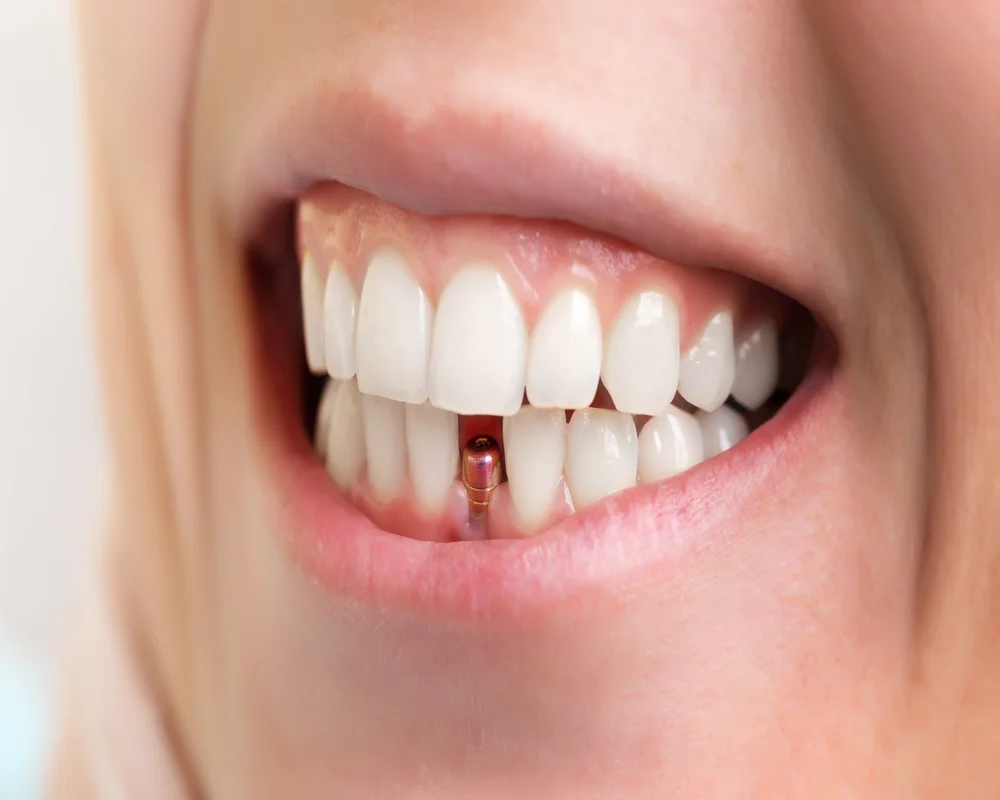
This guide walks through each step of a typical dental implant journey, from your first consultation to the day your new tooth is finished. Every case is different, so think of this as a map rather than a fixed schedule. Your own plan is set out after an examination, and you can always ask about dental implants in Thornhill at MiNa Family Dentistry if you want the details for your situation.
Step 1: Consultation and Assessment
Everything starts with a consultation. This is a conversation and an examination, not a commitment to surgery. Your dentist looks at the gap, checks the health of the surrounding gums and teeth, and reviews your medical history, including any medications and conditions that could affect healing.
The goal at this stage is simple: to work out whether an implant is a sensible option for you, and what would need to happen to make it successful. You will also have time to ask questions and talk through alternatives such as a bridge or denture.
Step 2: Imaging and Treatment Planning
To plan an implant safely, your dentist needs to see what is happening below the gumline. That usually means digital X-rays and, in many cases, a 3D cone beam scan. These images show the height and width of the jawbone and the position of nearby nerves and the sinuses.
With that information, your dentist maps out where the implant should go and whether any preparation is needed first. You then receive a written treatment plan and estimate before anything begins, so there are no surprises. For how those factors shape the price, see our guide to dental implant cost.
Step 3: Any Preparation Before Placement
Not everyone needs this step, but some patients do. If the tooth is still in place and cannot be saved, it may need to be removed first. If the jawbone has shrunk where a tooth has been missing for a while, your dentist may recommend bone grafting before implant placement to rebuild a solid foundation.
Active gum disease is also treated before an implant is placed, because healthy gums and bone give the implant the best chance of integrating well. Any preparation adds time to the overall plan, but it is done for a reason: a stable base is what helps an implant last.
Step 4: Placing the Implant
The placement itself is a planned surgical procedure carried out under local anaesthetic, so the area is fully numb. Your dentist positions the small titanium post into the jawbone in the spot identified during planning, then closes the gum over or around it.
Most patients say the experience is more comfortable than they expected, often comparing it to having a tooth removed. Some swelling or tenderness in the following days is normal and is usually managed with over-the-counter pain relief. Your dentist will give you clear aftercare instructions for your specific case.
Step 5: Healing and Osseointegration
This is the part that cannot be rushed. Over the following weeks and months, the bone grows around and bonds to the implant in a process called osseointegration. That bond is what gives an implant its stability and lets it handle the forces of chewing.
Healing time varies from person to person and often spans several months. During this period you can usually eat, speak, and go about your day normally. In some cases a temporary tooth is placed so you are not left with a visible gap while the implant settles.
Step 6: Abutment and Final Restoration
Once your dentist confirms the implant has integrated well, the next stage adds the parts you can see. A small connector called an abutment is attached to the implant, and impressions or a digital scan are taken so your restoration can be made to fit.
The final restoration is then fitted. For one missing tooth that is usually a single crown; for several missing teeth it might be a single-tooth implant repeated, a bridge, or implant-supported dentures. Your dentist checks the fit, bite, and appearance so it works comfortably alongside your natural teeth.
Step 7: Maintenance and Follow-Up
An implant does not get cavities, but the gum and bone around it still need care. Cleaning around the implant every day and keeping up with regular check-ups and hygiene visits both help protect your investment over the long term.
Your dentist will let you know how often to come in. Looking after an implant is not complicated, but it does matter, because good maintenance is one of the biggest factors in how long an implant lasts. As with any treatment, individual results and timelines vary.
How Long Does the Whole Process Take?
Because the bone needs time to bond with the implant, a typical implant journey spans several months from placement to final restoration. Cases that need an extraction, bone grafting, or gum treatment first take longer, while more straightforward cases can move more quickly.
Your dentist will give you a realistic timeline once your situation has been assessed. The steps are the same for most patients; it is the pace that changes from person to person.
Who Performs Implant Treatment at MiNa Family Dentistry
At MiNa Family Dentistry, the surgical side of implant treatment is led by Dr. Mehdi Adibrad, a periodontist and dental surgeon with an MSc in Periodontics and Implantology. He handles placement, gum procedures, and bone grafting in-house, so many cases do not need an outside referral.
General and restorative care is provided alongside by Dr. Neda Kadivar, a general and family dentist. Having both under one roof means the surgical and restorative stages of your treatment stay coordinated from start to finish.
Booking a Consultation
The clearest way to understand your own implant journey is to have it explained against your actual situation. You can request an implant consultation online, or call MiNa Family Dentistry at (289) 597-7191. Patients visiting from nearby can also read about dental implants near North York.
MiNa Family Dentistry is at 7191 Yonge St, Unit 205, Thornhill, ON L3T 0C4. This page is general information and is not a substitute for a personal examination; your dentist will determine what is right for you.
Watch & Learn
Further Reading
Canadian Dental Association: oral health informationFrequently Asked Questions
Ready to get started?
MiNa Family Dentistry
7191 Yonge St Unit 205, Thornhill, ON L3T 0C4
(289) 597-7191
Mon–Thu 9:00 AM–6:00 PM | Fri 9:00 AM–3:00 PM