

Implant-Supported Bridges: Replacing a Row of Missing Teeth
When you are missing several teeth in a row, an implant-supported bridge is one of the most stable ways to replace them. Instead of resting on the gums or leaning on the teeth on either side, the bridge is anchored to implants set into the jawbone, so it stays firmly in place.
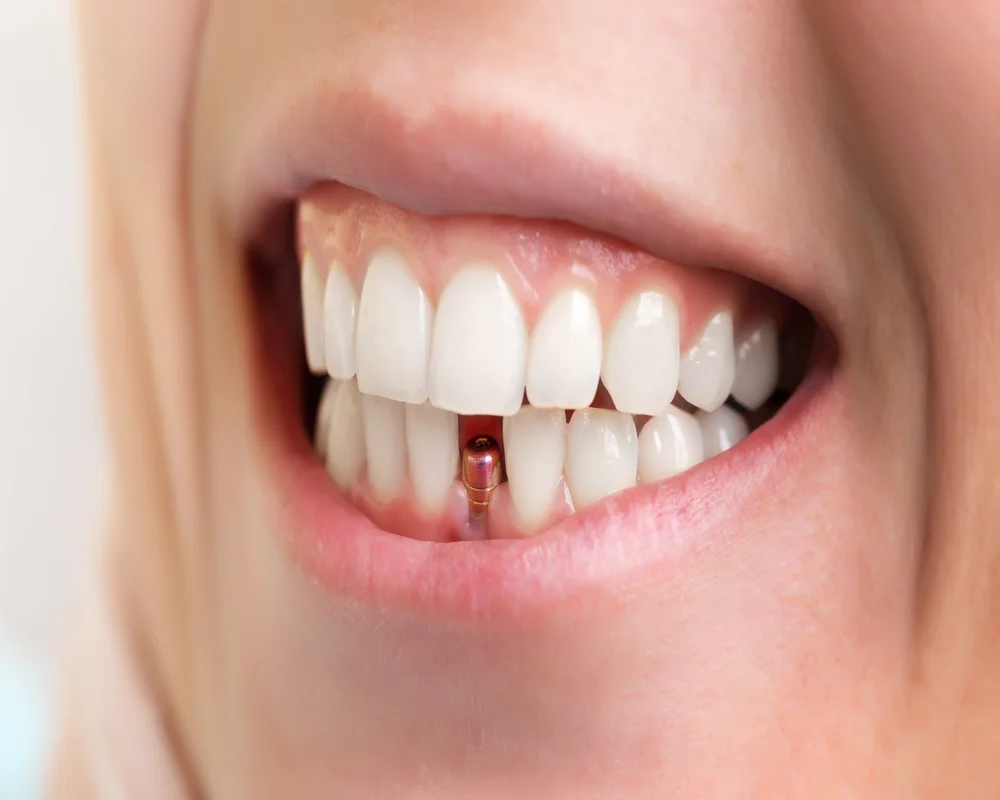
This page explains what an implant-supported bridge is, how it differs from a traditional bridge, and when it might be the right choice. For the wider set of choices, see our overview of dental implants in Thornhill and how it compares with replacing teeth using multiple dental implants.
What Is an Implant-Supported Bridge?
A dental bridge is a set of joined replacement teeth used to fill a gap where several teeth in a row are missing. A traditional bridge is held in place by crowns on the natural teeth on either side of the gap. An implant-supported bridge is different: it is held by two or more implants placed in the jaw, so the natural teeth are left alone.
Because the support comes from the bone rather than neighbouring teeth, the bridge is stable and helps preserve the jaw in the area where teeth are missing.
Implant Bridge vs. Traditional Bridge
The biggest difference is what carries the load. A traditional bridge requires reshaping the healthy teeth beside the gap so they can hold crowns. An implant-supported bridge avoids that, which many patients prefer.
| Feature | Implant-supported bridge | Traditional bridge |
|---|---|---|
| Support comes from | Dental implants in the jaw | Crowns on neighbouring teeth |
| Neighbouring teeth reshaped? | No | Yes |
| Helps preserve jawbone? | Yes, in the implant area | No |
| Typical upfront cost | Higher | Lower |
Implant Bridge vs. Individual Implants
For a row of missing teeth, you could also place an implant for each tooth. A bridge usually uses fewer implants to span the same gap, which can reduce the number of surgical sites and the overall cost compared with an implant for every tooth.
The trade-off is that the teeth are joined rather than separate. Your dentist will help you weigh these options; some patients are better suited to single-tooth implants or an implant-supported denture depending on how many teeth are involved.
Who May Be a Candidate
An implant-supported bridge suits patients missing several teeth in a row who have enough healthy jawbone to support the anchoring implants. Candidacy is confirmed after an examination and imaging.
If bone has been lost in the area, your dentist may discuss bone grafting before implant placement. Gum health, smoking, and general health are also considered, since they can affect how well the implants heal. Because the bridge relies on its anchoring implants, having a healthy, stable foundation matters, and any active gum disease is usually treated before implant treatment begins.
What to Expect During Treatment
The stages follow the usual implant pathway: consultation and imaging, any preparation, placement of the anchoring implants, a healing period while the bone bonds to them, and then fitting of the bridge. Our guide to the dental implant procedure covers each stage in detail.
A temporary solution may be provided while the implants heal, so you are not left with a visible gap. Your dentist will set out the timeline that fits your case.
Cost and Insurance Considerations
The cost of an implant-supported bridge depends on how many implants are needed, the materials used for the bridge, and whether any preparation such as grafting is required. Using implants to anchor a bridge can be more economical than placing an individual implant for every missing tooth.
See our guide to the factors behind dental implant cost for a fuller explanation. Insurance coverage varies, so bring your plan details to your consultation and confirm any public-program coverage directly with your provider.
Caring for an Implant-Supported Bridge
An implant bridge is cleaned a little differently from natural teeth because the replacement teeth are joined. Your dentist or hygienist will show you how to clean beneath and around the bridge, often using floss threaders or small interdental brushes.
Regular check-ups and hygiene visits help keep the gums and supporting bone healthy. As with any implant treatment, good maintenance supports a lasting result, though individual outcomes vary.
Benefits of Choosing an Implant-Supported Bridge
For the right patient, an implant-supported bridge offers a combination of stability and convenience that other options do not always match. Because it is anchored to the jaw rather than the surrounding teeth, it behaves much like a set of natural teeth for everyday eating and speaking.
Patients often value that this approach:
- Leaves the healthy neighbouring teeth intact, rather than reshaping them for crowns.
- Stays firmly in place, so there is no slipping or need for adhesive.
- Helps preserve the jawbone in the area where the implants are placed.
- Restores chewing comfort and a natural-looking row of teeth.
- Is fixed rather than removable, so it is cared for much like your own teeth.
How Long Does an Implant-Supported Bridge Last?
There are two parts to think about: the implants and the bridge they support. Once the implants have integrated with the bone, they can remain stable for many years, provided the surrounding gum and bone stay healthy. The bridge portion sits under daily wear and, like any restoration, may eventually need repair or replacement over a long enough timeframe.
How long the result lasts depends heavily on care. Cleaning around and beneath the bridge every day, attending regular check-ups, and treating any gum problems early all support a durable outcome. Habits such as smoking and conditions that affect healing can shorten the lifespan, which is why your dentist reviews these during planning. Individual results vary, and your dentist can give you a realistic idea for your own situation.
Your Dentists at MiNa Family Dentistry
Implant surgery at MiNa is led by Dr. Mehdi Adibrad, a periodontist and dental surgeon with an MSc in Periodontics and Implantology, with restorative care provided by Dr. Neda Kadivar, a general and family dentist.
To find out whether an implant-supported bridge suits you, request an implant consultation or call (289) 597-7191. MiNa Family Dentistry is at 7191 Yonge St, Unit 205, Thornhill, ON L3T 0C4. This page is general information and is not a substitute for a personal examination.
Further Reading
Canadian Dental Association: oral health informationFrequently Asked Questions
Ready to get started?
MiNa Family Dentistry
7191 Yonge St Unit 205, Thornhill, ON L3T 0C4
(289) 597-7191
Mon–Thu 9:00 AM–6:00 PM | Fri 9:00 AM–3:00 PM