

Replacing Several Missing Teeth with Multiple Dental Implants
Missing more than one tooth is common, and it rarely feels the same as losing a single tooth. Gaps in different parts of the mouth can make chewing awkward, change how you speak, and leave you covering your smile. The good news is that you do not always need one implant for every missing tooth to get a stable, natural-looking result.
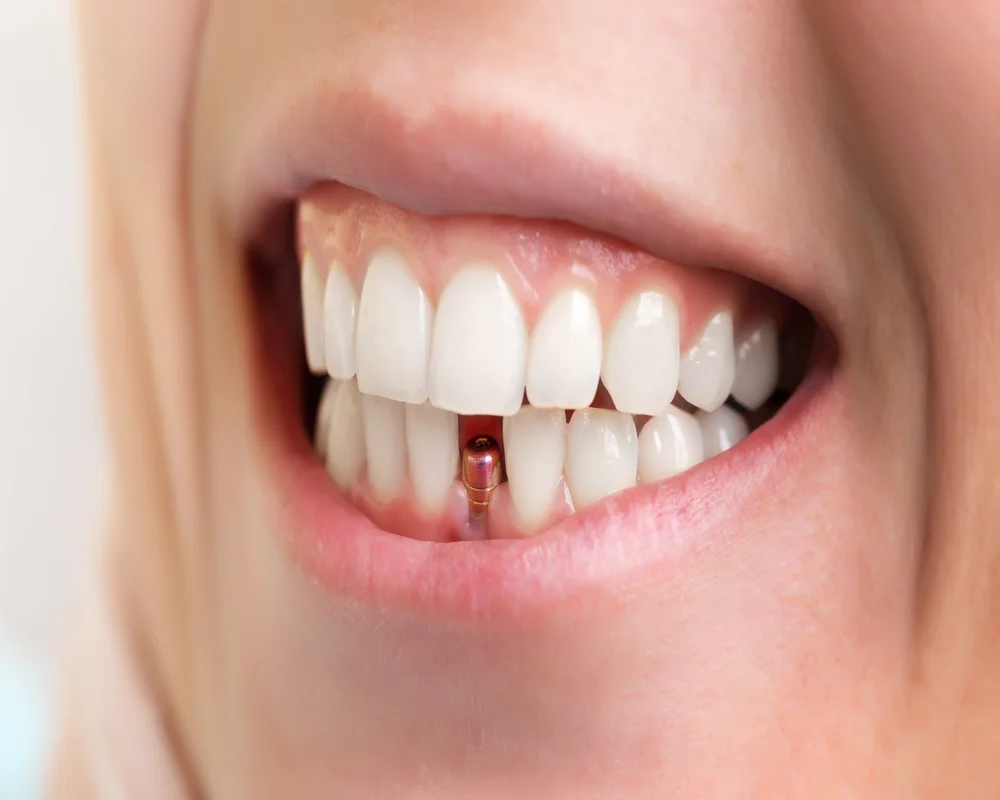
This page explains how multiple dental implants work, the different ways several teeth can be replaced, and how to tell which approach might suit you. If you want the bigger picture first, start with our overview of dental implants in Thornhill; if a single gap is your concern, see single-tooth implant options.
What 'Multiple Dental Implants' Actually Means
The phrase covers a few different situations. You might be missing several teeth spread around your mouth, a row of teeth next to each other, or most of an arch. Each of those calls for a slightly different plan, and the number of implants needed is not always one per tooth.
In many cases, a smaller number of well-placed implants can support several replacement teeth. Your dentist works out the most sensible arrangement after examining your mouth and reviewing images of the bone underneath.
Ways to Replace Several Missing Teeth
There is usually more than one route to a good outcome. The main options include:
- Individual implants — separate implants and crowns where teeth are missing in different areas, each standing on its own.
- An implant-supported bridge — two or more implants that anchor a row of replacement teeth, useful for consecutive gaps. Learn more about implant-supported bridges.
- Implant-supported dentures — a removable or fixed denture held firmly by implants, covered on our implant-supported dentures page.
- Full-arch treatment — a complete set of upper or lower teeth on a small number of implants, explained under full-arch implants.
Comparing the Main Options
Every option has trade-offs in cost, how it feels, and how it is cleaned. This table gives a general sense of how they compare; your dentist will explain what applies to your case.
| Option | Best for | Removable? | Keeps neighbouring teeth untouched? |
|---|---|---|---|
| Individual implants | Gaps in different areas | No | Yes |
| Implant-supported bridge | Several teeth in a row | No | Yes |
| Implant-supported denture | Many teeth missing | Often removable | Yes |
| Traditional partial denture | Budget-conscious cases | Yes | Sometimes rests on them |
Who May Be a Candidate
Many adults missing several teeth can be considered, but candidacy is decided after an examination. Your dentist looks at your gum health, the amount of jawbone available, and your medical history.
If some bone has been lost where teeth have been missing for a while, bone grafting before implant placement may be discussed to build a stronger base. Factors such as smoking and uncontrolled diabetes can affect healing, and your dentist will explain how they might shape your plan.
What the Process Looks Like
The stages are similar whether you are having one implant or several: consultation and imaging, any preparation such as extractions or grafting, implant placement, a healing period while the bone bonds to the implants, and then the final teeth. Our step-by-step guide to the dental implant procedure walks through each stage.
Replacing several teeth can sometimes be coordinated so fewer appointments are needed, but the bone still needs time to heal. Your dentist will set out a realistic timeline once your situation has been assessed.
Cost and Insurance Considerations
The cost of replacing several teeth depends on how many implants are used, the type of restoration, and whether any preparation is needed first. Fewer implants supporting more teeth can change the overall figure, which is one reason a plan is tailored to you.
For what drives the price and what tends to be included, see our guide to the factors behind dental implant cost. Insurance coverage varies between plans, so bring your details to your consultation and confirm any public-program coverage with your provider.
Caring for Multiple Implants
Cleaning matters just as much with several implants as with one. Daily cleaning around each implant and regular hygiene visits help protect the gum and bone that support them.
Your dentist and hygienist will show you how to clean between and around the replacement teeth, which can differ slightly depending on whether you have individual crowns, a bridge, or a denture. Good maintenance is one of the biggest factors in how long the result lasts, though individual outcomes vary.
Why It Is Worth Replacing Missing Teeth
It can be tempting to leave a gap alone, especially if it does not show when you smile. But missing teeth tend to cause knock-on effects over time, so replacing them is often about function and long-term health, not just appearance.
When a tooth is lost, the teeth on either side can gradually tilt or drift into the space, and the tooth above or below may begin to over-erupt because nothing is meeting it. This can change how your teeth come together when you bite, make certain areas harder to clean, and place uneven stress on the teeth that remain. The jawbone in the empty area also tends to shrink over time, because it is no longer being stimulated by a tooth root.
The more teeth that are missing, the more these effects can add up. People who are missing several teeth often start chewing mostly on one side, which can overload those teeth and the jaw joint. Over time, gaps can also make neighbouring teeth harder to keep healthy, which is part of why untreated tooth loss sometimes leads to further tooth loss.
Replacing several missing teeth with implants can help in a number of practical ways:
- More even, comfortable chewing rather than favouring one side of the mouth.
- Support for the remaining teeth, reducing the chance they drift out of position.
- Preservation of jawbone in the areas where implants are placed.
- Clearer speech and renewed confidence when smiling and eating.
Your Dentists at MiNa Family Dentistry
Implant surgery at MiNa is led by Dr. Mehdi Adibrad, a periodontist and dental surgeon with an MSc in Periodontics and Implantology. General and restorative care is provided alongside by Dr. Neda Kadivar, a general and family dentist.
To talk through your options, request an implant consultation or call (289) 597-7191. MiNa Family Dentistry is at 7191 Yonge St, Unit 205, Thornhill, ON L3T 0C4, and also welcomes patients considering dental implants near North York. This page is general information, not a substitute for an examination.
Further Reading
Canadian Dental Association: oral health informationFrequently Asked Questions
Ready to get started?
MiNa Family Dentistry
7191 Yonge St Unit 205, Thornhill, ON L3T 0C4
(289) 597-7191
Mon–Thu 9:00 AM–6:00 PM | Fri 9:00 AM–3:00 PM