

Dental Implants and Diabetes: Can You Still Have Treatment?
If you live with diabetes and are missing a tooth, you may have wondered whether dental implants are even an option for you. It is a fair question, and the honest answer is reassuring: many people with diabetes can have implants, but how well your blood sugar is managed plays an important role.
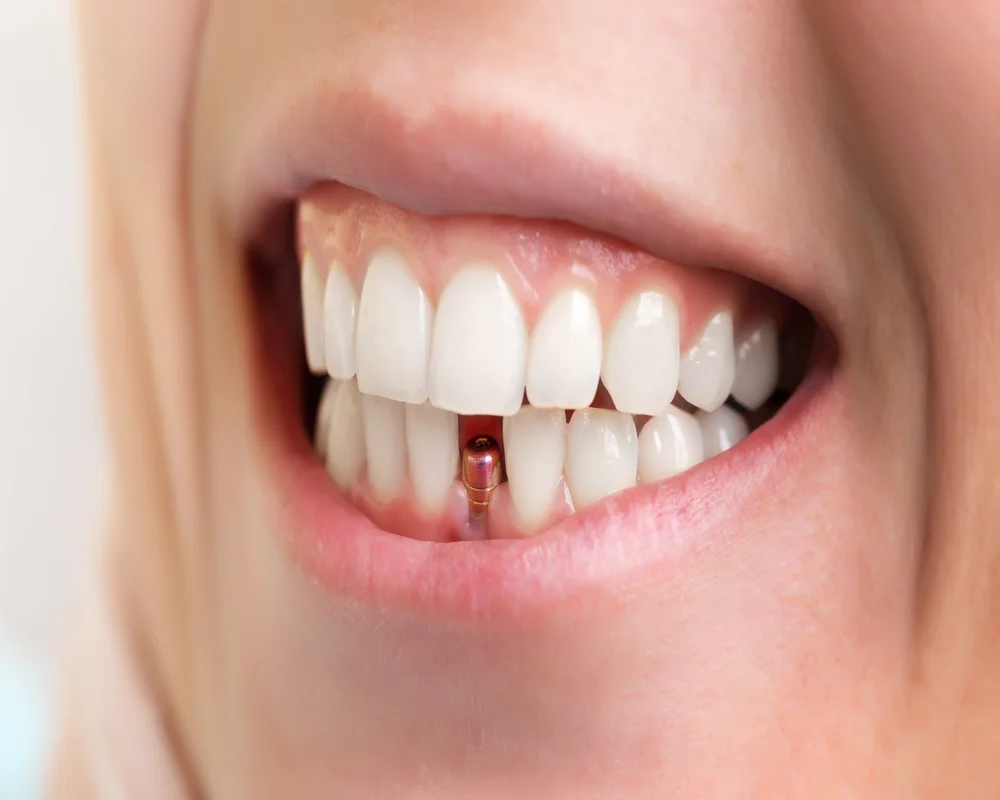
This guide explains how diabetes can affect implant treatment, what your dentist will want to know, and the steps that support healthy healing. It is general information only; whether implants are right for you is decided after an examination and a conversation about your health. You can also read our overview of dental implants in Thornhill.
Why Diabetes Matters for Implants
A dental implant succeeds when the bone heals around it and holds it firmly, a process called osseointegration. Diabetes can affect healing and the body's response to infection, which is why it is an important part of the picture when planning implant treatment. It can also influence the small blood vessels that supply the gums, and it is closely tied to gum health, so it touches several of the factors that help an implant settle well.
The key word, though, is control. Well-managed blood sugar changes the situation considerably compared with diabetes that is poorly controlled, and this is one of the first things your dentist will discuss with you. Many people are surprised to learn that their diabetes need not rule out implants at all once their management is taken into account.
Well-Controlled vs. Poorly-Controlled Diabetes
Research and clinical experience suggest that people whose diabetes is well managed can heal well after implant treatment, often similarly to people without diabetes. When blood sugar runs high and uncontrolled, healing can be slower and the risk of complications higher.
This does not mean implants are off the table if your levels are not perfect. It means your dentist will want to understand your overall management and may coordinate timing so that treatment happens when you are in a good position to heal.
What Your Dentist Will Ask About
Being open about your health helps your dentist plan safely. Expect a conversation that covers:
- How long you have had diabetes and whether it is type 1 or type 2.
- How your blood sugar has been running recently, including any HbA1c figures you know.
- Medications you take, including any that affect bleeding or healing.
- Other conditions, such as gum disease, that can interact with diabetes.
Gum Health and Diabetes
Diabetes and gum disease are closely linked, and gum health matters a great deal for implants. Active gum disease is usually treated before an implant is placed, because healthy gums and bone give the implant the best chance of integrating.
If you have had gum problems, your dentist may involve periodontal care as part of your plan. At MiNa Family Dentistry, that care is available in-house, which can make coordinating treatment more straightforward.
Supporting a Healthy Recovery
For patients with diabetes, a few practical steps support healing after implant placement. Keeping blood sugar well managed around the time of treatment, following your dentist's aftercare instructions closely, and keeping the area clean all help.
Not smoking is especially important, since smoking further slows healing. Your dentist will give you instructions tailored to your situation, and you should contact the clinic if you notice ongoing swelling, bleeding that does not settle, or other concerns.
After Treatment: Supporting Your Recovery
The days and weeks after implant placement are when good habits make the most difference for anyone, and a little extra attention helps when you have diabetes. A few practical steps support healthy healing:
- Keep your blood sugar well managed around the time of treatment and during healing.
- Follow your dentist's aftercare instructions closely, including any advice on diet and cleaning.
- Keep the area clean and gently maintain your oral hygiene as directed.
- Avoid smoking, which slows healing and raises the risk of complications.
- Attend your follow-up appointments so the team can check that healing is on track.
Planning Around Your Diabetes
Good implant treatment for a patient with diabetes is really about good planning. Your dentist may work with the timing of your treatment so that placement happens when your blood sugar is well managed, giving the bone the best conditions to heal.
Planning can also mean a slightly more cautious approach at each stage: careful attention to keeping the surgical area clean, clear aftercare instructions, and follow-up appointments to check that healing is progressing as expected. Some patients benefit from coordination between their dentist and their family doctor or diabetes care team, particularly if their diabetes is complex.
It helps to think of diabetes as one important factor among several, rather than a simple yes-or-no barrier. Bone quality, gum health, smoking, and other conditions all sit alongside it in the overall assessment. When these are considered together, many people with diabetes turn out to be reasonable candidates for implant treatment.
The most reliable way to know where you stand is a consultation. It gives your dentist the chance to review your health properly and gives you the chance to ask questions specific to your situation, rather than relying on general information.
Who Provides Implant Care at MiNa
Implant surgery at MiNa is led by Dr. Mehdi Adibrad, a periodontist and dental surgeon with an MSc in Periodontics and Implantology, working alongside Dr. Neda Kadivar for general and restorative care.
If you have diabetes and are considering implants, request a consultation or call (289) 597-7191, and bring details of your diabetes management. MiNa Family Dentistry is at 7191 Yonge St, Unit 205, Thornhill, ON L3T 0C4. For guidance on managing your overall oral health with diabetes, your physician and diabetes care team are also valuable partners. This page is general information, not medical advice.
Further Reading
Canadian Dental Association: oral health informationFrequently Asked Questions
Ready to get started?
MiNa Family Dentistry
7191 Yonge St Unit 205, Thornhill, ON L3T 0C4
(289) 597-7191
Mon–Thu 9:00 AM–6:00 PM | Fri 9:00 AM–3:00 PM