

Dental Implants and Smoking: How It Affects Your Treatment
If you smoke and are thinking about dental implants, you have probably heard that smoking and implants do not mix well. There is truth in that, but it does not automatically mean implants are off the table. What matters is understanding how smoking affects healing and what you can do to give treatment the best chance of success.
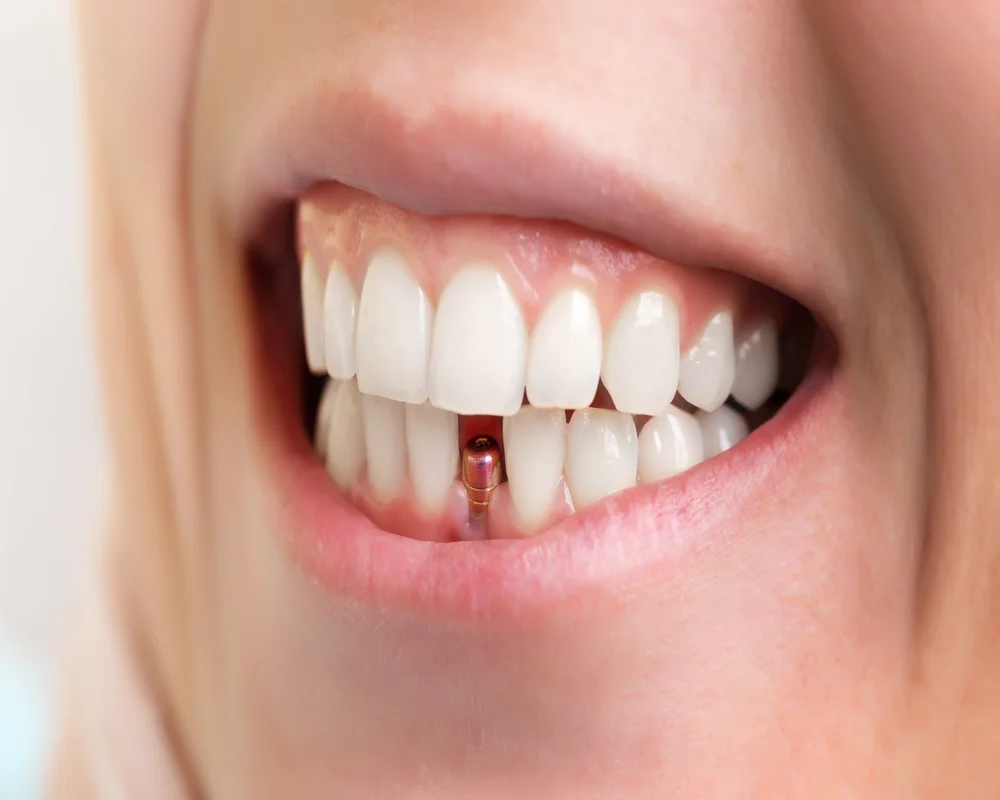
This guide explains why smoking matters for implants, what the risks actually are, and the practical steps that help. It is general information, and your own situation is best assessed in a consultation. For the wider picture, start with our overview of dental implants in Thornhill.
Why Smoking Affects Dental Implants
A dental implant relies on healing. After the titanium post is placed, the bone needs to grow around it and bond to it, and the gum needs to heal cleanly around the site. Smoking works against both of these processes.
The chemicals in tobacco smoke reduce blood flow to the gums and slow the delivery of oxygen and nutrients that healing tissue depends on. Smoking also affects the body's response to infection. Together, these effects are why smoking is linked to slower healing and a higher risk of problems around implants.
What the Risks Actually Are
It helps to be clear rather than alarmist. Smoking does not guarantee that an implant will fail, and many people who smoke do have successful implants. But research consistently shows that, as a group, smokers experience more implant complications than non-smokers.
The main concerns are slower and less predictable healing in the early weeks, a higher chance of infection at the surgical site, and, over the longer term, a greater risk of problems with the gum and bone that support the implant. Your dentist weighs these factors when planning your treatment.
Does This Mean I Cannot Have Implants?
Not necessarily. Being a smoker is a risk factor, not an automatic barrier. Your dentist will look at the whole picture — your gum health, bone, general health, and how much you smoke — and talk through what it means for you.
In many cases, implants are still possible; the conversation is about managing the added risk sensibly and being realistic about outcomes. Your dentist may also encourage steps that meaningfully improve your odds, which is where quitting, even temporarily, comes in.
Quitting or Pausing Around Treatment
One of the most useful things you can do is to stop smoking, or at least pause, around the time of your implant treatment. The period before and after surgery is when healing matters most, so giving your body a break from tobacco during this window can make a real difference.
Even if quitting for good feels out of reach right now, stopping for a stretch of weeks around surgery is a worthwhile goal. Your dentist, your family doctor, or a stop-smoking service can support you, and any reduction is better than none.
How Smoking Affects Long-Term Success
The early healing period is not the only consideration. Smoking is also linked to gum problems around implants over the longer term, a group of conditions that can threaten the tissues holding an implant in place.
This is why cleaning and regular check-ups matter even more for people who smoke. Keeping the area healthy and letting your dentist monitor it gives an implant its best chance of lasting. Our guides on how to clean dental implants and how long implants last go into more detail.
Vaping and Other Tobacco Products
Patients often ask whether vaping or other products are any better. The honest answer is that the evidence is still developing, and these products are not established as safe alternatives for implant healing.
Because the concern is largely about reduced blood flow, healing, and gum health, it is wise not to assume that switching products removes the risk. Your dentist can talk through your specific situation and what is known so far.
Giving Your Implant the Best Chance
If you smoke and want implants, a few steps stack the odds in your favour. Being honest with your dentist about how much you smoke is the starting point, because it lets them plan realistically.
- Stop or pause smoking around the time of surgery, ideally for several weeks before and after.
- Follow your aftercare instructions closely, especially in the first days.
- Keep the area meticulously clean as directed.
- Attend all follow-up and check-up appointments.
- Consider stop-smoking support — it benefits far more than your implant.
A Realistic, Encouraging View
It is easy to read about smoking and implants and come away discouraged, but the picture is more hopeful than it first appears. Plenty of people who smoke go on to have implants that serve them well for years, particularly when they and their dentist take the added risk seriously and plan around it.
The difference often comes down to the things within your control: how honestly you discuss your smoking, whether you can pause around surgery, and how well you keep the area clean afterwards. These are not guarantees, but they genuinely tilt the odds in your favour.
So rather than seeing smoking as a closed door, it is more accurate to see it as a reason to plan carefully and to think about what support might help you cut down. Your dentist would far rather have an open conversation than have you avoid treatment altogether, so it is always worth asking.
Talk It Through at MiNa Family Dentistry
Implant surgery at MiNa is led by Dr. Mehdi Adibrad, a periodontist and dental surgeon with an MSc in Periodontics and Implantology, alongside Dr. Neda Kadivar. If you smoke and are considering implants, an open conversation is the best place to start.
To arrange a consultation, request an appointment or call (289) 597-7191. MiNa Family Dentistry is at 7191 Yonge St, Unit 205, Thornhill, ON L3T 0C4. This page is general information and is not a substitute for a personal examination or medical advice.
Further Reading
Canadian Dental Association: oral health informationFrequently Asked Questions
Ready to get started?
MiNa Family Dentistry
7191 Yonge St Unit 205, Thornhill, ON L3T 0C4
(289) 597-7191
Mon–Thu 9:00 AM–6:00 PM | Fri 9:00 AM–3:00 PM