

How to Clean and Care for Your Dental Implants
A dental implant cannot get a cavity, but that does not mean it can be ignored. The gum and bone that hold your implant in place still need daily care, and good cleaning is one of the biggest factors in how long an implant lasts.
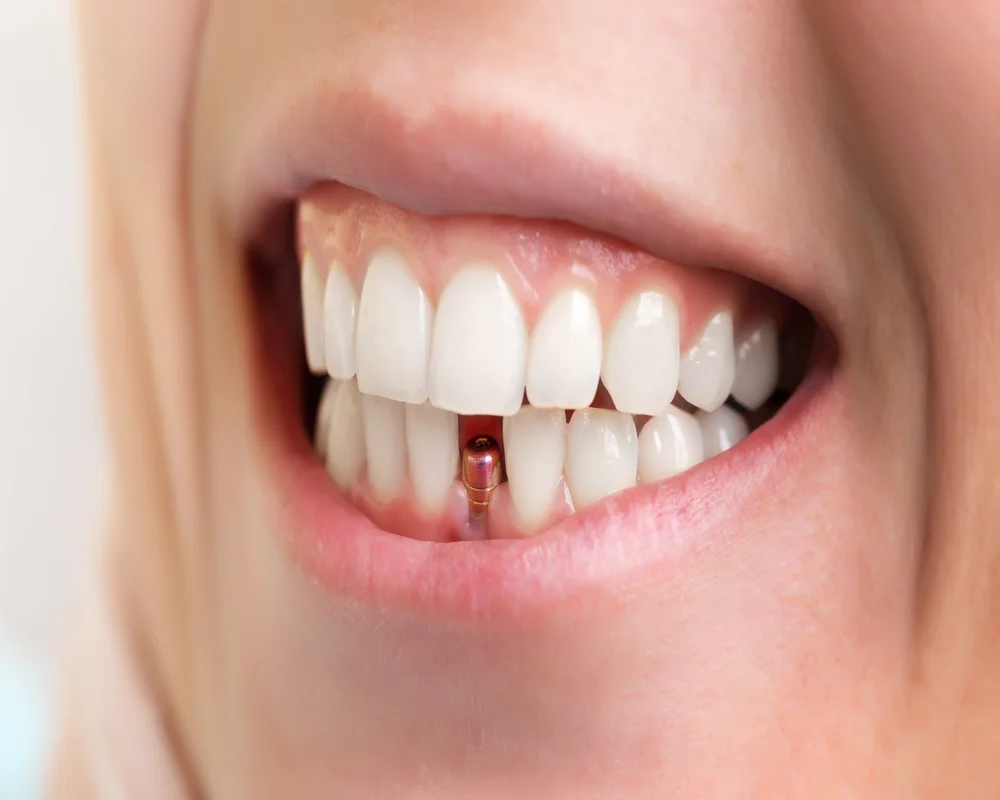
This guide explains how to keep implants clean day to day, the tools that help, and the warning signs worth watching for. The routine is not difficult, but it is worth getting right, because the tissues around an implant respond to daily care much like the gums around your natural teeth. It is general advice; your own dentist or hygienist will show you the technique that suits your specific restoration. For the bigger picture, see our overview of dental implants in Thornhill.
Why Cleaning Implants Still Matters
The crown on an implant will not decay, but the tissues around the implant can still become inflamed if plaque builds up. Left unchecked, this can lead to problems with the gum and bone that support the implant.
The good news is that caring for an implant is not complicated. In most cases it fits neatly into a normal oral hygiene routine, with a few small adjustments depending on whether you have a single crown, a bridge, or a denture. Thinking of your implant as needing the same steady, everyday attention you give your natural teeth is a helpful way to keep it healthy, and it means you are already most of the way there if you have a good routine.
Your Daily Routine
For most people with an implant crown, a simple daily routine keeps things healthy:
- Brush twice a day with a soft-bristled toothbrush, including gently around the gumline of the implant.
- Clean between the teeth once a day, using floss designed for implants or an interdental brush.
- Consider an antimicrobial mouth rinse if your dentist recommends one.
- Keep up with regular professional cleanings and check-ups.
Cleaning Different Types of Restorations
How you clean depends on what sits on top of the implant. A single implant crown is cleaned much like a natural tooth, brushing all sides and flossing around it.
An implant-supported bridge needs cleaning underneath, because the teeth are joined; floss threaders and interdental brushes help reach these areas. Implant-supported dentures that clip out are cleaned separately, while the gum and any fixtures are cleaned in the mouth. If you are unsure which applies to you, our pages on implant-supported bridges and multiple dental implants explain the differences.
Tools That Can Help
You do not need a cupboard full of gadgets, but a few tools make cleaning around implants easier. Interdental brushes come in different sizes to fit the gaps around and beneath restorations. Floss threaders help you get floss under a bridge.
Some people find a water flosser useful for flushing around implants, and a soft or electric toothbrush can make gentle, thorough brushing easier. Your hygienist can recommend what suits your restoration.
Warning Signs to Watch For
Cleaning well helps prevent problems, but it is also worth knowing what to look out for so that anything unusual is checked early rather than left. Contact your dentist if you notice any of the following, without trying to diagnose the cause yourself:
- Redness, swelling, or tenderness in the gum around the implant.
- Bleeding when you brush or clean around the implant.
- A bad taste or persistent bad breath from the area.
- Any feeling that the implant or restoration is loose.
Caring for Implant-Supported Dentures
Implant-supported dentures need a slightly different routine again. If your denture clips out, it is usually cleaned separately, over a folded towel or a basin of water so it is not damaged if dropped. The attachments and the gum are then cleaned gently in the mouth.
Fixed full-arch restorations that do not come out are cleaned in place, with particular attention to the area where the teeth meet the gum. Special floss, interdental brushes, or a water flosser are often recommended to reach underneath. Because the exact design varies, your dentist or hygienist will show you the method that matches your restoration, and it is worth asking at your fitting appointment so you start with good habits.
Common Cleaning Mistakes to Avoid
Most problems around implants come down to plaque building up where it is not being cleaned properly. A few common habits are worth avoiding:
- Skipping the area because it does not decay — the surrounding gum still needs daily attention.
- Brushing too hard with a stiff brush, which can irritate the gum; a soft brush and gentle pressure work better.
- Only brushing and never cleaning between the teeth, where plaque tends to gather.
- Using the wrong size of interdental brush, so it does not actually reach the surfaces that need cleaning.
- Stopping regular check-ups once the implant feels settled and comfortable.
Building a Routine That Sticks
The best cleaning routine is the one you will actually keep up. It helps to attach implant care to habits you already have: cleaning between the teeth at the same time each evening, keeping interdental brushes somewhere visible, and booking your next check-up before you leave the last one.
If you find a particular area awkward to reach, mention it at your next visit rather than avoiding it. A hygienist can often suggest a small change of tool or technique that makes the difference between a spot that stays healthy and one that becomes inflamed.
Professional Care and Check-Ups
Home care does most of the work, but regular visits matter too. Professional cleanings reach areas that are hard to clean at home, and check-ups let your dentist keep an eye on the gum and bone around the implant.
At MiNa Family Dentistry, implant care is led by Dr. Mehdi Adibrad, a periodontist and dental surgeon with an MSc in Periodontics and Implantology, alongside Dr. Neda Kadivar and the hygiene team. To book a check-up or ask about caring for your implant, request an appointment or call (289) 597-7191. MiNa Family Dentistry is at 7191 Yonge St, Unit 205, Thornhill, ON L3T 0C4. This page is general information and is not a substitute for personal advice.
Further Reading
Canadian Dental Association: oral health informationFrequently Asked Questions
Ready to get started?
MiNa Family Dentistry
7191 Yonge St Unit 205, Thornhill, ON L3T 0C4
(289) 597-7191
Mon–Thu 9:00 AM–6:00 PM | Fri 9:00 AM–3:00 PM