

How Long Do Dental Implants Last?
One of the most common questions before treatment is simple: how long will a dental implant actually last? It is a fair thing to want to know before investing time and money, and the honest answer is that implants can last many years — often a very long time — but a lot depends on care and individual factors.
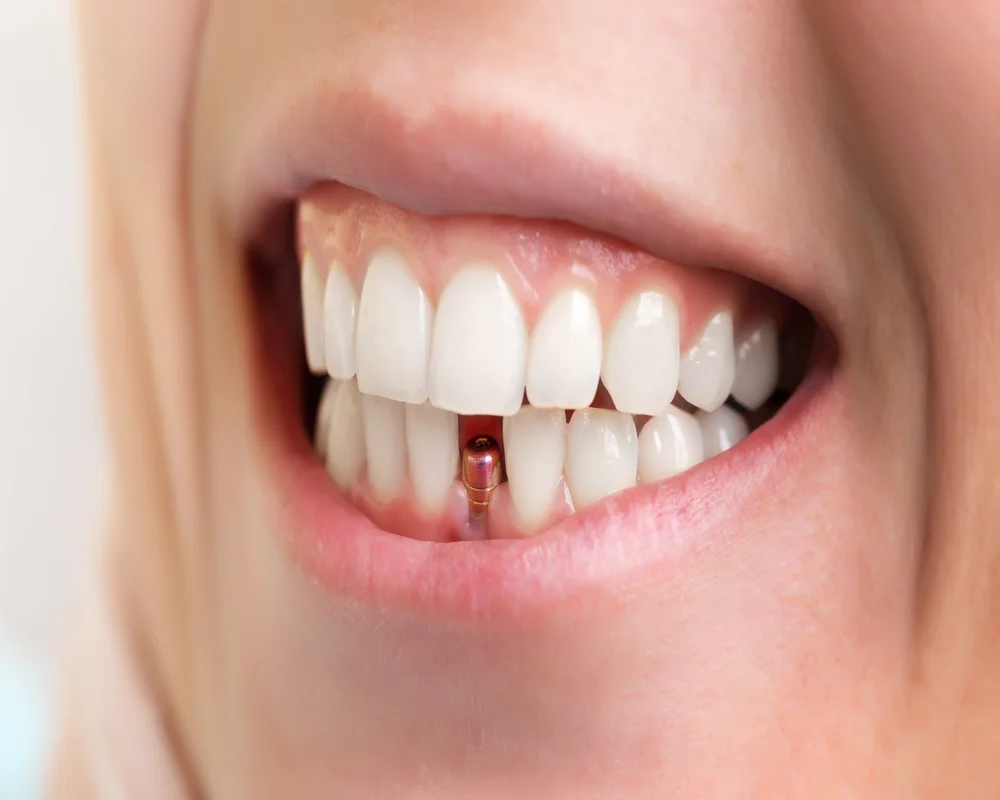
This guide explains what affects how long an implant lasts, the difference between the implant and the crown on top, and the practical steps that support a durable result. It is general information; your dentist can give you a realistic picture for your own situation. Start with our overview of dental implants in Thornhill if you want the wider context.
The Implant and the Crown Are Two Different Things
When people ask how long implants last, they are usually thinking of the whole tooth. But an implant has two parts with different lifespans: the titanium post in the bone, and the crown (or bridge or denture) on top.
The implant post itself, once it has fused with the bone, can remain stable for many years, and in many cases a very long time. The visible restoration sits under daily wear and, like any dental work, is more likely to need repair or replacement over a long enough period. Knowing this helps set realistic expectations.
What the General Picture Looks Like
Dental implants have been used successfully for decades, and long-term studies report that a high proportion remain in place many years after placement. That said, published figures come from study populations and cannot promise an outcome for any one person.
Rather than fixating on a single number, it is more useful to focus on the factors you can influence — because how you care for an implant, and your general health, make a real difference to how long it lasts.
What Affects How Long an Implant Lasts
Several things influence the lifespan of an implant. Some are within your control, and some your dentist manages during planning:
- Oral hygiene — daily cleaning around the implant protects the gum and bone that hold it.
- Gum health — untreated gum disease can threaten the tissues supporting an implant.
- Smoking — it slows healing and is linked to higher risk of implant problems.
- General health — conditions such as poorly-controlled diabetes can affect the surrounding tissues.
- Bite forces — heavy grinding or clenching can put extra strain on the restoration.
- Regular check-ups — they let your dentist catch small issues early.
Looking After Your Implant
The single biggest thing you can do to help an implant last is to keep it clean and attend regular visits. An implant cannot decay, but the gum and bone around it respond to plaque much like natural teeth, so daily care matters.
Our guide on how to clean dental implants covers the day-to-day routine. If you grind your teeth, your dentist might suggest a night guard to reduce strain on the restoration.
Warning Signs Worth Checking
Most implants settle in and cause no trouble, but it helps to know what is worth a professional check. Contact your dentist, without trying to diagnose the cause yourself, if you notice:
- Redness, swelling, or bleeding of the gum around the implant.
- Any looseness of the implant or the restoration on top.
- Ongoing discomfort or a bad taste from the area.
- The gum receding around the implant.
If a Restoration Needs Attention
If the crown or other restoration wears, chips, or loosens over the years, it can often be repaired or replaced without disturbing the implant beneath, provided the implant itself remains healthy. This is one of the advantages of the implant design.
Should a problem affect the implant itself, your dentist will assess the situation and discuss options. Attending regular check-ups makes it far more likely that any issue is caught early, when it is simpler to manage.
Realistic Expectations
It would be misleading to promise that any implant lasts forever, and no responsible dentist will. What is fair to say is that, with good care and regular visits, implants are one of the longer-lasting ways to replace a missing tooth, and many people enjoy their implants for a very long time.
Individual results vary, and your own outlook depends on your mouth and your health. A consultation is the best way to get a realistic picture for you.
How Implants Compare on Longevity
It is natural to weigh longevity against other tooth-replacement options. A bridge can last many years too, but it relies on the health of the neighbouring teeth it is attached to, so a problem with one of those teeth can affect the whole bridge. A conventional denture typically needs adjusting or replacing over time as the underlying gum and bone change.
An implant is not attached to other teeth and helps preserve the bone where it sits, which is part of why it is often considered one of the longer-lasting options. None of this guarantees a particular lifespan, but it helps explain why many patients view an implant as a long-term solution. Our guides comparing an implant vs a bridge and an implant vs a denture look at these trade-offs in more detail.
The Role of Regular Check-Ups
Regular visits are one of the simplest ways to protect the lifespan of an implant. At a check-up, your dentist can look at the gum and bone around the implant, spot early signs of any issue, and clean areas that are hard to reach at home.
Catching a small concern early — a little inflammation, for example — is far easier to manage than a problem that has been developing unnoticed for a long time. Think of these visits as routine maintenance that helps your implant keep doing its job.
Talk to MiNa Family Dentistry
Implant care at MiNa is led by Dr. Mehdi Adibrad, a periodontist and dental surgeon with an MSc in Periodontics and Implantology, alongside Dr. Neda Kadivar. To discuss implants or a check-up, request an appointment or call (289) 597-7191.
MiNa Family Dentistry is at 7191 Yonge St, Unit 205, Thornhill, ON L3T 0C4, and also welcomes patients considering dental implants near North York. This page is general information, not a substitute for a personal examination.
Further Reading
Canadian Dental Association: oral health informationFrequently Asked Questions
Ready to get started?
MiNa Family Dentistry
7191 Yonge St Unit 205, Thornhill, ON L3T 0C4
(289) 597-7191
Mon–Thu 9:00 AM–6:00 PM | Fri 9:00 AM–3:00 PM