

What Is Guided Implant Surgery?
If you have researched dental implants, you may have come across the term 'guided implant surgery' and wondered what it means and whether it matters. In simple terms, it is an approach that uses detailed 3D planning and a custom guide to place an implant precisely in a pre-planned position. It is a way of bringing extra accuracy and predictability to implant treatment.
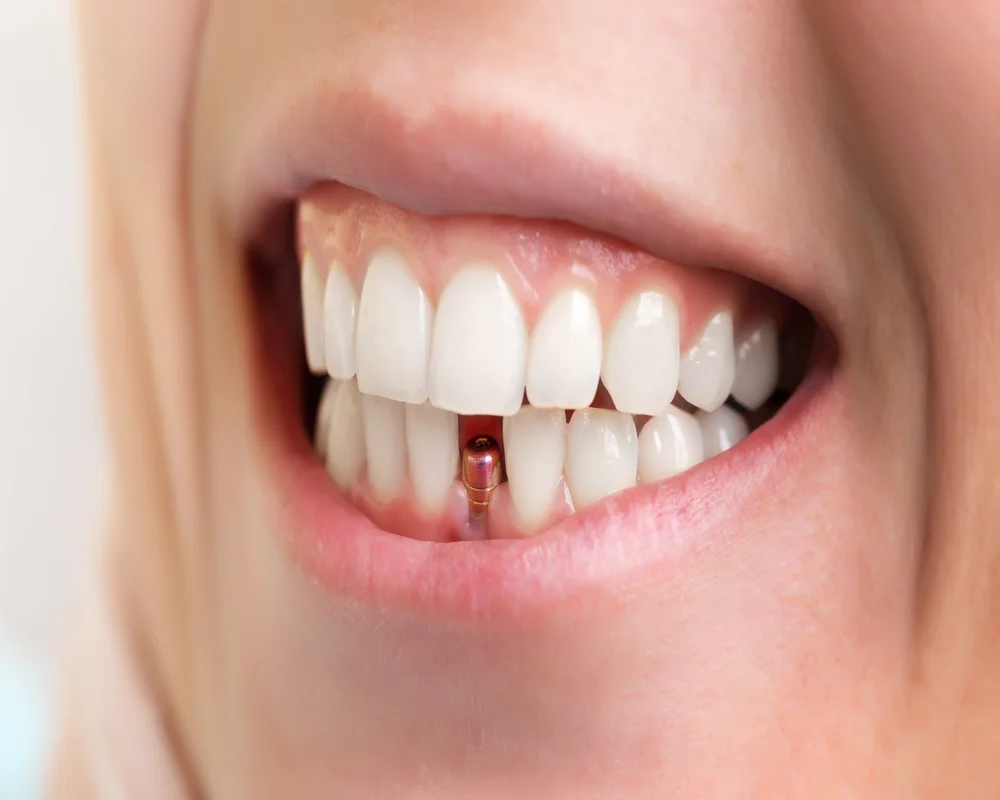
This guide explains what guided implant surgery is, how it works, and the benefits it can offer. It is general information, and whether it suits your case is decided with your dentist. For the wider picture, see our overview of dental implants in Thornhill and the step-by-step implant procedure.
The Idea in Simple Terms
Placing a dental implant well is about precision — putting the implant in exactly the right position, angle, and depth for a stable, natural result. Guided implant surgery is a way of planning that position in detail beforehand and then using a custom-made guide to carry the plan out accurately during surgery.
Think of it as measuring twice and cutting once. The detailed planning happens on a computer using 3D images of your jaw, and the surgery then follows that plan closely, rather than relying on judgement alone in the moment. The result is that many of the decisions are made calmly in advance, when there is time to consider every detail, rather than under the time pressure of the procedure itself.
How It Works
Guided implant surgery usually starts with a 3D scan of your jaw, such as a cone beam CT scan, which shows the bone and nearby structures in detail. Using this, your dentist plans the ideal position for the implant on specialised software, taking into account the bone, the nerves and sinuses to avoid, and how the final tooth should sit.
From this plan, a custom surgical guide is produced. During surgery, the guide fits over the area and directs the placement of the implant according to the plan, helping the implant go exactly where it was designed to go.
The Role of 3D Imaging
Detailed 3D imaging is the foundation of guided surgery. Unlike a flat X-ray, a 3D scan lets your dentist see the height, width, and shape of the bone and the position of important structures, which is essential for precise planning.
This imaging is valuable in its own right for many implant cases, and it is what makes accurate guided planning possible. Our related guide on the cone beam CT scan explains this imaging in more detail.
Potential Benefits
The main appeal of guided implant surgery is accuracy, which can bring several practical benefits. By planning precisely and placing the implant accordingly, it can support a predictable result and help the final tooth sit and look as intended.
- Precise implant positioning based on detailed planning.
- Careful avoidance of important structures such as nerves and sinuses.
- Placement guided toward where the final tooth should ideally sit.
- A predictable, well-planned surgical procedure.
Is It Right for Every Case?
Guided surgery is a valuable tool, but it is one option within implant dentistry rather than something every single case requires. Your dentist decides when it adds the most value, for example in more complex situations or where precision around nearby structures is particularly important.
In other cases, experienced freehand placement with good planning is entirely appropriate. The right approach depends on your specific situation, and your dentist can explain what they recommend for you and why.
What It Means for You as a Patient
From your point of view, guided surgery mostly happens in the planning stage, before you are in the chair. The detailed scan and computer planning are done in advance, so that the surgery itself follows a clear, pre-made plan.
For patients, the appeal is the reassurance that comes from thorough preparation. Knowing your implant has been carefully planned in three dimensions, with a guide to help place it accurately, can make the process feel more predictable and less uncertain. It can also be reassuring simply to understand that so much thought goes into the position of a single implant before any surgery begins, which is often more involved than people expect.
Technology Supports, It Does Not Replace, Skill
It is worth keeping technology in perspective. Guided surgery is a powerful aid, but it supports the dentist's judgement and skill rather than replacing them. Good planning, sound clinical decisions, and careful technique remain essential; the technology helps carry those out accurately.
In other words, the best results come from combining experienced hands with good tools. At MiNa Family Dentistry, implant surgery is led by Dr. Mehdi Adibrad, a periodontist and dental surgeon with an MSc in Periodontics and Implantology, who can explain how planning and technology fit into your treatment.
Keeping the Technology in Perspective
Guided implant surgery is genuinely useful, but it is worth keeping marketing in perspective too. Technology in dentistry can sometimes be presented as a headline selling point, and while accurate planning is a real benefit, the most important factors remain sound diagnosis, careful judgement, and skilled hands. A guide helps carry out a good plan; it cannot make up for a poor one.
So rather than choosing a clinic on technology alone, it is more useful to ask how your case would be planned overall, and who would be doing the work. Good tools in experienced hands are the ideal combination. If you are curious about how your own treatment would be approached, that is exactly the kind of question a consultation is there to answer clearly and honestly.
Learn More at MiNa Family Dentistry
If you would like to understand how your implant would be planned and placed, the team at MiNa is happy to explain. Implant care is led by Dr. Mehdi Adibrad, alongside Dr. Neda Kadivar.
To book a consultation, request an appointment or call (289) 597-7191. MiNa Family Dentistry is at 7191 Yonge St, Unit 205, Thornhill, ON L3T 0C4. This page is general information and is not a substitute for a personal examination.
Further Reading
Canadian Dental Association: oral health informationFrequently Asked Questions
Ready to get started?
MiNa Family Dentistry
7191 Yonge St Unit 205, Thornhill, ON L3T 0C4
(289) 597-7191
Mon–Thu 9:00 AM–6:00 PM | Fri 9:00 AM–3:00 PM