

What Is a Dental Implant Abutment?
When you read about dental implants, one word that comes up again and again is 'abutment'. It sounds technical, but the idea is simple, and understanding it helps the whole implant process make more sense. In short, the abutment is the small connector that joins your implant to the visible tooth on top.
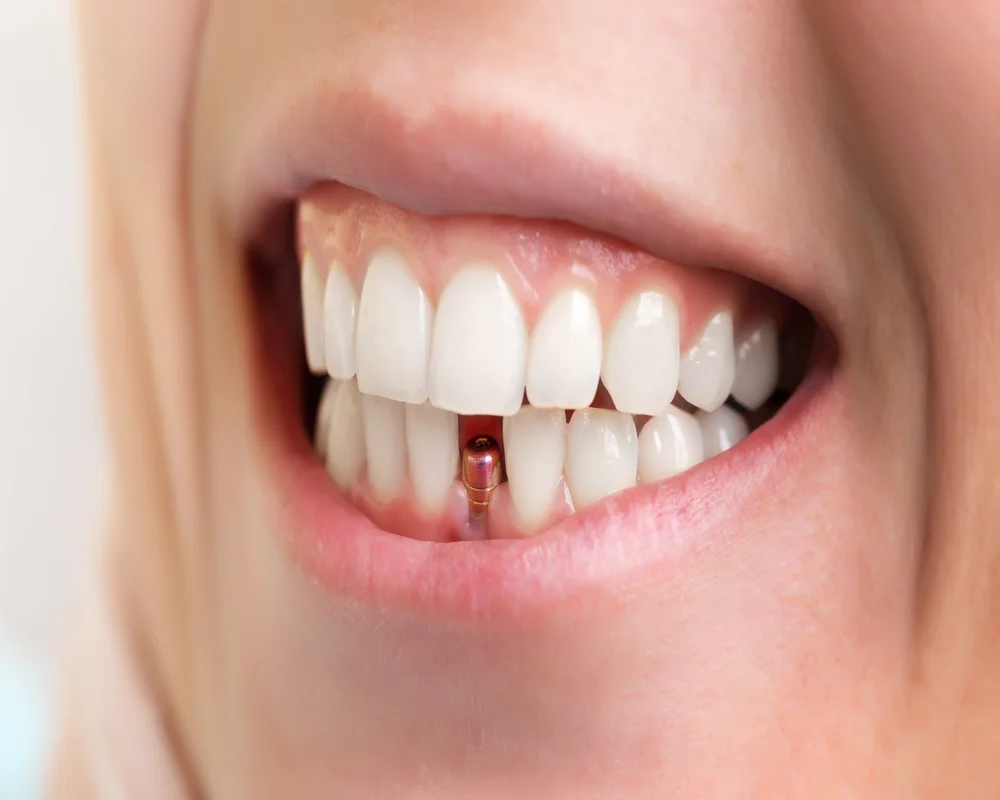
This guide explains what an abutment is, what it does, and how it fits into implant treatment. It is general information; your own treatment is planned after an examination. For the full picture of how the parts work together, see our overview of dental implants in Thornhill.
The Three Parts of a Dental Implant
A complete dental implant is made of three parts that work together, and the abutment is the middle one. Understanding all three makes the abutment's role clear.
- The implant — the small titanium post placed into the jawbone, acting like a tooth root.
- The abutment — the connector that attaches to the implant once it has healed.
- The restoration — the visible crown, bridge, or denture that sits on top of the abutment.
What the Abutment Does
The abutment's job is to link the implant beneath the gum to the tooth you see above it. The implant provides the foundation in the bone, the restoration provides the visible, functioning tooth, and the abutment is the piece that securely connects the two.
Without an abutment, there would be no way to attach a crown to the implant. It is a small component, but it is essential, and it is shaped and positioned so the final tooth sits correctly and looks natural. In that sense, it is the quiet workhorse of the implant: rarely mentioned, never seen once the crown is on, yet doing the vital job of holding everything together.
When the Abutment Is Placed
The abutment is added after the implant has integrated with the bone, during the later stages of treatment. Once your dentist confirms the implant is stable, the abutment is attached to it, ready to support the final restoration.
In some cases the abutment is placed at the same time as the implant, and in others at a separate, later appointment. Which approach is used depends on your treatment plan, and your dentist will explain what applies to you. Our guide to the dental implant procedure shows where this fits in the sequence.
What Abutments Are Made Of
Abutments are made from strong, biocompatible materials. Titanium abutments are common and very durable, while tooth-coloured ceramic (such as zirconia) abutments may be chosen in certain situations, for example at the front of the mouth where appearance is a particular concern.
Your dentist selects the abutment material and design to suit the position of the tooth and how the final restoration will look and function. It is another example of the small details that go into making an implant blend in naturally.
Stock vs. Custom Abutments
Abutments come in standard (stock) forms and custom-made forms. A stock abutment is a pre-made component that suits many straightforward cases, while a custom abutment is made specifically for your tooth, which can help with fit, appearance, and how the gum sits around it.
Which type is used depends on your situation and the result you and your dentist are aiming for. Both are well-established; the choice is about matching the component to your particular needs rather than one being simply better than the other.
Caring for the Area Around the Abutment
Once your crown is in place, you do not see or handle the abutment directly, but the gum around it still needs good care. Cleaning around the base of the restoration, where it meets the gum, keeps the tissues healthy and protects the implant beneath.
This is just part of normal implant care rather than anything special. Our guide on how to clean dental implants covers the routine, which keeps the gum around the abutment and implant in good shape.
Why Understanding This Helps
Knowing what an abutment is takes some of the mystery out of implant treatment. When your dentist talks about attaching the abutment or taking an impression over it, you will understand that this is the stage where the foundation in the bone is being connected to your new tooth.
It also helps you follow discussions about materials and design, and to ask good questions. Implants can sound complicated, but broken into their three parts — implant, abutment, restoration — the process becomes much easier to picture. Once you have that simple framework in mind, the rest of the treatment tends to fall into place, and terms that seemed technical at first start to feel familiar and straightforward.
A Small Part That Ties It All Together
It is easy to overlook the abutment, sitting quietly between the implant and the crown, but it plays a genuinely important role. It is the piece that turns a post in the bone into a usable tooth, transferring the forces of biting and chewing down into the implant and the jaw.
Because it does this job day in and day out, it is made and fitted with care. The precise fit between implant, abutment, and crown is part of what makes a well-made implant feel solid and natural. So although it is the least talked-about of the three parts, the abutment is far from an afterthought.
Questions About Implants? Ask MiNa
If you would like the implant process explained clearly, the team at MiNa is happy to help. Implant care is led by Dr. Mehdi Adibrad, a periodontist and dental surgeon with an MSc in Periodontics and Implantology, alongside Dr. Neda Kadivar.
To learn more or book a consultation, request an appointment or call (289) 597-7191. MiNa Family Dentistry is at 7191 Yonge St, Unit 205, Thornhill, ON L3T 0C4. This page is general information and is not a substitute for a personal examination.
Further Reading
Canadian Dental Association: oral health informationFrequently Asked Questions
Ready to get started?
MiNa Family Dentistry
7191 Yonge St Unit 205, Thornhill, ON L3T 0C4
(289) 597-7191
Mon–Thu 9:00 AM–6:00 PM | Fri 9:00 AM–3:00 PM