

Professional Teeth Cleaning in Thornhill — What to Expect at Every Visit
Thorough, comfortable professional teeth cleaning in Thornhill for patients of all ages — removing tartar that home brushing simply cannot reach.
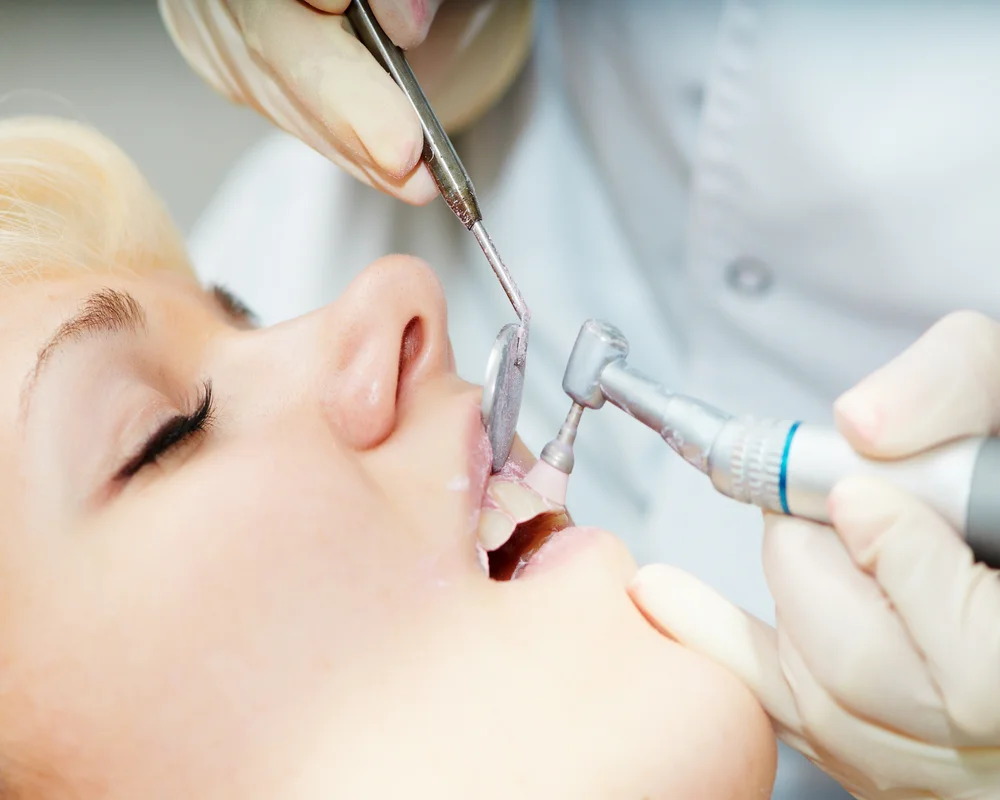
Most people brush and floss every day, and that effort genuinely matters. But no matter how careful you are at home, plaque that is missed hardens into tartar (also called calculus) within 24 to 72 hours. Once tartar forms, no toothbrush or floss can remove it. Only a professional teeth cleaning can break it down safely without harming the enamel beneath it. At MiNa Family Dentistry, our hygiene visits are thorough, comfortable, and designed for patients of all ages — from toddlers to seniors.
This page explains exactly what happens during a professional cleaning, who performs it, how often you should come in, and what you can do between visits to keep your mouth in its best shape.
What Happens During a Professional Teeth Cleaning?
A hygiene appointment at MiNa Family Dentistry follows a consistent, step-by-step process. Each stage targets a specific concern, and together they leave your teeth clean, smooth, and better protected against future decay and gum disease.
Supragingival Scaling
The hygienist uses specialized hand instruments and, when helpful, an ultrasonic scaler to remove tartar from the surfaces of your teeth above the gumline. The ultrasonic scaler vibrates at a high frequency and uses a fine water mist to flush away debris as it works. Most patients describe the sensation as mild vibration and water pressure. For anyone who is particularly sensitive, we can adjust our approach.
Subgingival Scaling (When Needed)
If tartar has accumulated below the gumline — in the shallow space between the tooth and the gum — the hygienist gently cleans those areas as well. This is especially important for patients with a history of gum disease. If deeper deposits are present that require scaling and root planing, we will discuss that as a separate, dedicated appointment.
Polishing
After scaling, we use a gritty polishing paste and a slow-speed rubber cup to buff the surfaces of your teeth. Polishing removes superficial stain from coffee, tea, red wine, and certain foods, and leaves the tooth surface smooth. A smoother surface is harder for plaque to cling to, which means your at-home cleaning is more effective in the days after your appointment.
Flossing
The hygienist flosses between every pair of teeth to clear any remaining debris and to check the health of the gum tissue between teeth, where cavities and gum inflammation often start.
Fluoride Application (Optional)
At the end of the appointment, we can apply a professional-strength fluoride varnish. This is especially recommended for children, patients with a history of frequent cavities, patients with dry mouth, and anyone with exposed root surfaces. The varnish takes less than a minute to apply and is left on for several hours to allow maximum remineralization of the enamel.
Why Home Brushing Is Not Enough on Its Own
This is one of the most common questions we hear at our Thornhill dental office, and the answer is straightforward. Brushing and flossing remove soft plaque film from tooth surfaces. If plaque is removed consistently, it stays soft and your gum tissue stays healthy. But plaque that is missed — in tight contacts between teeth, along the back of lower incisors, in grooves on molars — begins to absorb minerals from saliva and hardens. This calcified plaque is what we call tartar, or calculus.
Tartar is porous and rough, which means it attracts more plaque. It also irritates the gum tissue directly, causing the chronic inflammation that leads to gingivitis and, eventually, periodontitis. By the time you can see tartar at your gumline in the mirror, the buildup has typically been forming for weeks or months.
No consumer toothbrush, electric or manual, can remove tartar once it has hardened. Professional teeth cleaning scheduled every six months is the only reliable way to stay ahead of it.
How Often Should You Get Your Teeth Cleaned?
The standard recommendation for most healthy adults is every six months. However, that interval is not the right answer for every patient. Our team will recommend a frequency based on your individual risk profile.
If you have had periodontal treatment in the past, your gums need more frequent maintenance to prevent pockets from deepening again. Our periodontist, Dr. Mehdi Adibrad, works closely with our hygiene team to coordinate care for these patients without requiring outside referrals.
| Patient Profile | Recommended Cleaning Interval |
|---|---|
| Low cavity risk, healthy gums, no systemic conditions | Every 6 months |
| Moderate plaque buildup, mild gingivitis history | Every 4–6 months |
| Active or past periodontal (gum) disease | Every 3–4 months |
| Dry mouth (xerostomia), often related to medication | Every 3–4 months |
| Orthodontic patients with braces or aligners | Every 3–6 months |
| Patients with diabetes or other systemic conditions | Every 3–4 months |
| Children with high cavity risk | Every 3–6 months |
Signs You May Need a Cleaning More Than Twice a Year
Many patients do not realize they need more frequent cleanings until a problem is already developing. If any of the following apply to you, mention them when you call to book. We will make sure your appointment is long enough to address what you need.
- Gums that bleed when you brush or floss, even occasionally
- Persistent bad breath that does not improve with brushing
- Visible yellowish or brownish buildup along your gumline
- Gum tissue that looks puffy, red, or that has pulled away from your teeth
- A dry mouth feeling that lasts most of the day (often a medication side effect)
- A personal or family history of significant gum disease
What to Expect at a New Patient Cleaning Visit at MiNa
If this is your first visit to MiNa Family Dentistry, your appointment will include a few additional steps beyond the cleaning itself.
First, Dr. Kadivar will perform a comprehensive exam. This includes a visual check of every tooth surface, an assessment of your gum health (probing depths, inflammation, recession), a screening for oral cancer, and a review of your bite and jaw joints. Dental X-rays are typically taken at a new patient visit as well, so that we have a complete picture of what is happening below the gumline and between teeth.
After the exam, your hygiene appointment proceeds. If the exam reveals areas that need special attention, we will note them and discuss a treatment plan with you before you leave. We understand that many adults have not seen a dentist in years and may feel some anxiety about what we will find. Dr. Kadivar has more than 20 years of experience and a genuinely gentle approach. Her goal at every first visit is to make you feel informed and at ease, not judged.
Teeth Cleaning for Anxious Patients
Dental anxiety is real and very common. A significant number of adults delay or avoid dental care because of fear, and many of those fears began in childhood. At MiNa Family Dentistry, we take a low-pressure, patient-paced approach to every hygiene appointment.
If you are nervous, tell us when you call. We will schedule extra time so you never feel rushed. Dr. Kadivar and our hygienists regularly treat anxious patients, including children who are visiting for the first time. We explain every step before we begin it, stop anytime you need a break, and never push you further than you are comfortable with.
What Professional Teeth Cleaning Typically Costs in Ontario
A standard hygiene appointment in Ontario, including scaling, polishing, and fluoride, typically ranges from $130 to $200, depending on the amount of work involved. Most private dental benefit plans cover two hygiene appointments per year at 80% to 100% co-pay, depending on your specific plan.
For patients who qualify, the Canadian Dental Care Plan (CDCP) may cover some or all of the cost of a professional teeth cleaning appointment. Eligibility is based on income and Canadian residency. Our front desk team is happy to help you check your eligibility and understand what is covered before your appointment.
Ontario's OHIP+ program covers dental care for children under 18 in certain circumstances, and many employer group plans include comprehensive dental coverage for families. Ask our administrative team about direct billing when you book.
What to Do Between Professional Cleanings
The work you do at home between appointments is what keeps the six-month interval manageable. If you have questions about your technique, ask your hygienist at your next appointment. A brief demonstration can make a noticeable difference.
- Brush twice a day for a full two minutes each time, using a soft-bristled toothbrush held at a 45-degree angle to your gumline
- Floss once a day, ideally before bed, to remove plaque from between teeth where your brush cannot reach
- Consider a water flosser if traditional floss is difficult due to limited dexterity, braces, or bridgework
- Limit sugary and acidic beverages, which feed the bacteria that produce cavity-causing acid
- Stay hydrated to support healthy saliva flow, your mouth's natural defense against plaque and acid
- Use fluoride toothpaste every time you brush
Watch & Learn
Further Reading
Canadian Dental Association: Your Oral HealthFrequently Asked Questions
Ready to get started?
MiNa Family Dentistry
7191 Yonge St Unit 205, Thornhill, ON L3T 0C4
(289) 597-7191
Mon–Thu 9:00 AM–6:00 PM | Fri 9:00 AM–3:00 PM