

Dental Bridge Thornhill: Restore a Missing Tooth at MiNa Family Dentistry
Fixed tooth replacement in as few as two appointments — with a full conversation about your options.
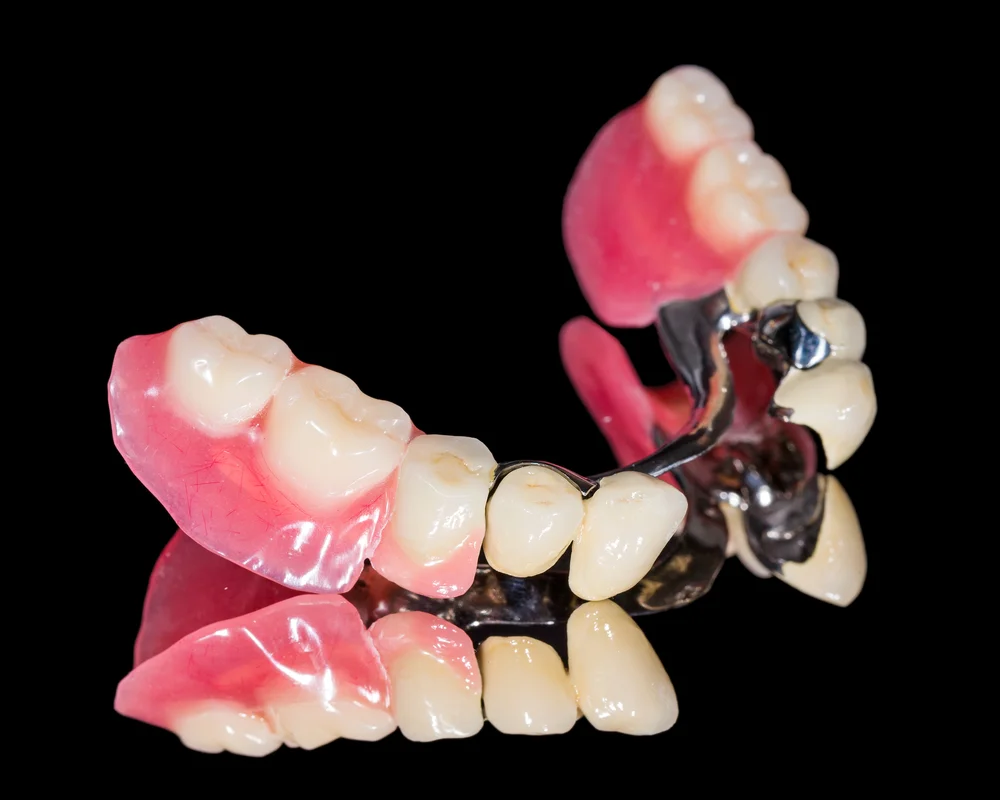
Losing a tooth — whether to decay, injury, or gum disease — creates more than a cosmetic gap. The teeth on either side gradually shift toward the space, the opposing tooth drifts out of alignment, and jawbone in the area begins to shrink over time. A dental bridge in Thornhill is one of the most reliable ways to fill that gap quickly, restore your bite, and preserve the position of the surrounding teeth.
At MiNa Family Dentistry, Dr. Neda Kadivar takes time with each patient to discuss all available options, including whether a bridge or a dental implant is the better long-term fit for their situation.
What Is a Dental Bridge?
A dental bridge is a fixed prosthetic that spans the gap left by one or more missing teeth. The replacement tooth in the middle — called a pontic — is permanently attached to two dental crowns placed on the natural teeth (or implants) on either side. Those supporting teeth are called abutment teeth. Once cemented, the bridge cannot be removed at home; it functions and is cleaned much like natural teeth.
Types of Dental Bridges
Several bridge designs exist, and the right choice depends on the location of the missing tooth, the health of adjacent teeth, and your bite forces. Dr. Kadivar evaluates all of these factors before recommending a specific type.
| Bridge Type | Adjacent Tooth Preparation | Best Use Case | Approximate Lifespan |
|---|---|---|---|
| Traditional | Yes, both sides | Any tooth position | 10–15 years |
| Cantilever | Yes, one side | Limited adjacent teeth | 10–15 years |
| Maryland (resin-bonded) | Minimal | Front teeth, low stress | 7–12 years |
Traditional Bridge
The most common type. Two abutment teeth are prepared (reduced in size) to receive crowns, and the pontic is fused between them. Traditional bridges are strong and suitable for replacing a molar or premolar where bite forces are greatest.
Cantilever Bridge
The pontic is anchored to only one abutment tooth rather than two. Cantilever bridges are occasionally used at the back of the mouth where there is only one adjacent tooth available, but they put higher leverage stress on the single abutment and are used less frequently today.
Maryland (Resin-Bonded) Bridge
Instead of full crowns, a Maryland bridge uses metal or tooth-coloured resin wings bonded to the backs of the adjacent teeth. Because the adjacent teeth require little or no preparation, this option preserves more natural tooth structure. Maryland bridges are best suited for front teeth in low-stress areas, and they are a popular choice when replacing a missing front tooth in a young patient who is not yet old enough for an implant.
Bridge vs. Implant: How Dr. Kadivar Helps You Choose
The dental bridge in Thornhill and the dental implant are both excellent tooth replacement options, and the right choice depends on several factors. Dr. Kadivar discusses both options at every consultation for a missing tooth, and Dr. Mehdi Adibrad — our dental surgeon with an MSc in periodontics — is available for implant consultations in the same practice.
A bridge may be the right choice when you need the tooth replaced quickly and cannot wait for implant healing, when the adjacent teeth already have large fillings or crowns and were going to be restored anyway, when there is insufficient bone volume for an implant without bone grafting, or when budget considerations make the lower upfront cost of a bridge preferable. An implant may be the right choice when the adjacent teeth are healthy and untouched (preserving them is a priority), when you want to maintain jawbone volume in the long term, or when you are looking for the most durable, long-lasting single-tooth replacement available.
| Factor | Dental Bridge | Dental Implant |
|---|---|---|
| Treatment timeline | 2–3 weeks | 3–6 months (includes healing) |
| Surgery required | No | Yes |
| Bone quantity required | No minimum | Adequate bone needed |
| Effect on adjacent teeth | Adjacent teeth must be prepared | Adjacent teeth untouched |
| Bone preservation | No (bone resorbs under pontic) | Yes (implant stimulates bone) |
| Long-term cost | May need replacement sooner | Higher upfront, often cheaper long-term |
| Insurance coverage | Usually partially covered | Less commonly covered |
The Two-Appointment Bridge Process
Appointment 1: Abutment Tooth Preparation
Dr. Kadivar administers local anaesthetic and reshapes the abutment teeth to create room for the crowns. Impressions or a digital scan are taken of the prepared teeth, the pontic space, and the opposing bite. These records go to the dental laboratory, where the bridge is fabricated to precise dimensions. A temporary bridge is placed to protect the prepared teeth and restore your appearance in the interim.
Appointment 2: Final Cementation
When the laboratory bridge is ready (typically two to three weeks later), the temporary is removed, the bridge is tried in, and Dr. Kadivar verifies the fit, bite, and aesthetics. Once everything is correct, the bridge is permanently cemented. The bite is rechecked and minor adjustments are made as needed.
The Downside of Dental Bridges: What to Consider
A traditional bridge does require that two adjacent teeth be reshaped to accept crowns. If those teeth are currently healthy and decay-free, preparing them means permanently removing natural enamel that can never be replaced. This is the single most significant trade-off of a bridge compared to an implant, and it is the reason Dr. Kadivar always makes sure patients understand both options before proceeding.
Additionally, because the pontic sits above the ridge without a tooth root, the jawbone beneath it is no longer stimulated and will gradually resorb over time. Cleaning under the pontic also requires extra effort because dental floss cannot pass through the contact points the way it does between natural teeth. Floss threaders, orthodontic floss with a stiff end, or a water flosser can effectively clean under the bridge and are important in preventing decay at the margins.
How to Clean a Dental Bridge
Daily cleaning under the bridge is essential. Neglected margins are where decay begins, and a cavity in an abutment tooth compromises the entire bridge.
| Tool | How to Use |
|---|---|
| Floss threader | Thread floss through the loop, pass the stiff end under the pontic, and floss along the gum ridge and margins |
| Superfloss | Pre-stiffened end threads under the pontic; spongy section cleans under the bridge |
| Water flosser | Direct the stream under the pontic and along the margins at low to medium pressure |
| Interdental brush | Slide small brush under the pontic to dislodge plaque and food debris |
Lifespan and Long-Term Costs
A well-maintained dental bridge in Thornhill typically lasts 10 to 15 years before it needs to be replaced. Over a 15-year period, when bridge fabrication costs, potential replacement costs, and the expense of addressing any decay on the abutment teeth are factored in, the total cost of bridge treatment can approach or exceed the cost of a single dental implant — which, once integrated, often lasts 25 or more years without replacement. This does not make the bridge the wrong choice; it makes an informed conversation about the full picture essential. Dr. Kadivar takes exactly that approach with every patient.
Cost of a Dental Bridge in Thornhill
A three-unit traditional dental bridge (two crowns plus one pontic) in the Greater Toronto Area typically costs between $3,000 and $5,500 or more depending on the material, number of units, and the complexity of the case. Most Ontario dental benefit plans provide partial coverage for bridges under major restorative benefits, often at 50 percent of eligible fees up to the plan's annual maximum. Frequency limitations typically apply.
MiNa Family Dentistry will provide a detailed written estimate and can submit a predetermination to your insurer prior to treatment.
Watch & Learn
Further Reading
ADA: Dental BridgesRelated Services
Frequently Asked Questions
Ready to get started?
MiNa Family Dentistry
7191 Yonge St Unit 205, Thornhill, ON L3T 0C4
(289) 597-7191
Mon–Thu 9:00 AM–6:00 PM | Fri 9:00 AM–3:00 PM