

Dentures Thornhill: Complete and Partial Tooth Replacement at MiNa Family Dentistry
Full, partial, and implant-retained dentures — custom-fitted by Dr. Kadivar for comfort and function.
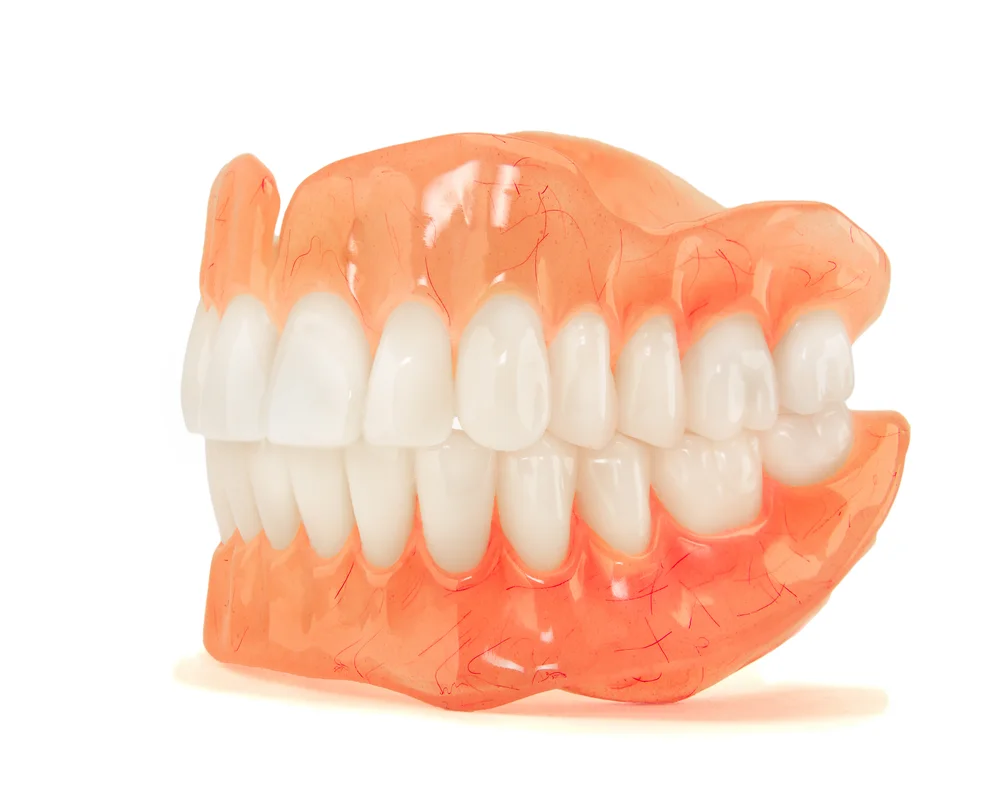
Whether you are missing several teeth or all of them, living without a full set of functioning teeth affects how you eat, how you speak, and how you feel about your smile. Dentures in Thornhill have come a long way — today's options are lighter, more natural-looking, and better fitting than they were even a decade ago.
At MiNa Family Dentistry, Dr. Neda Kadivar guides every patient through the fitting process with patience and precision, ensuring that your denture is comfortable, functional, and made to last.
Types of Dentures Available at MiNa Family Dentistry
Not all tooth loss looks the same, and not all dentures are the same. The right type depends on how many teeth are missing, whether any natural teeth remain, the health of your gums and jawbone, and your preferences for function and stability.
| Denture Type | Teeth Replaced | Stability | Bone Preservation | Relative Cost |
|---|---|---|---|---|
| Complete (upper) | All upper teeth | Moderate (suction) | No | Moderate |
| Complete (lower) | All lower teeth | Lower (ridge only) | No | Moderate |
| Partial | Selected missing teeth | Good (clasps/attachments) | No | Moderate |
| Immediate | All or many teeth | Lower initially | No | Moderate |
| Implant-retained overdenture | All teeth in arch | Very high (snaps to implants) | Yes | Higher upfront |
Complete Dentures (Full Upper or Full Lower)
A complete denture replaces all the teeth in one arch — upper, lower, or both. It rests on the gum ridge and, in the case of an upper denture, uses suction against the palate to stay in place. A lower complete denture is held primarily by the ridge and tongue pressure, which is why lower dentures can feel less stable than upper ones.
Complete dentures are custom-fabricated to the shape of your individual ridges. They restore the appearance of a natural smile and support the facial muscles that would otherwise collapse inward over time as bone loss occurs.
Partial Denture
A partial denture is used when some natural teeth remain. Metal clasps or precision attachments anchor the partial to the remaining teeth, filling the gaps and preventing the remaining teeth from drifting into the spaces. A partial denture can replace one tooth or many scattered teeth across the arch.
Immediate Denture
An immediate denture is placed on the same day that the remaining teeth are extracted. It functions as a bandage over the extraction sites and allows you to leave the office with teeth rather than waiting weeks for healing. Because the ridges change shape significantly during the first several months after extractions, an immediate denture will need relining or replacement once healing is complete.
Implant-Retained Overdenture
An implant-retained overdenture (sometimes called implant-supported dentures) snaps onto a small number of dental implants placed in the jaw. The implants act as anchors, eliminating the movement and rocking that can make conventional dentures uncomfortable during eating or speaking. Dr. Mehdi Adibrad places the implants, and Dr. Kadivar delivers and fits the overdenture. This option dramatically improves stability and also helps preserve the jawbone that conventional dentures cannot.
The Denture Fitting Process
Getting dentures in Thornhill at MiNa Family Dentistry involves several carefully planned appointments to ensure a comfortable, well-fitting result.
Step 1: Consultation and Assessment
Dr. Kadivar examines your remaining teeth, gums, and bone structure. X-rays are taken to evaluate bone volume. If extractions are needed, Dr. Adibrad or Dr. Kadivar will complete them and allow appropriate healing time before denture impressions are taken — unless you have chosen an immediate denture.
Step 2: Impressions and Bite Registration
Detailed impressions of your ridges are taken using an impression material that captures the exact contours of your gum tissue. A bite registration records how your upper and lower jaws relate to each other. These records go to the dental laboratory, where your custom denture is crafted on articulated models.
Step 3: Try-In Appointment
Before the final denture is processed, a wax try-in is provided so you can see the tooth arrangement, the lip support, and the overall aesthetics before the denture is finalized. This is your opportunity to ask for adjustments to the tooth position, shape, or shade — it is much easier to make changes at the wax stage than after the denture is processed.
Step 4: Final Delivery and Adjustment Appointments
At the delivery appointment, Dr. Kadivar places the finished denture, confirms the fit, and checks the bite in all positions. She provides detailed instructions on insertion, removal, and care. Most patients require one or more follow-up adjustment appointments in the first few weeks as the denture settles and minor pressure points are identified and relieved.
What to Expect in the First Weeks with a New Denture
New dentures in Thornhill require an adjustment period. Several experiences are normal and resolve with time and practice.
- Sore spots — areas of pressure on the ridge may become tender; adjustment appointments relieve these spots
- Increased saliva — the mouth perceives the denture as a foreign object at first and produces extra saliva, which settles within a week or two
- Speech changes — certain sounds may feel different initially; reading aloud for a few minutes each day speeds up adaptation
- Eating challenges — start with soft foods cut into small pieces and chew on both sides simultaneously to keep the denture balanced
Caring for Your Dentures
Proper care keeps your denture clean, extends its life, and protects your gum tissue. Never use toothpaste to clean dentures — it is too abrasive and will scratch the surface. Never use hot water, which can warp the acrylic base and permanently alter the fit. Even without teeth, gentle brushing of the gum ridges and tongue promotes circulation and removes bacteria.
| Care Practice | Details |
|---|---|
| Remove at night | Gum tissue needs rest without denture pressure; leaving dentures in overnight increases the risk of gum inflammation |
| Soak in water or denture cleanser | Keeps the acrylic from drying out and warping; use a denture-specific cleaning tablet, not toothpaste |
| Never use hot water | Hot water can warp the acrylic base, permanently altering the fit |
| Brush the denture daily | Use a soft denture brush and mild soap or denture paste to remove plaque and stain |
| Rinse after meals | Remove and rinse under cool water to dislodge food debris |
Relining and Replacement: When Your Denture Stops Fitting Well
Dentures are made to fit the shape of your ridges at a specific point in time. After extractions, bone resorption — the natural shrinking of the jawbone that occurs when teeth are no longer present — continues for years. As the ridge changes shape, a denture that fit well initially may begin to feel loose, rock during chewing, or cause sore spots in new areas.
A reline involves adding new material to the internal surface of the denture to match the current ridge contour. Soft relines use a cushioning material and typically need to be redone every one to two years. Hard relines use acrylic and are more durable. Most complete dentures need to be replaced every 5 to 10 years. A poorly fitting denture left in place too long can accelerate bone loss and damage the ridge, making future fittings more difficult.
Upgrading to Implant-Retained Dentures
If you are wearing a conventional complete denture and struggling with stability, an implant-retained overdenture is a significant upgrade. Just two to four implants in the lower jaw can transform a loose conventional denture into a snap-in appliance that stays firmly in place during meals and conversation. For the upper arch, four or more implants are typically recommended. The procedure involves implant placement by Dr. Adibrad, a healing period of several months, and then attachment of the overdenture by Dr. Kadivar.
Cost of Dentures in Thornhill and Insurance Coverage
Most Ontario employer group dental benefit plans include coverage for dentures under major restorative benefits, typically reimbursing 50 percent of eligible fees. Frequency limitations commonly apply, such as one denture per arch every five years. We recommend submitting a predetermination to your insurer prior to treatment.
| Denture Type | Approximate Cost Range |
|---|---|
| Complete denture (one arch) | $1,500 – $3,000+ |
| Partial denture | $1,200 – $2,500+ |
| Immediate denture | $1,500 – $3,000+ |
| Implant-retained overdenture (prosthetic only) | $2,500 – $6,000+ |
Watch & Learn
Further Reading
ADA: DenturesRelated Services
Frequently Asked Questions
Ready to get started?
MiNa Family Dentistry
7191 Yonge St Unit 205, Thornhill, ON L3T 0C4
(289) 597-7191
Mon–Thu 9:00 AM–6:00 PM | Fri 9:00 AM–3:00 PM