

Bone Graft Healing Timeline Before a Dental Implant
If your dentist has recommended a bone graft before your implant, it is natural to want to understand what that adds to your treatment and how long healing takes. A bone graft rebuilds the foundation an implant needs, and while it does extend the timeline, it is a well-established step aimed squarely at a stable, lasting result.
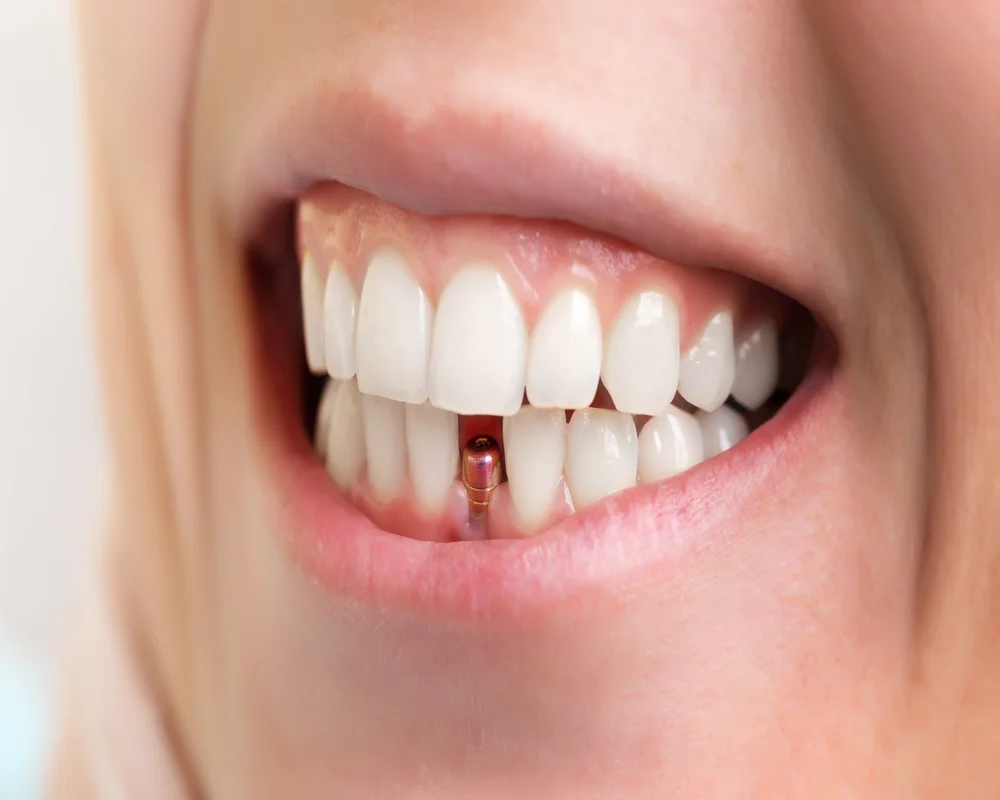
This guide explains why a bone graft may be needed, what healing involves, and roughly how long each stage takes. Every case is different, so treat it as a general map rather than a fixed schedule — your dentist gives you a timeline for your situation. For more on the treatment itself, see our page on bone grafting for implants.
Why a Bone Graft May Be Needed
A dental implant needs enough healthy jawbone to hold it securely. When a tooth has been missing for a while, the bone in that area tends to shrink, because it is no longer stimulated by a tooth root. Gum disease and injury can also reduce bone. If there is not enough bone to support an implant reliably, a graft rebuilds it.
A bone graft adds material to the area that your body gradually replaces with its own new bone over time, creating a stronger base. It is a common and predictable part of implant treatment, and for many people it is what makes an implant possible in the first place.
The Procedure in Brief
Bone grafting is carried out under local anaesthetic, so the area is numb. The graft material is placed into the site that needs building up, and the gum is closed over it to protect it while it heals. Some grafts are done on their own, and in some cases a smaller graft can be placed at the same time as the implant.
Afterward, some swelling and tenderness in the first days is normal and usually managed with the aftercare your dentist provides. Our step-by-step guide to the dental implant procedure shows where grafting fits into the overall sequence.
The First Days After a Graft
The first few days are the most sensitive period. Expect some swelling and tenderness, and follow your dentist's instructions closely — this usually means eating soft foods, keeping the area clean and undisturbed, avoiding straws and vigorous rinsing, and not smoking, all of which protect the graft while it settles.
Most people manage this stage comfortably and return to daily activities fairly quickly. Protecting the site now is important, because the graft needs to be left undisturbed to do its job.
The Main Healing Period
The key part of a bone graft's timeline is the healing period, during which your body gradually replaces the graft material with your own new bone. This typically takes several months, and the exact length depends on the size and type of graft and your own healing.
This phase cannot be rushed, because the new bone needs to be strong enough to support an implant. The reassuring part is that it asks little of you day to day — you go about normal life while it happens, keeping the area healthy and attending any check-ups.
How Long Before the Implant?
As a general guide, many bone grafts need several months of healing before an implant can be placed, though smaller grafts may need less and larger ones more. Your dentist confirms the site is ready, often with imaging, before proceeding to the implant.
If a small graft was placed at the same time as the implant, the healing may overlap with osseointegration rather than adding a separate waiting period. Your dentist will explain which approach applies to your case and what it means for your overall timeline.
What Affects Healing Time
Several factors influence how long a graft takes to heal. The size and type of graft matter, as does the area of the mouth. Your general health and habits play a part too — smoking, for example, can slow healing, while good general health supports it.
This is why your dentist gives you a personalised timeline rather than a fixed figure, and why the site is checked before moving on to the implant. The goal is always a stable foundation, not simply meeting a date on the calendar.
Supporting Your Recovery
You can help your graft heal well at every stage. Following your aftercare instructions, eating gently in the early days, keeping the area clean as directed, avoiding smoking, and attending follow-up appointments all support the process.
It also helps to be patient. Waiting several months before the implant can feel long, but the graft is doing essential work in the background. If anything concerns you — worsening swelling, bleeding that does not settle, or unusual discomfort — contact the clinic rather than waiting.
Why the Extra Step Is Worth It
It is understandable to feel a little disheartened when a bone graft adds months to your treatment. But it helps to see the graft not as a delay so much as an investment in the foundation. An implant is only as reliable as the bone that holds it, and a graft is what turns a site that could not support an implant into one that can.
Skipping a needed graft to save time would undermine the very thing that makes an implant last. Viewed that way, the extra months are not lost — they are the groundwork that gives your future implant a solid, lasting base. Most patients find the wait far easier to accept once they understand what it is achieving.
Plan Your Treatment at MiNa
Bone grafting and implant surgery at MiNa are led by Dr. Mehdi Adibrad, a periodontist and dental surgeon with an MSc in Periodontics and Implantology, alongside Dr. Neda Kadivar. Having grafting handled in-house makes it easier to coordinate with your implant plan.
To discuss treatment, request a consultation or call (289) 597-7191. MiNa Family Dentistry is at 7191 Yonge St, Unit 205, Thornhill, ON L3T 0C4. This page is general information and is not a substitute for your dentist's instructions.
Further Reading
Canadian Dental Association: oral health informationFrequently Asked Questions
Ready to get started?
MiNa Family Dentistry
7191 Yonge St Unit 205, Thornhill, ON L3T 0C4
(289) 597-7191
Mon–Thu 9:00 AM–6:00 PM | Fri 9:00 AM–3:00 PM