

Can You Get Dental Implants With Gum Disease?
Gum disease and missing teeth often go hand in hand, so it is a common and important question: can you still have dental implants if your gums are not healthy? The reassuring answer is that gum disease does not necessarily rule out implants, but it usually needs to be brought under control first, because healthy gums and bone are the foundation an implant depends on.
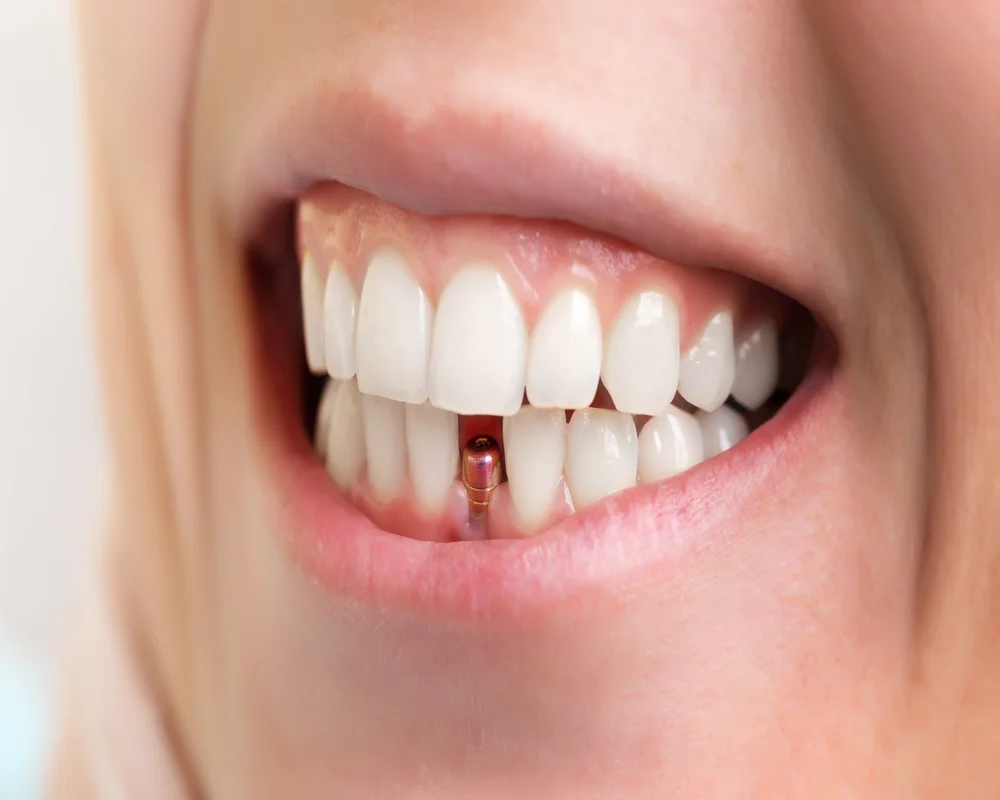
This guide explains why gum health matters so much for implants, what treating gum disease first involves, and how the two connect. It is general information, and your own plan follows an examination. For the wider picture, see our overview of dental implants in Thornhill, and our page on gum disease treatment.
Why Gum Health Matters for Implants
An implant is held in place by the bone and gum around it, so the health of those tissues is central to success. When gum disease is active, the gum and the bone that supports teeth are under attack from infection, which is exactly the environment an implant needs to avoid.
Placing an implant into unhealthy tissue would be building on a weak foundation. That is why dentists want to see gum disease treated and stabilised first, so the implant goes into a healthy, stable site with the best chance of integrating well and lasting.
The Link Between Gum Disease and Tooth Loss
Gum disease is one of the leading reasons adults lose teeth. As the infection progresses, it can damage the bone and ligament that hold teeth in place, eventually leading to loose teeth or extractions. Many people considering implants are in that position precisely because gum disease has cost them a tooth.
This connection means implant planning and gum health are closely linked. Addressing the gum disease is not just a box to tick before implants; it is about tackling the underlying problem so that history does not simply repeat itself around a new implant.
Treating Gum Disease First
If you have active gum disease, your dentist will usually recommend treating it before placing an implant. Depending on the severity, this can involve professional cleaning below the gumline (scaling and root planing), improved home care, and in some cases more advanced periodontal treatment.
The aim is to bring the infection under control, reduce inflammation, and create a stable, healthy environment. Our page on periodontics and gum treatment explains these treatments, which at MiNa are available in-house, making it easier to coordinate with implant planning.
Peri-Implant Disease: Protecting the New Implant
There is an important reason gum disease matters even after an implant is placed: implants can be affected by their own form of gum problem, sometimes called peri-implant disease, which affects the tissues around an implant much as gum disease affects those around teeth.
People with a history of gum disease can be more prone to this, which is why ongoing cleaning and regular check-ups are so important after treatment. Controlling gum disease first, and maintaining good habits afterwards, protects your investment. Our guide on caring for implants covers the routine.
Bone Loss and Implants
Gum disease often goes hand in hand with bone loss, and enough healthy bone is needed to support an implant. If the disease has reduced the bone in an area, your dentist may discuss bone grafting before implant placement to rebuild a stable foundation.
Imaging during planning shows how much bone is present and whether grafting is needed. This is a routine part of planning for many patients who have experienced gum disease, and it is aimed at giving the implant solid support.
Working With a Team That Handles Both
One advantage of having gum treatment and implants under one roof is coordination. When the same team manages your periodontal care and your implant, the timing and the plan can flow together, rather than being split across separate offices with separate records.
At MiNa Family Dentistry, Dr. Mehdi Adibrad, a periodontist and dental surgeon with an MSc in Periodontics and Implantology, leads both the gum and implant surgical care. This makes it more straightforward to treat gum disease and plan implants as one connected journey.
The Path Forward
If you have gum disease and want implants, the sensible path is usually: assess and treat the gum disease, stabilise your gum and bone health, address any bone loss if needed, and then plan the implant into a healthy site. It takes a little longer, but it is aimed squarely at a lasting result.
The key message is hopeful: gum disease is often a reason people need implants, not a reason they cannot have them. With the right sequence of care, many patients go on to have successful implants, though individual results vary.
A Hopeful Way to See It
It is easy to hear 'you need your gum disease treated first' and feel discouraged, as though implants are being put out of reach. It is more accurate, and more hopeful, to see it the other way around: treating your gums is the very thing that makes a lasting implant possible. You are not being turned away; you are being set up to succeed.
There is also a wider benefit. Getting your gum disease under control improves your overall oral health, protects the teeth you still have, and reduces the inflammation that can affect the rest of your body. So the step before implants is worthwhile in its own right, whatever you eventually decide about implant treatment.
Start With an Assessment at MiNa
The first step is an examination to assess your gums, bone, and overall health. From there, your dentist can lay out a plan that puts your gum health first. Implant and periodontal care at MiNa is led by Dr. Mehdi Adibrad, alongside Dr. Neda Kadivar.
To get started, request a consultation or call (289) 597-7191. MiNa Family Dentistry is at 7191 Yonge St, Unit 205, Thornhill, ON L3T 0C4. This page is general information and is not a substitute for a personal examination.
Further Reading
Canadian Dental Association: oral health informationFrequently Asked Questions
Ready to get started?
MiNa Family Dentistry
7191 Yonge St Unit 205, Thornhill, ON L3T 0C4
(289) 597-7191
Mon–Thu 9:00 AM–6:00 PM | Fri 9:00 AM–3:00 PM