

Signs of a Failing Dental Implant: What to Watch For
Dental implants have a strong track record, and most settle in and cause no trouble for many years. But like any treatment, they are not immune to problems, and knowing what to watch for helps you act early if something is not right. Catching an issue sooner rather than later usually makes it far easier to manage.
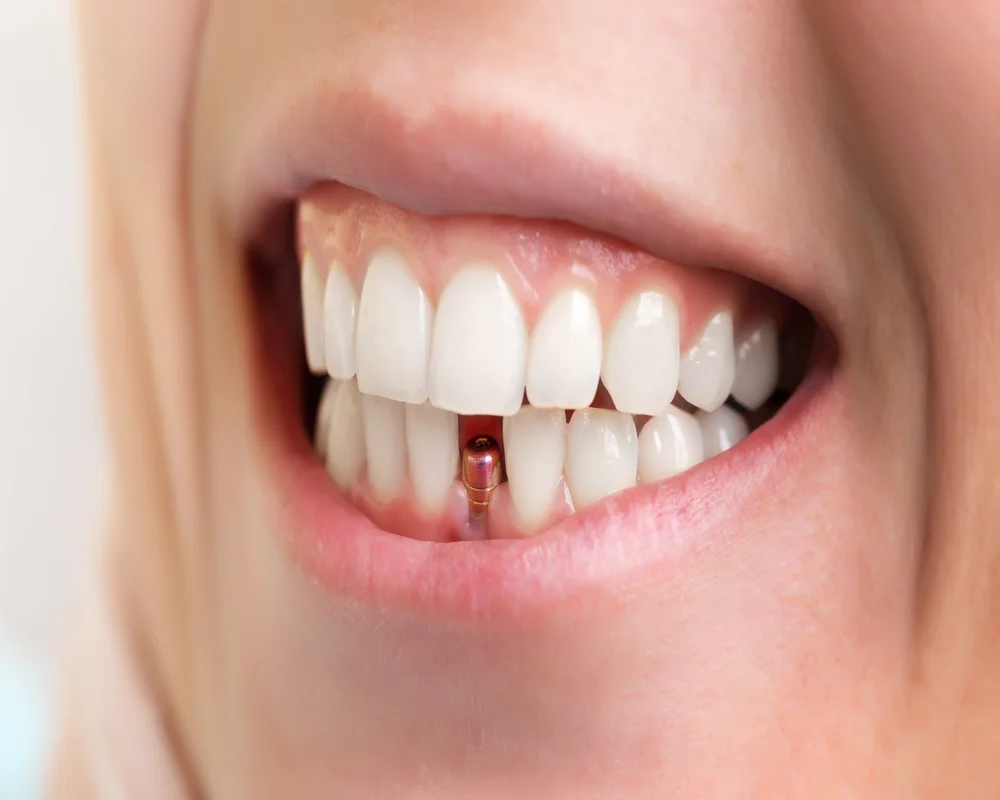
This guide explains the signs worth paying attention to, what can lie behind them, and when to contact your dentist. It is written to inform, not to alarm, and it is general information rather than a diagnosis — only your dentist can assess what is actually happening. For the wider picture, see our overview of dental implants in Thornhill.
First, Some Reassurance
It is worth saying clearly at the start: implant problems are relatively uncommon, and many of the signs below can have simple, treatable causes. A little tenderness after a cleaning, or mild gum irritation, does not mean your implant is failing. The point of knowing these signs is not to worry, but to help you recognise when a check is worthwhile.
It also helps to remember that early attention is your friend. Most issues around implants are far easier to address when they are caught early, which is exactly why paying attention to changes, and keeping up with check-ups, is so valuable.
Signs Worth Paying Attention To
Contact your dentist, without trying to diagnose the cause yourself, if you notice any of the following around an implant:
- Persistent redness, swelling, or tenderness of the gum around the implant.
- Bleeding when you brush or clean around the implant.
- A feeling that the implant, crown, or restoration is loose or moving.
- Ongoing discomfort or pain that does not settle.
- Gum receding around the implant, or the implant looking longer.
- A persistent bad taste or bad breath coming from the area.
Early vs. Later Problems
Implant problems are sometimes grouped by when they happen. Early issues occur around the time of placement or before the implant has fully integrated, and can relate to healing or the bone bonding to the implant. Later issues develop after an implant has been working well for a while, often linked to the health of the gum and bone around it.
The signs can overlap, which is why it is not helpful to try to work out the cause yourself. What matters is recognising that something has changed and letting your dentist assess it. They can determine whether it is minor and easily managed or something that needs more attention.
Gum Disease Around Implants
One of the more common reasons for later implant problems is inflammation of the tissues around the implant, broadly similar to gum disease around natural teeth. In its early stage this affects the gum; if left unchecked, it can progress to affect the supporting bone.
The encouraging news is that this is largely preventable with good daily cleaning and regular check-ups, and early inflammation can often be turned around. This is a major reason why cleaning around an implant, as covered in our guide to caring for implants, matters so much.
What Might Be Behind the Signs
Several factors can contribute to problems around implants, and your dentist considers these when assessing you. Plaque build-up and gum inflammation are common threads, as is smoking, which affects healing and long-term gum health.
Other contributors can include heavy grinding or clenching that overloads the restoration, and general health factors that affect the tissues. Understanding the likely cause helps guide the right response, which is another reason a professional assessment is important rather than guesswork.
What to Do If You Notice a Sign
If you spot any of the signs above, the best step is simple: book an appointment and have it checked. There is no need to panic, and there is no benefit in waiting to see if it goes away, because early attention usually means simpler treatment.
In the meantime, keep cleaning the area gently as usual unless your dentist advises otherwise, and avoid poking or testing the implant, which will not help. Your dentist can examine the area, take images if needed, and explain what is happening.
Preventing Problems in the First Place
Much of what keeps an implant healthy is within your control. Daily cleaning around the implant, regular professional cleanings and check-ups, not smoking, and protecting against heavy grinding all reduce the risk of problems developing.
Regular visits are especially valuable because they let your dentist spot early changes before you would notice them yourself. Think of them as routine maintenance that helps your implant keep doing its job for as long as possible, though individual results vary.
How Problems Are Assessed and Treated
If you come in with a concern about an implant, your dentist will start by examining the area and, where helpful, taking images to see what is happening around and beneath the gum. This tells them whether the issue is with the gum, the bone, the restoration, or the implant itself, which guides what happens next.
The response depends entirely on what is found. Early gum inflammation might be managed with a professional clean and improved home care, while a loose restoration may simply need attention to the crown or its connection. More involved situations are explained clearly so you understand the options. The reassuring theme is that catching things early usually means simpler treatment, which is the whole reason these signs are worth knowing.
Concerned About Your Implant? Contact MiNa
If you are worried about an implant, the team at MiNa Family Dentistry can assess it. Implant care is led by Dr. Mehdi Adibrad, a periodontist and dental surgeon with an MSc in Periodontics and Implantology, alongside Dr. Neda Kadivar.
To have an implant checked, request an appointment or call (289) 597-7191. MiNa Family Dentistry is at 7191 Yonge St, Unit 205, Thornhill, ON L3T 0C4. This page is general information and is not a diagnosis or a substitute for a personal examination.
Further Reading
Canadian Dental Association: oral health informationFrequently Asked Questions
Ready to get started?
MiNa Family Dentistry
7191 Yonge St Unit 205, Thornhill, ON L3T 0C4
(289) 597-7191
Mon–Thu 9:00 AM–6:00 PM | Fri 9:00 AM–3:00 PM