

Mini vs Standard Dental Implants: What's the Difference?
As you research dental implants, you may see references to 'mini' implants alongside standard ones and wonder what the difference is, and whether smaller means better or cheaper. The short version is that mini implants are narrower than standard implants and are used in particular situations, but standard implants remain the mainstay of implant dentistry for good reasons.
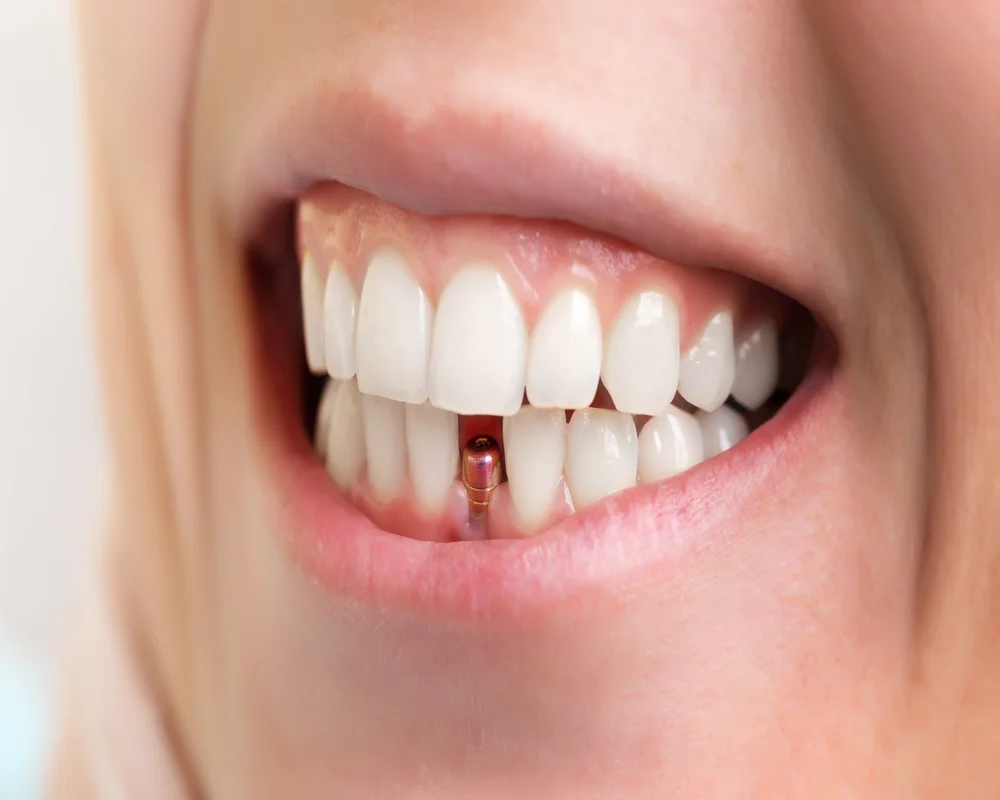
This guide explains how mini and standard implants compare, when each tends to be used, and why the right choice depends on your situation. It is general information; the best option for you is decided after an examination. For the wider picture, see our overview of dental implants in Thornhill.
What Is a Standard Implant?
A standard dental implant is the type used in most implant treatment. It is a titanium post of a typical diameter, placed into the jawbone to replace a tooth root, and it usually comes in two pieces — the implant and a separate abutment that connects to the crown.
Standard implants have a long, extensively studied track record and are versatile enough to handle a wide range of cases, from single teeth to full-arch restorations. For most people, a standard implant is the well-proven, dependable choice, which is why it is the mainstay of the field.
What Is a Mini Implant?
A mini dental implant is narrower than a standard implant, and is often a single piece rather than two. Because of its smaller diameter, it may be used in situations where space or bone width is limited, or for specific purposes such as helping to stabilise a lower denture.
Mini implants can sometimes allow a less involved procedure in the right circumstances. However, their narrower size means they are not suited to every situation, and they are used more selectively than standard implants rather than as a general replacement for them.
How They Compare
Both have their place, and the differences are practical rather than one being simply better. This table gives a general sense of how they compare.
| Factor | Standard implant | Mini implant |
|---|---|---|
| Diameter | Typical width | Narrower |
| Construction | Often two pieces | Often one piece |
| Track record | Long, extensively studied | More selective use |
| Common uses | Wide range of cases | Limited space; denture stabilising |
When a Mini Implant Might Be Used
Mini implants tend to be considered in specific circumstances rather than as a default. They may be an option where there is limited bone width and grafting is not preferred, in certain narrow spaces, or to help hold a lower denture more securely.
In these situations, a mini implant can be a useful tool. Your dentist weighs whether it suits your particular case, or whether a standard implant — possibly with grafting to build the site — would give a more robust long-term result.
When a Standard Implant Is Preferred
For most single-tooth and multiple-tooth replacements, a standard implant is preferred because of its strength, versatility, and long track record. It handles the forces of chewing well and suits the widest range of situations.
If the concern is insufficient bone, the usual approach is to build the site with bone grafting so a standard implant can be placed, rather than defaulting to a narrower implant. Whether that is right for you is a decision to make with your dentist.
Is Smaller Cheaper or Better?
It is tempting to assume a smaller implant is simply a cheaper or easier version, but that is not the right way to think about it. Mini and standard implants are different tools for different jobs, and cost depends on the specifics of your treatment rather than size alone.
The most important question is not which is smaller or cheaper, but which is the right choice for your mouth and your goals. That is exactly what an examination and a conversation with your dentist are for.
Getting the Right Recommendation
Because the choice depends on your bone, the position of the tooth, and what the implant needs to do, it is not something to decide from an article. Imaging and an examination let your dentist see what your situation calls for and recommend accordingly.
At MiNa Family Dentistry, implant surgery is led by Dr. Mehdi Adibrad, a periodontist and dental surgeon with an MSc in Periodontics and Implantology, who can explain which approach genuinely suits your case.
Do Not Choose on Size Alone
If there is one thing to take away, it is that 'mini' and 'standard' are not grades of quality, with smaller meaning lesser or cheaper. They are different tools, each with situations where it shines. Choosing an implant on size alone would be a bit like choosing a vehicle by how compact it is, without asking what you need it to do.
The better question is always about fit: what does your bone, your missing tooth, and your goal call for? A narrow implant may be perfect in one mouth and unsuitable in another. That is why the recommendation belongs with your dentist after an examination, not with a headline comparison, however tidy that comparison looks on paper.
It is also worth being a little cautious about advertising that leans heavily on one option as a shortcut or a bargain. A responsible clinic will talk about what suits your case rather than pushing a single product, and will be happy to explain why they are recommending what they recommend. If a choice is ever framed purely around being smaller, quicker, or cheaper, it is fair to ask how it fits your particular mouth.
Discuss Your Options at MiNa
To find out which type of implant suits you, the best step is an assessment. Implant care at MiNa is led by Dr. Mehdi Adibrad, alongside Dr. Neda Kadivar.
To book, request a consultation or call (289) 597-7191. MiNa Family Dentistry is at 7191 Yonge St, Unit 205, Thornhill, ON L3T 0C4. This page is general information and is not a substitute for a personal examination.
Further Reading
Canadian Dental Association: oral health informationFrequently Asked Questions
Ready to get started?
MiNa Family Dentistry
7191 Yonge St Unit 205, Thornhill, ON L3T 0C4
(289) 597-7191
Mon–Thu 9:00 AM–6:00 PM | Fri 9:00 AM–3:00 PM