

What Is Peri-Implantitis? Causes, Signs, and Prevention
If you have dental implants, or are considering them, you may have come across the word 'peri-implantitis'. It sounds alarming, but understanding it is genuinely reassuring, because it is largely preventable and, when caught early, manageable. In simple terms, peri-implantitis is a form of gum problem that affects the tissues around an implant.
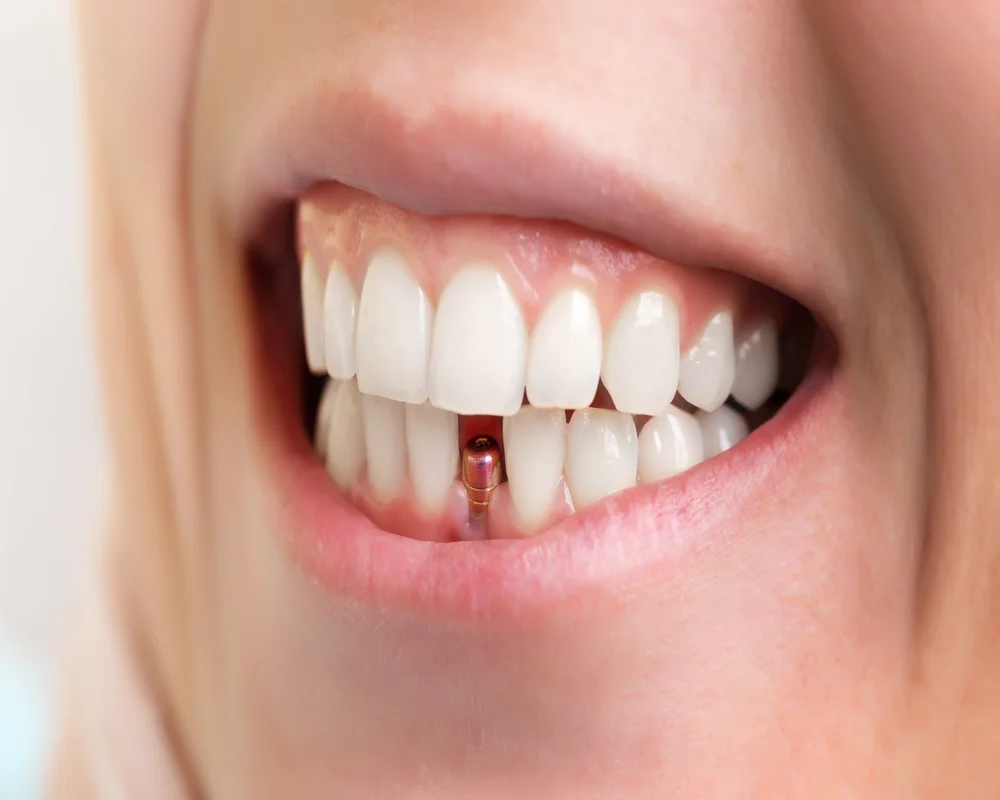
This guide explains what peri-implantitis is, what causes it, the signs to watch for, and — most importantly — how to prevent it. It is general information and not a diagnosis; only your dentist can assess what is happening around your implant. For the wider picture, see our overview of dental implants in Thornhill.
Peri-Implantitis Explained Simply
Peri-implantitis is inflammation of the tissues around a dental implant that also affects the supporting bone. It is broadly similar to gum disease around natural teeth: plaque builds up, the gum becomes inflamed, and if it is not addressed, the problem can progress to affect the bone that holds the implant in place.
There is usually an earlier, milder stage that affects only the gum, sometimes called peri-implant mucositis. Caught at this point, it can often be reversed with better cleaning and a professional clean. Peri-implantitis is the more advanced stage where bone is involved, which is why catching things early matters so much.
What Causes It
The main driver of peri-implantitis is plaque building up around the implant and not being cleaned away, which leads to inflammation of the surrounding tissue. In that sense, the cause is much the same as for gum disease around natural teeth.
Some factors make it more likely. A history of gum disease, smoking, poorly-controlled diabetes, and inconsistent cleaning or missed check-ups all raise the risk. Understanding these helps explain why prevention focuses so heavily on cleaning, healthy habits, and regular professional care.
Signs to Watch For
Peri-implantitis does not always cause obvious pain early on, which is one reason regular check-ups are valuable. Still, there are signs worth noticing, and if you spot any, it is best to contact your dentist rather than trying to work out the cause yourself:
- Redness, swelling, or tenderness of the gum around the implant.
- Bleeding when you clean around the implant.
- Gum receding around the implant, or it appearing longer.
- A bad taste or persistent bad breath from the area.
- In more advanced cases, a loose feeling around the implant.
Why Early Attention Matters
The reason dentists emphasise catching problems early is simple: the earlier peri-implant inflammation is addressed, the easier it is to manage. At the early, gum-only stage, improved cleaning and a professional clean can often turn things around before the bone is affected.
Once bone is involved, treatment becomes more involved, which is why you should not wait to see if a sign passes. This is also why regular check-ups are so worthwhile — your dentist can spot early changes around an implant before you would notice them yourself.
How It Is Treated
Treatment depends on how advanced the problem is. Early inflammation is often managed with a thorough professional clean around the implant and improved home care. More advanced peri-implantitis may need additional treatment to clean the area beneath the gum and address the affected tissues.
Because these situations vary, your dentist will assess your specific case and explain the options. At MiNa Family Dentistry, this care is led by Dr. Mehdi Adibrad, a periodontist and dental surgeon with an MSc in Periodontics and Implantology, whose focus includes the health of the tissues around implants and teeth.
Preventing Peri-Implantitis
The good news is that prevention is largely in your hands, and it is not complicated. A consistent routine protects the tissues around your implant and greatly reduces the risk of problems:
- Clean around the implant every day, using floss designed for implants or interdental brushes.
- Attend regular professional cleanings and check-ups.
- Avoid smoking, which raises the risk of peri-implant problems.
- Manage conditions such as diabetes with your medical team.
- Report any early signs to your dentist promptly.
The Reassuring Bottom Line
It is worth ending on a balanced note. Peri-implantitis is a real condition to be aware of, but implants have a strong track record, and most people who look after their implants never develop it. Knowing the signs and keeping up good habits is not about worrying; it is about giving your implant the best chance of a long, healthy life.
Our guides on how to clean dental implants and the signs of a failing implant are useful companions to this one, covering the day-to-day care and the wider warning signs in more detail.
Everyday Care Is the Best Defence
It is worth underlining how much everyday habits do the heavy lifting here. Peri-implantitis is not something that strikes at random; it develops where plaque is allowed to build up and inflammation goes unchecked. That means the humble routine of cleaning around your implant each day is, quite literally, the main thing standing between you and this condition.
None of this needs to feel like a burden. A couple of minutes a day, the right small tools, and a check-up at the interval your dentist suggests add up to strong protection. Patients who keep up these habits very often go for many years with no trouble at all, which is exactly the outcome the whole approach is designed to produce. If you are ever unsure whether you are cleaning the area well enough, your hygienist can check your technique and suggest small adjustments that make a real difference.
Concerned About Your Implant? Contact MiNa
If you are worried about the gum around an implant, the team at MiNa can assess it. Implant and periodontal care is led by Dr. Mehdi Adibrad, alongside Dr. Neda Kadivar.
To have an implant checked or to book a cleaning, request an appointment or call (289) 597-7191. MiNa Family Dentistry is at 7191 Yonge St, Unit 205, Thornhill, ON L3T 0C4. This page is general information and is not a diagnosis or a substitute for a personal examination.
Further Reading
Canadian Dental Association: oral health informationFrequently Asked Questions
Ready to get started?
MiNa Family Dentistry
7191 Yonge St Unit 205, Thornhill, ON L3T 0C4
(289) 597-7191
Mon–Thu 9:00 AM–6:00 PM | Fri 9:00 AM–3:00 PM