
What to Eat After Dental Implant Surgery: A Practical Guide
In the days after implant surgery, what you eat really does matter. The right foods keep you comfortable, protect the healing area, and give your body what it needs to recover, while the wrong ones can irritate the site or disturb it before it has settled.
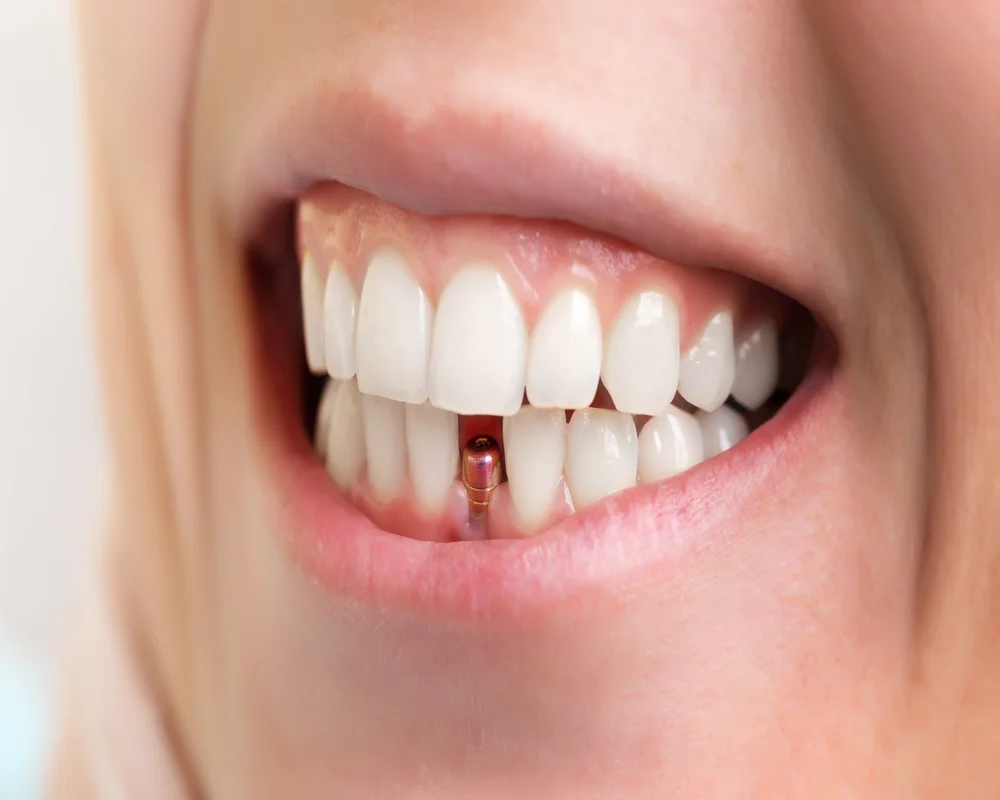
This guide walks through what to eat at each stage of recovery, foods to avoid for a while, and simple ways to stay well-nourished when chewing is limited. It is general advice — your dentist will give you instructions specific to your treatment. For the bigger picture, see our overview of dental implants in Thornhill and the step-by-step dental implant procedure.
Why Food Choices Matter After Surgery
After an implant is placed, the area needs time to settle and begin healing. Soft, gentle foods reduce the pressure on the site and lower the chance of irritating it, while very hard, crunchy, or sticky foods can do the opposite.
Good nutrition also supports healing. Getting enough protein, vitamins, and fluids helps your body repair tissue, so the goal is not just to avoid trouble but to keep eating well even when your options are temporarily narrower.
The First 24 to 48 Hours
For the first day or two, stick to cool or lukewarm, soft foods that need no chewing. This is the most sensitive period, and keeping things simple protects the area while any initial tenderness settles.
Good choices in this window include:
- Smooth yogurt, pudding, and custard.
- Cool soups and broths (not hot).
- Smoothies and milkshakes — spooned or sipped, not through a straw.
- Mashed potato, cooled slightly.
- Apple sauce and other smooth purees.
Why to Avoid Straws Early On
It is worth a special mention: avoid drinking through a straw in the early days. The suction can disturb the surgical site and the blood clot that forms as part of healing, which is something you want to protect.
For the same reason, your dentist will usually advise against vigorous rinsing, spitting, and smoking in this period, all of which can interfere with the area as it begins to heal.
Days Three to Seven: Easing Back In
As the first few days pass and comfort improves, you can gradually add slightly more texture, while still keeping meals soft and easy to manage. Warm (not hot) foods are usually fine by now.
Think scrambled eggs, oatmeal, well-cooked pasta, soft fish, cooked and mashed vegetables, and tender, slow-cooked meats cut small. Chew on the opposite side from the surgical area where you can, and stop if anything feels uncomfortable.
Foods to Avoid While You Heal
Some foods are best left for later in recovery, because they can irritate the site, get lodged in it, or put too much force on the area:
- Hard or crunchy foods such as nuts, chips, and raw crunchy vegetables.
- Sticky foods such as toffee and chewing gum.
- Small, hard particles like seeds and popcorn kernels that can lodge in the area.
- Very hot foods and drinks in the first day or two.
- Spicy or acidic foods if they cause discomfort near the site.
Staying Nourished and Hydrated
When chewing is limited, it can be easy to under-eat. Aim to keep meals nutritious rather than just soft — adding protein powder to a smoothie, choosing Greek yogurt, or blending vegetables into a soup all help you keep your intake up.
Drink plenty of water throughout the day, and be gentle around the site. If you find you are struggling to eat enough for more than a couple of days, let your dentist know so they can advise.
When You Can Return to Normal Eating
Most people gradually return to their usual diet over one to two weeks, but this varies with the individual and the extent of treatment. Cases that involved extractions or bone grafting may take a little longer, and your dentist will guide you.
Let comfort be your guide, reintroduce firmer foods slowly, and contact the clinic if you notice ongoing pain, swelling that is getting worse, or bleeding that does not settle. Our guide to caring for your implants covers the longer-term routine once you have healed.
Simple Meal Ideas for the First Week
It helps to have a few easy options ready before your appointment, so you are not shopping for soft food while you are sore. A little preparation makes the first few days much smoother, and it means you are more likely to keep eating well rather than skipping meals.
Here are gentle, nourishing ideas that need little or no chewing, grouped across a typical day so you can picture it:
- Breakfast: smooth oatmeal, Greek yogurt with a little honey, or a fruit smoothie eaten with a spoon rather than a straw.
- Lunch: a blended vegetable soup with soft bread soaked in it, or mashed potato with gravy.
- Dinner: soft scrambled eggs, well-cooked pasta with a smooth sauce, or flaked soft fish with mashed vegetables.
- Snacks: apple sauce, pudding, ripe banana, cottage cheese, or a protein shake for extra nutrition.
- Keep several of these stocked so a healthy, soft meal is always within easy reach during the first week.
Listening to Your Body as You Heal
Everyone heals at a slightly different pace, so use comfort as your guide rather than a fixed calendar. If a food feels fine, it probably is; if something causes discomfort near the site, set it aside and try again in a few days.
Reintroduce firmer textures gradually rather than all at once, and keep chewing away from the surgical area until it feels ready. If you are ever unsure whether you are pushing too fast, it is always reasonable to check with the clinic before adding something back.
Questions? MiNa Family Dentistry Can Help
Implant care at MiNa is led by Dr. Mehdi Adibrad, a periodontist and dental surgeon with an MSc in Periodontics and Implantology, alongside Dr. Neda Kadivar. If you are unsure what to eat after your procedure, the team will give you clear, personalised advice.
To book or ask a question, request an appointment or call (289) 597-7191. MiNa Family Dentistry is at 7191 Yonge St, Unit 205, Thornhill, ON L3T 0C4. This page is general information and is not a substitute for your dentist's instructions.
Further Reading
Canadian Dental Association: oral health informationFrequently Asked Questions
Ready to get started?
MiNa Family Dentistry
7191 Yonge St Unit 205, Thornhill, ON L3T 0C4
(289) 597-7191
Mon–Thu 9:00 AM–6:00 PM | Fri 9:00 AM–3:00 PM