

Dental Implant Stitches: What to Expect and How to Care for Them
Stitches, or sutures, are a common part of dental implant surgery, and it is natural to have questions about them: will I have them, will they need removing, and how do I look after them? Understanding what stitches do and how they are cared for takes away a lot of the mystery and helps your recovery go smoothly.
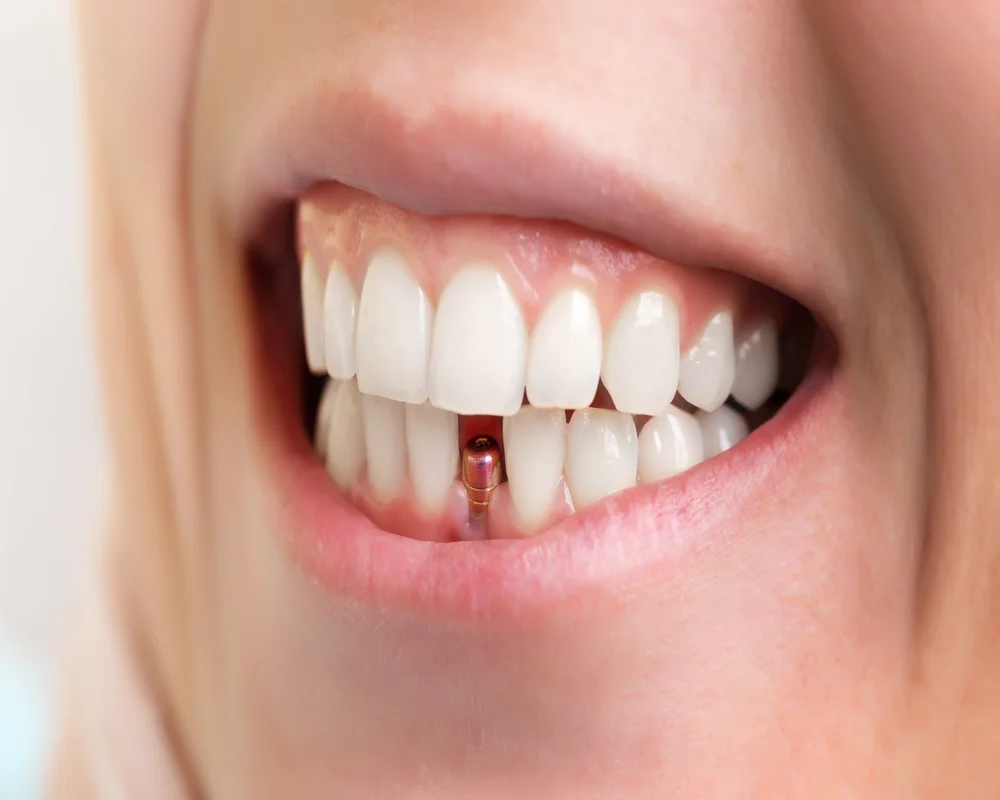
This guide explains why stitches are used, the difference between dissolvable and removable ones, and how to care for the area. It is general information and not a substitute for your dentist's specific instructions. For the wider picture, see our guides on the recovery timeline and managing discomfort.
Why Stitches Are Used
During implant surgery, your dentist often needs to open the gum to place the implant and then close it again afterward. Stitches hold the gum tissue in position while it heals, keeping the edges together so the area can knit back together cleanly.
In other words, stitches are there to support healing. By holding the gum securely over or around the implant site, they help protect the area and encourage it to heal in the right position. They are a routine, well-established part of the process.
Dissolvable vs. Removable Stitches
There are two main types of stitches your dentist might use, and which you have affects what happens next. Dissolvable (resorbable) stitches break down and disappear on their own over time, so they do not need to be taken out. Removable (non-resorbable) stitches stay in place until your dentist removes them at a follow-up appointment.
Your dentist will tell you which type you have and what to expect. If you have dissolvable stitches, there is nothing to remove; if you have removable ones, you will usually have a short appointment to take them out once the area has healed enough.
How Long Stitches Stay
How long stitches remain depends on the type and your dentist's approach. Dissolvable stitches typically break down over a period of days to a couple of weeks, though the exact time varies. Removable stitches are usually taken out at a follow-up visit, often within a week or two of surgery.
Your dentist will let you know the plan for your stitches, including whether and when you need to come back. If you are ever unsure what type you have or what to expect, it is fine to ask.
Caring for the Area With Stitches
Looking after the area while stitches are in place helps healing and keeps things comfortable. Your dentist will give you specific instructions, which commonly include:
- Keeping the area clean gently, as directed, without vigorous brushing over the stitches.
- Avoiding poking or touching the stitches with your tongue or fingers.
- Eating soft foods and chewing away from the area early on.
- Avoiding vigorous rinsing, straws, and smoking, which can disturb the site.
Is It Normal to Feel the Stitches?
It is quite normal to be aware of stitches with your tongue, and they can feel a little strange at first. This is nothing to worry about, and most people get used to them quickly. It is best, though, to resist the temptation to play with them, as this can loosen them or irritate the area.
You might also notice a stitch feels looser as healing progresses or, with dissolvable ones, begins to come away — this can be part of the normal course. If you are unsure whether what you are feeling is normal, your dentist can reassure you.
If a Stitch Comes Loose Early
Occasionally a stitch may come loose or come out earlier than expected, for example if it is disturbed by eating or touching the area. This is not usually an emergency, but it is worth contacting your dentist to let them know and check whether anything needs doing.
Do not try to replace or fix a stitch yourself. Your dentist can advise whether it matters in your case — often, if the area has healed enough, an early-loosened stitch is not a problem, but it is best to check rather than assume.
Having Stitches Removed
If you have removable stitches, having them taken out is usually quick and straightforward. At a short follow-up appointment, your dentist removes the stitches once the gum has healed sufficiently, which most people find causes little or no discomfort.
This visit is also a chance for your dentist to check that the area is healing well. If you have dissolvable stitches, you may still have a follow-up to review healing, even though there is nothing to remove. Your dentist will explain your particular follow-up plan.
Nothing to Fear About Stitches
For many people, stitches are one of the more unfamiliar parts of oral surgery, and unfamiliar things can feel more daunting than they are. In reality, dental stitches are a routine, well-established way of helping the gum heal, and they ask very little of you beyond gentle care and, in some cases, a quick visit to have them removed.
Understanding the basics — why they are there, whether yours dissolve or need removing, and how to look after the area — usually removes any anxiety. If you are ever unsure what type you have or whether something you are feeling is normal, a quick question to your dentist settles it. Stitches are simply part of the toolkit that helps your implant site heal cleanly, and they are nothing to worry about.
Questions? Ask MiNa Family Dentistry
If you have questions about stitches or healing after your procedure, the team at MiNa can help. Implant care is led by Dr. Mehdi Adibrad, a periodontist and dental surgeon with an MSc in Periodontics and Implantology, alongside Dr. Neda Kadivar.
To book or ask a question, request an appointment or call (289) 597-7191. MiNa Family Dentistry is at 7191 Yonge St, Unit 205, Thornhill, ON L3T 0C4. This page is general information and is not a substitute for your dentist's instructions.
Further Reading
Canadian Dental Association: oral health informationFrequently Asked Questions
Ready to get started?
MiNa Family Dentistry
7191 Yonge St Unit 205, Thornhill, ON L3T 0C4
(289) 597-7191
Mon–Thu 9:00 AM–6:00 PM | Fri 9:00 AM–3:00 PM