

Managing Discomfort After Dental Implant Surgery
One of the most common worries before dental implant treatment is pain: how much will it hurt, and how will I cope afterward? It is a completely understandable concern, and the reassuring reality is that most people find implant surgery more comfortable than they expected, and that any discomfort afterward is usually mild and manageable.
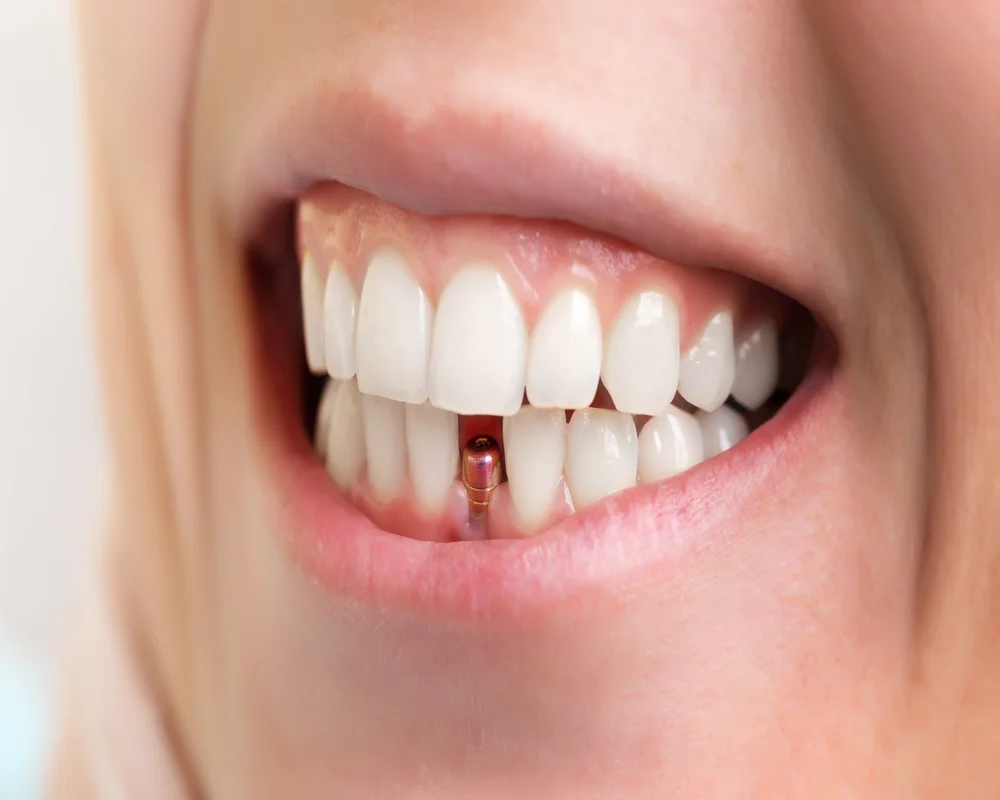
This guide explains what to expect in terms of discomfort, how it is managed, and simple ways to stay comfortable while you heal. It is general information and not a substitute for your dentist's specific instructions, which always take priority. For the wider picture, see our overview of dental implants in Thornhill.
What to Expect: Comfort During Surgery
First, the surgery itself. Implant placement is carried out under local anaesthetic, so the area is fully numb during the procedure. You should not feel pain while the implant is placed, though you may be aware of some pressure or movement, which is normal.
Many people are pleasantly surprised by how straightforward the experience is, often comparing it to having a tooth removed. Knowing that the area is properly numbed helps a lot of the anxiety fade once treatment begins.
What to Expect: The First Few Days
Once the anaesthetic wears off, some discomfort, swelling, and tenderness around the site are normal in the first few days. For most people this is mild to moderate and settles steadily, rather than being severe. It is usually described as manageable soreness rather than significant pain.
The first 48 hours or so tend to be the peak, after which things generally improve day by day. Everyone is different, and how much you feel depends on the extent of your treatment, but severe or worsening pain is not the typical experience.
How Discomfort Is Managed
For most patients, any discomfort after implant surgery is managed with over-the-counter pain relief, taken as your dentist advises. Your dentist will give you specific guidance on what to take and when, tailored to your situation and health.
It is important to follow that advice rather than improvising, and to mention any medications or health conditions so your dentist can recommend what is suitable for you. Taking pain relief as directed, before discomfort builds, often keeps you more comfortable than waiting until it is intense.
Simple Ways to Stay Comfortable
Alongside any pain relief, a few simple measures help you stay comfortable in the first days. These are the kinds of steps your dentist is likely to recommend:
- Rest and take it easy for the first day or two.
- Use a cold compress on the outside of the cheek, as advised, to help with swelling.
- Stick to cool, soft foods and avoid the surgical area when chewing.
- Keep your head slightly elevated, including when resting.
- Avoid smoking, straws, and vigorous rinsing, which can disturb the site.
Managing Swelling
Swelling often goes hand in hand with discomfort in the first days, and it is a normal part of healing rather than a sign of a problem. Using a cold compress on the outside of the cheek in the early period, as your dentist advises, can help keep it down.
Swelling typically peaks in the first couple of days and then gradually settles. Like discomfort, it is usually manageable and improves steadily. If it worsens rather than improving after the first few days, that is worth checking with your dentist.
When Discomfort Is Not Typical
While mild, improving discomfort is expected, there are signs worth acting on. Contact your dentist, rather than simply enduring it, if you have severe pain that is not helped by the pain relief you were advised to take, pain that worsens after the first few days instead of improving, or swelling that keeps increasing.
These are not the usual course of things, and it is always better to check than to wait. Your dentist would far rather hear from you and reassure you, or address an issue early, than have you struggle on unnecessarily.
Looking After Yourself Helps
Comfort and healing go together, so the things that support recovery also help you feel better. Following your aftercare instructions, eating gentle foods, keeping the area clean as directed, resting, and avoiding smoking all contribute to a smoother, more comfortable recovery.
Our guides on what to eat after implant surgery and the implant recovery timeline cover these stages in more detail, so you know what to expect as you heal.
Do Not Let Fear of Pain Hold You Back
Fear of pain is one of the most common reasons people put off dental treatment they would genuinely benefit from. If that is you, it is worth knowing that the reality of implant surgery is usually far gentler than the anxiety that surrounds it. The area is numbed for the procedure, and the discomfort afterward is, for most people, mild and short-lived.
It can also help to talk about it. If you are nervous, telling your dentist means they can explain each step, discuss how discomfort will be managed, and put you at ease before anything begins. Many patients say afterward that the anticipation was the hardest part, and that they wished they had not waited so long. There is no need to face a missing tooth just because of a fear that is usually bigger than the reality.
Questions? MiNa Family Dentistry Can Help
If you are anxious about discomfort, talking it through beforehand often helps. Implant care at MiNa is led by Dr. Mehdi Adibrad, a periodontist and dental surgeon with an MSc in Periodontics and Implantology, alongside Dr. Neda Kadivar.
To book or ask a question, request an appointment or call (289) 597-7191. MiNa Family Dentistry is at 7191 Yonge St, Unit 205, Thornhill, ON L3T 0C4. This page is general information and is not a substitute for your dentist's instructions.
Further Reading
Canadian Dental Association: oral health informationFrequently Asked Questions
Ready to get started?
MiNa Family Dentistry
7191 Yonge St Unit 205, Thornhill, ON L3T 0C4
(289) 597-7191
Mon–Thu 9:00 AM–6:00 PM | Fri 9:00 AM–3:00 PM