

Dental Implants and Teeth Grinding (Bruxism)
If you grind or clench your teeth — a habit known as bruxism — you may wonder whether that rules out dental implants, or puts them at risk. It is a sensible question, because grinding places extra force on teeth and any restorations. The good news is that bruxism does not usually prevent implants; it is something your dentist plans around and manages.
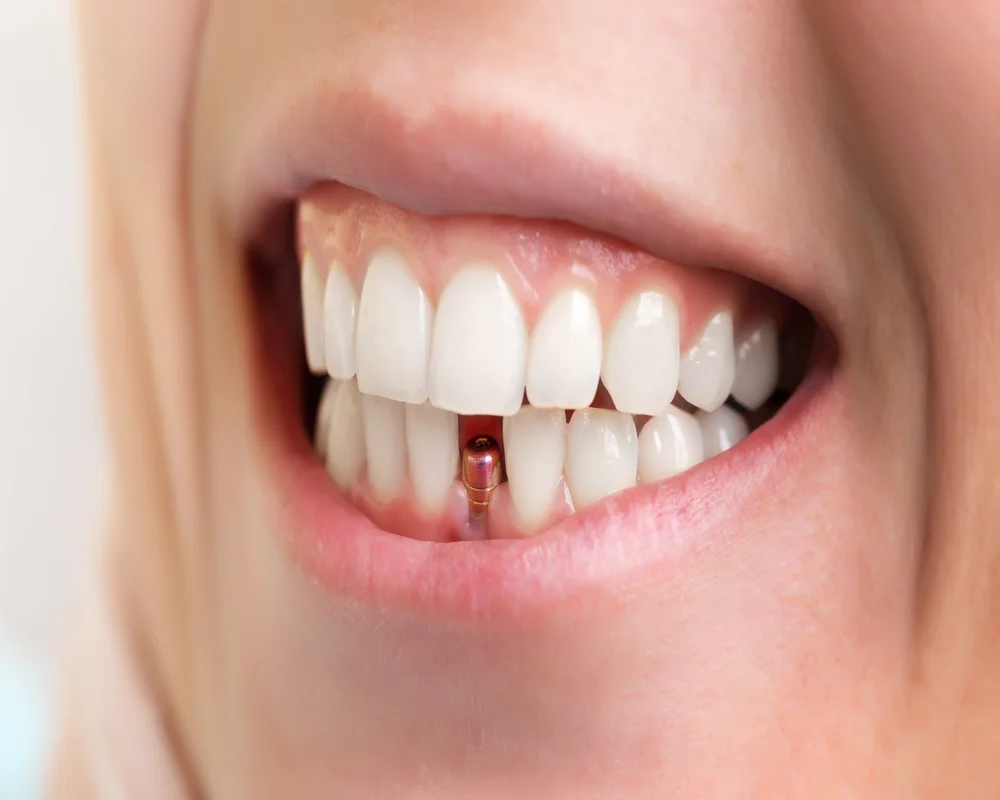
This guide explains how teeth grinding affects implants, how it is managed, and why a night guard is often part of the picture. It is general information, and your own plan follows an examination. For the wider context, see our overview of dental implants in Thornhill.
What Is Bruxism?
Bruxism is the habit of grinding or clenching the teeth, often during sleep, though it can happen while awake too. Many people do it without realising it, sometimes only finding out when a partner mentions the sound at night or a dentist notices the wear. Signs can include worn or flattened teeth, jaw tension or soreness, and headaches. It is common, and it varies a lot in how forceful it is from person to person.
Because grinding applies repeated, heavy force to the teeth, it is relevant to any dental work that takes those forces, including implants. Understanding your grinding helps your dentist plan treatment that stands up to it.
How Grinding Affects Implants
The main concern with bruxism and implants is force. Grinding and clenching place extra load on the implant, the abutment, and especially the crown on top. Over time, this heavier-than-usual force can increase wear on the restoration and, in some cases, the risk of complications.
It is worth being clear that this is a manageable consideration, not a reason implants cannot be done. Dentists routinely treat patients who grind their teeth; the key is recognising the habit and planning for it rather than ignoring it.
Does Bruxism Rule Out Implants?
In most cases, no. Bruxism is a factor to manage rather than an absolute barrier. Your dentist will take it into account when planning your treatment, from the design of the restoration to protecting it afterward, so that the extra forces are accounted for.
What matters is that the grinding is recognised and addressed. Untreated, heavy grinding that is ignored is more of a concern than grinding that is planned for. This is one reason it is important to mention any grinding or jaw symptoms to your dentist.
The Role of a Night Guard
One of the most common and effective ways to protect against grinding is a night guard — a custom-made appliance worn over the teeth during sleep. It cushions and distributes the forces of grinding, helping to protect both your natural teeth and any implants or restorations.
If you grind your teeth, your dentist may recommend a night guard as part of your implant treatment. It is a simple, non-invasive step that can make a meaningful difference to how well a restoration holds up over time.
How Treatment Is Planned for Grinders
When treating a patient who grinds, a dentist considers several things. The design and material of the crown can be chosen with durability in mind, the bite can be assessed and adjusted so forces are well distributed, and protection such as a night guard can be built into the plan.
These are routine adjustments rather than dramatic changes, and they are aimed at giving the implant the best chance of a long life despite the extra forces. Your dentist will explain what your particular plan involves.
Looking After Your Implant if You Grind
If you have an implant and grind your teeth, a few habits help protect it. Wearing your night guard consistently is the big one, along with the usual good cleaning and regular check-ups that keep the gum and bone around the implant healthy.
Regular visits are especially valuable for grinders, because your dentist can keep an eye on how the restoration is holding up and address any wear early. Our guide on how to clean dental implants covers the day-to-day routine.
Mention It Early
The single most useful thing you can do is to tell your dentist if you grind or clench your teeth, or if you have signs such as jaw soreness, headaches, or worn teeth. Sometimes people are not sure whether they grind, and your dentist can often spot the signs during an examination.
Raising it early means it can be built into your plan from the start, rather than discovered later. Being open about it is genuinely helpful and leads to a more durable result.
Grinding Is Common — and Manageable
If you grind your teeth, it is worth knowing you are in very good company. Bruxism is one of the more common habits dentists see, and plenty of people who grind go on to have implants that serve them well for years. The habit is not a mark against you; it is simply one more thing to plan around, like any other factor in your health.
The reason it gets attention is not because it makes implants impossible, but because ignoring it would be a missed opportunity to protect your investment. With a night guard, a well-designed restoration, and regular check-ups, the extra forces are accounted for. Recognised and managed, grinding rarely stands in the way of a successful, long-lasting implant, and many patients are relieved to learn that a habit they worried about turns out to be a routine part of the plan.
Talk to MiNa Family Dentistry
If you grind your teeth and are considering implants, the team at MiNa can plan treatment that takes it into account. Implant care is led by Dr. Mehdi Adibrad, a periodontist and dental surgeon with an MSc in Periodontics and Implantology, alongside Dr. Neda Kadivar.
To book, request a consultation or call (289) 597-7191. MiNa Family Dentistry is at 7191 Yonge St, Unit 205, Thornhill, ON L3T 0C4. This page is general information and is not a substitute for a personal examination.
Further Reading
Canadian Dental Association: oral health informationFrequently Asked Questions
Ready to get started?
MiNa Family Dentistry
7191 Yonge St Unit 205, Thornhill, ON L3T 0C4
(289) 597-7191
Mon–Thu 9:00 AM–6:00 PM | Fri 9:00 AM–3:00 PM