

Exercise After Dental Implant Surgery: When and How
If you are active, one of the first questions after implant surgery is often: when can I get back to exercise? It is a fair question, and the general answer is that a short pause on strenuous activity in the early days helps your recovery, after which you gradually ease back in. As always, your dentist's specific advice for your situation comes first.
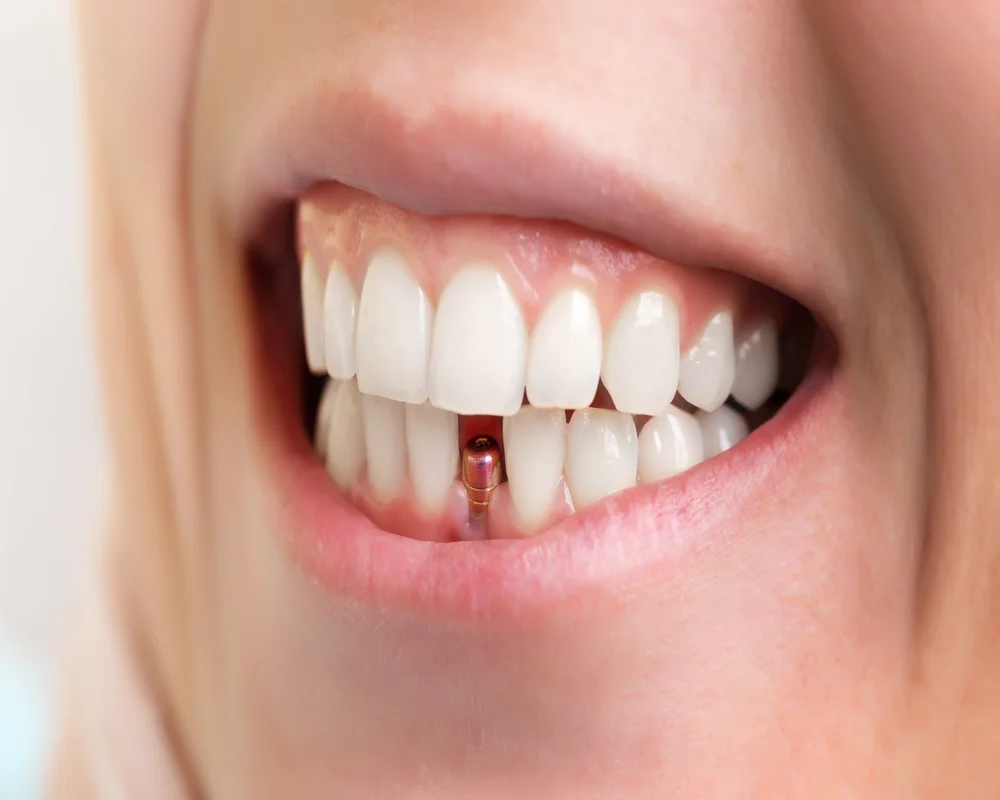
This guide explains why a brief rest from vigorous exercise helps, when and how to return to activity, and what to watch for. It is general information and not a substitute for your dentist's instructions. For the wider picture, see our guides on the recovery timeline and managing discomfort.
Why Rest Helps in the Early Days
Right after implant surgery, taking it easy for a short period supports healing. Strenuous exercise raises your heart rate and blood pressure, which in the early days can increase bleeding, throbbing, and swelling at the surgical site — the opposite of what you want while the area is settling.
This is why the usual advice is to avoid vigorous activity for the first days. It is not that exercise is bad for you, of course, but that a brief pause gives the area the calm conditions it needs to begin healing well.
The First Few Days
In the initial period after surgery, rest is the priority. Gentle movement around the house is fine, but it is sensible to avoid workouts, heavy lifting, running, and other strenuous activity while any early bleeding and swelling settle.
Think of the first days as a short, deliberate pause rather than a long lay-off. For most people it is a matter of days, not weeks, though it depends on the extent of your treatment and how you feel. Your dentist will give you guidance for your case.
Easing Back Into Activity
When you do return to exercise, easing back gradually is wiser than jumping straight back to full intensity. Start with lighter activity and see how you feel, rather than immediately resuming a hard workout, and stop if anything at the surgical site feels uncomfortable.
Listening to your body is the key principle. If gentle activity feels fine, you can build back up; if it causes throbbing or discomfort at the site, give it a little more time. There is no prize for rushing, and a measured return protects your recovery.
Higher-Intensity and Contact Sports
More intense exercise and contact sports deserve extra caution. Very strenuous workouts place more demand on the body, and contact sports carry a risk of a knock to the face, which you clearly want to avoid while an implant is healing.
For these, it is worth waiting longer and checking with your dentist about timing. If you play contact sports, your dentist may also discuss protecting your teeth and implant with a mouthguard once you return. Give the area proper time before resuming anything that could impact it.
Signs to Ease Off
As you return to activity, a few signs tell you to slow down. Contact your dentist, and ease off exercise, if you notice bleeding from the site brought on by activity, increased throbbing or swelling after exercising, or discomfort at the area that activity makes worse.
These suggest you have returned a little too soon or too hard, and a short step back usually settles things. It is always better to give it more time than to push through and risk disturbing the healing implant.
Staying Hydrated and Sensible
When you do exercise again, stay well hydrated and be sensible about intensity in the early return period. Remember to avoid using a straw for drinks in the first days after surgery, as the suction can disturb the healing area, so sip from a cup instead.
General good habits — staying hydrated, not overdoing it, and following your aftercare — all support a smooth return to activity. There is no need to abandon your fitness routine; it is simply about timing your return sensibly.
Everyone's Timeline Is Different
How quickly you can return to full exercise depends on the extent of your treatment and how you heal. A single, straightforward implant may mean only a brief pause, while more involved surgery, such as with bone grafting, may warrant a longer, more cautious return.
This is why your dentist gives you personalised guidance rather than a fixed rule. If you are keen to get back to a specific activity, just ask — your dentist can advise on sensible timing for your situation.
No Need to Abandon Your Routine
If you are someone for whom exercise is an important part of life, it is worth hearing clearly: implant surgery does not mean giving up your routine, only pausing and returning to it sensibly. The early rest is a short, deliberate step that protects your healing, not a long enforced break from staying active.
Approaching it this way tends to lead to the best outcome. Rushing back too soon risks setbacks that could ultimately keep you out of action longer, whereas a measured return gets you back to full activity smoothly. If you have a specific event or training goal in mind, mention it to your dentist, who can help you plan a sensible timeline around your recovery so you protect both your fitness and your new implant.
Ask MiNa Family Dentistry
If you want guidance on returning to exercise after your procedure, the team at MiNa can help. Implant care is led by Dr. Mehdi Adibrad, a periodontist and dental surgeon with an MSc in Periodontics and Implantology, alongside Dr. Neda Kadivar.
To book or ask a question, request an appointment or call (289) 597-7191. MiNa Family Dentistry is at 7191 Yonge St, Unit 205, Thornhill, ON L3T 0C4. This page is general information and is not a substitute for your dentist's instructions.
Further Reading
Canadian Dental Association: oral health informationFrequently Asked Questions
Ready to get started?
MiNa Family Dentistry
7191 Yonge St Unit 205, Thornhill, ON L3T 0C4
(289) 597-7191
Mon–Thu 9:00 AM–6:00 PM | Fri 9:00 AM–3:00 PM