

Swelling After Dental Implant Surgery: What to Expect
If you have had, or are about to have, dental implant surgery, some swelling afterward is one of the things to expect — and it is entirely normal. Swelling is simply part of how the body responds and heals after a procedure, and knowing what is typical, how to ease it, and when to check with your dentist takes away a lot of the uncertainty.
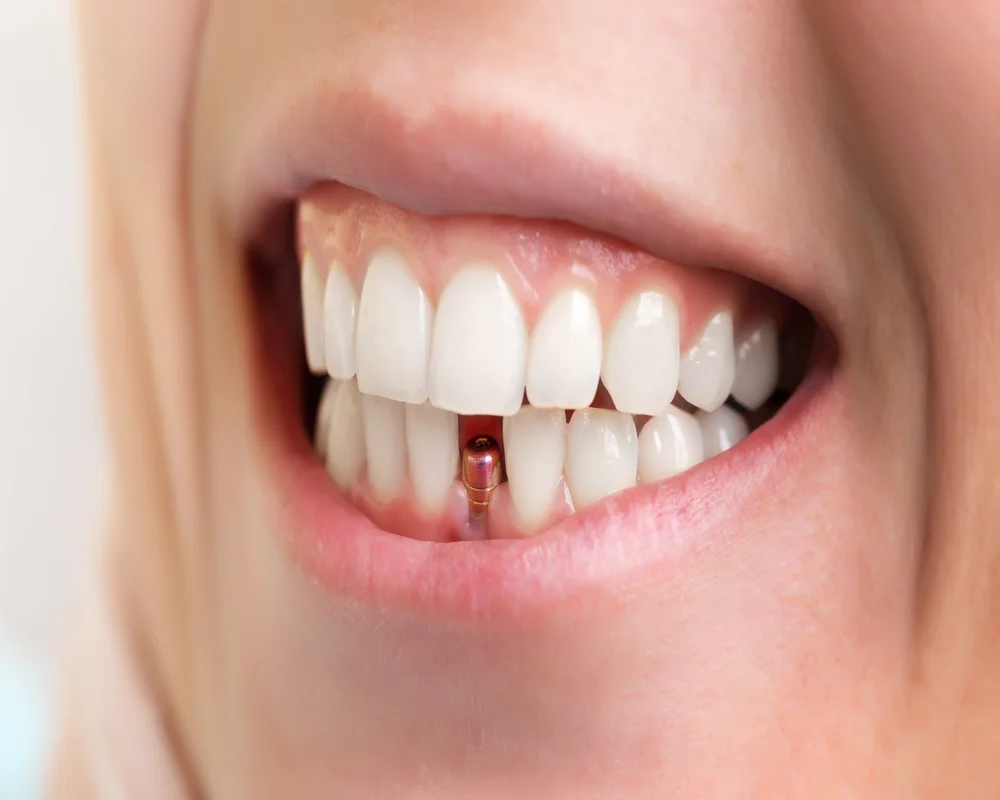
This guide explains why swelling happens, how it usually behaves, and simple ways to manage it. It is general information and not a substitute for your dentist's specific instructions, which always come first. For the wider picture, see the full implant recovery timeline and our guide to managing discomfort.
Why Swelling Happens
Swelling after implant surgery is a normal part of healing, not a sign that something has gone wrong. When any surgical procedure is carried out, the body responds by sending fluid and cells to the area as part of the natural healing process, and this shows up as swelling.
In other words, some swelling is expected and even reassuring — it means your body is doing its job. The key is knowing what is normal so you can tell the usual healing swelling from anything that warrants a check, which this guide will help you do with confidence.
How Much Swelling Is Normal?
The amount of swelling varies from person to person and with the extent of treatment. A single implant may cause only mild swelling, while more involved surgery, or procedures such as bone grafting, can cause more. Mild to moderate swelling around the area, and sometimes of the cheek, is within the normal range.
Everyone heals differently, so there is no single 'right' amount. What matters more than the exact degree is the pattern: normal swelling tends to appear in the first day or two and then steadily improve, rather than worsening as the days go on.
When Swelling Peaks and Settles
As a general pattern, swelling after implant surgery often peaks around the second or third day, which can surprise people who expect it to be worst immediately. After that peak, it usually begins to subside gradually over the following days.
So if your swelling increases a little for a couple of days before improving, that is typically the normal course. It is swelling that keeps increasing well beyond the first few days, rather than starting to settle, that is worth checking with your dentist.
How to Reduce Swelling
There are simple, effective ways to help keep swelling down, and your dentist will advise on what suits you. Common measures include:
- Applying a cold compress to the outside of the cheek in the first day or so, as directed (often in intervals rather than continuously).
- Keeping your head slightly elevated, including when resting or sleeping.
- Resting and avoiding strenuous activity in the early days.
- Following any medication guidance your dentist gives you.
Cold Compresses: How and When
A cold compress is one of the most useful tools for managing swelling in the early period. Applied to the outside of the cheek near the area, it can help limit swelling in the first day or so after surgery. Your dentist will usually suggest using it in intervals — for example, a period on and then a period off — rather than continuously.
Cold is generally most helpful in the first 24 hours or so. After that, its benefit for swelling lessens. Always follow your dentist's specific advice on how and when to use one, and protect your skin rather than applying ice directly.
Swelling vs. Signs of a Problem
While swelling is normal, it helps to know what is not part of the usual course. Contact your dentist, rather than simply waiting, if you notice swelling that keeps increasing after the first few days instead of settling, swelling accompanied by severe or worsening pain, or other symptoms that concern you.
These are not the typical pattern and are worth a professional check. Your dentist would far rather hear from you and reassure you, or address something early, than have you unsure. Normal swelling, by contrast, steadily improves.
Helping Your Overall Recovery
Managing swelling is part of a smooth recovery, and the same habits that help swelling support healing generally. Resting, keeping your head elevated, eating gentle foods, avoiding smoking, and following your aftercare all contribute.
Our guides on what to eat after implant surgery and the recovery timeline cover the wider recovery, so you know what to expect as the days pass and the swelling settles.
The Reassurance of a Normal Pattern
It can be unsettling to look in the mirror a day or two after surgery and see more swelling than you had immediately afterward. Knowing in advance that swelling often peaks around the second or third day turns that moment from a worry into an expected part of healing. The pattern — appearing, peaking, then steadily settling — is the reassuring thing to watch, more than the exact amount.
This is why a little knowledge goes such a long way with recovery. When you understand what is normal, you can relax into the process rather than second-guessing every change. And because you also know the signs that fall outside the usual course, you can act promptly on the rare occasion something needs a check, without worrying unnecessarily about ordinary healing swelling.
Questions? MiNa Family Dentistry Can Help
If you are unsure about swelling after your procedure, the team at MiNa can advise. Implant care is led by Dr. Mehdi Adibrad, a periodontist and dental surgeon with an MSc in Periodontics and Implantology, alongside Dr. Neda Kadivar.
To book or ask a question, request an appointment or call (289) 597-7191. MiNa Family Dentistry is at 7191 Yonge St, Unit 205, Thornhill, ON L3T 0C4. This page is general information and is not a substitute for your dentist's instructions.
Further Reading
Canadian Dental Association: oral health informationFrequently Asked Questions
Ready to get started?
MiNa Family Dentistry
7191 Yonge St Unit 205, Thornhill, ON L3T 0C4
(289) 597-7191
Mon–Thu 9:00 AM–6:00 PM | Fri 9:00 AM–3:00 PM