

Replacing All Your Lower Teeth With Dental Implants
If you are missing all of your lower teeth, or struggling with a lower denture that never seems to stay put, you are far from alone — the lower jaw is where conventional dentures most often disappoint. The good news is that dental implants offer stable, secure ways to restore a full lower arch, from a fixed set of teeth to a denture that clips firmly onto implants.
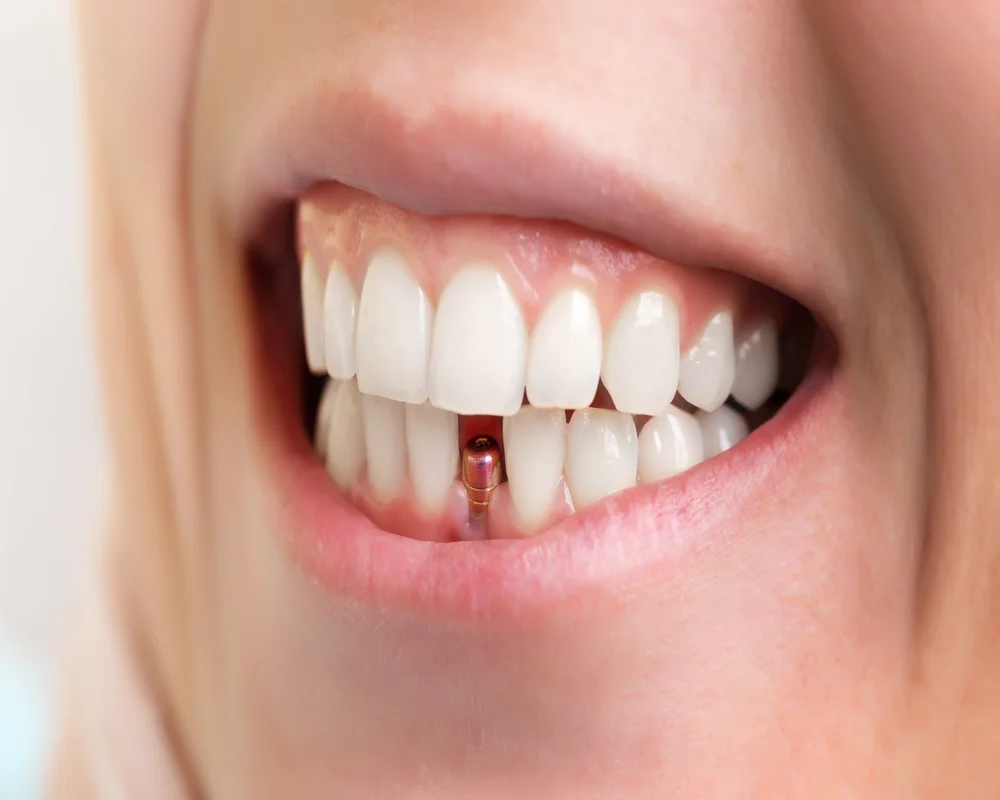
This guide explains the options for replacing all your lower teeth, why the lower jaw is a particularly good candidate for implant stability, and what to expect. It is general information, and your own plan follows an examination. For the wider picture, see our overview of dental implants in Thornhill and our page on full-arch implants.
Why Lower Dentures Often Disappoint
The lower jaw is notorious for loose dentures. Unlike an upper denture, which can use the palate for suction, a lower denture rests on a smaller ridge and has the tongue and muscles working against it. Many people find a lower denture moves while eating or speaking, no matter how well made.
This is exactly where implants make such a difference. By anchoring teeth to the jaw rather than resting them on the gum, implant solutions solve the instability that makes lower dentures so frustrating. For many people, this is genuinely life-changing.
Options for a Full Lower Arch
There is more than one way to replace a full lower arch with implants, and the right choice depends on your jawbone, health, and priorities. The main options range from a fixed set of teeth supported by implants to a removable implant-supported denture that clips securely onto them.
A fixed full-arch restoration stays in place and feels closest to natural teeth, while an implant-supported (removable) denture offers great stability with the practicality of being removable for cleaning. Our guides on full-arch implants versus dentures and fixed versus removable implant dentures compare these in detail.
The Lower Jaw's Advantages
There is some good news about the lower jaw specifically. The bone at the front of the lower jaw is often dense and well-suited to holding implants, which can make it a favourable area for implant treatment.
This is one reason implant-supported lower solutions are so effective and popular. Even a small number of implants at the front of the lower jaw can transform the stability of a denture, ending the movement that a conventional lower denture struggles with.
A Full Set on a Few Implants
As with the upper jaw, you do not need an implant for every tooth. A full lower arch can be supported by a smaller number of well-placed implants, which makes full-arch treatment more achievable than many people expect.
The exact number depends on your case and the type of restoration. Your dentist plans the implant positions carefully so they provide strong, balanced support for the full set of teeth above them.
The Benefits of Restoring the Lower Arch
Replacing a full lower arch with an implant solution can make a real difference to daily life, especially for anyone who has battled a loose lower denture. Compared with a conventional lower denture, implant-supported options offer notable benefits:
- A secure, stable bite so you can eat with confidence.
- No more movement, slipping, or reliance on adhesive.
- Clearer, more comfortable speech.
- Help preserving the jawbone where implants are placed.
What the Process Involves
Restoring a full lower arch follows the usual implant stages. After a consultation and detailed imaging, any preparation is carried out, then the implants are placed and left to heal, and finally the fixed teeth or denture are fitted. A temporary solution is often provided so you are not without teeth during healing.
One consideration in the lower jaw is the nerve that runs through it, which your dentist carefully avoids using detailed imaging such as a cone beam CT scan. Our step-by-step guide to the dental implant procedure explains the stages.
Caring for a Full Lower Arch
How you care for your restored lower arch depends on whether it is fixed or removable. A fixed restoration is cleaned in the mouth, with attention to where the teeth meet the gum, while a removable implant denture is taken out to clean. Either way, regular check-ups keep the implants and tissues healthy.
Our guide on how to clean dental implants covers the routine. Good maintenance protects both the function and the longevity of your restored lower teeth, though individual results vary.
The End of a Frustrating Denture
For anyone who has lived with a lower denture that rocks, slips, or clicks at the worst moments, it is hard to overstate what a difference a stable, implant-supported solution can make. Being able to eat a meal in company, laugh, or speak without a second thought about your teeth moving is something many people had given up hoping for.
That is really what full lower arch implant treatment offers: not just replacement teeth, but the return of confidence and normality around eating and talking. The lower jaw's tendency to defeat conventional dentures is exactly the problem implants are so good at solving. If a loose lower denture has worn you down, it is well worth a conversation to understand what a more secure option could mean for your daily life.
Restore Your Lower Smile at MiNa
Full-arch implant treatment at MiNa is led by Dr. Mehdi Adibrad, a periodontist and dental surgeon with an MSc in Periodontics and Implantology, with restorative and denture care from Dr. Neda Kadivar.
To explore your options, request a consultation or call (289) 597-7191. MiNa Family Dentistry is at 7191 Yonge St, Unit 205, Thornhill, ON L3T 0C4. This page is general information and is not a substitute for a personal examination.
Further Reading
Canadian Dental Association: oral health informationFrequently Asked Questions
Ready to get started?
MiNa Family Dentistry
7191 Yonge St Unit 205, Thornhill, ON L3T 0C4
(289) 597-7191
Mon–Thu 9:00 AM–6:00 PM | Fri 9:00 AM–3:00 PM