

Osseointegration: How a Dental Implant Fuses to Bone
Osseointegration is one of those technical-sounding words that turns out to describe something quite elegant: the process by which a dental implant becomes part of your jaw. It is the reason implants are so stable, and understanding it helps explain why implant treatment takes the time it does. In short, it is your bone growing around and bonding to the implant.
This guide explains what osseointegration is, how long it takes, and what supports it. It is general information, and your own timeline is set by your dentist. For the wider picture, see our overview of dental implants in Thornhill and the full implant recovery timeline.
What Is Osseointegration?
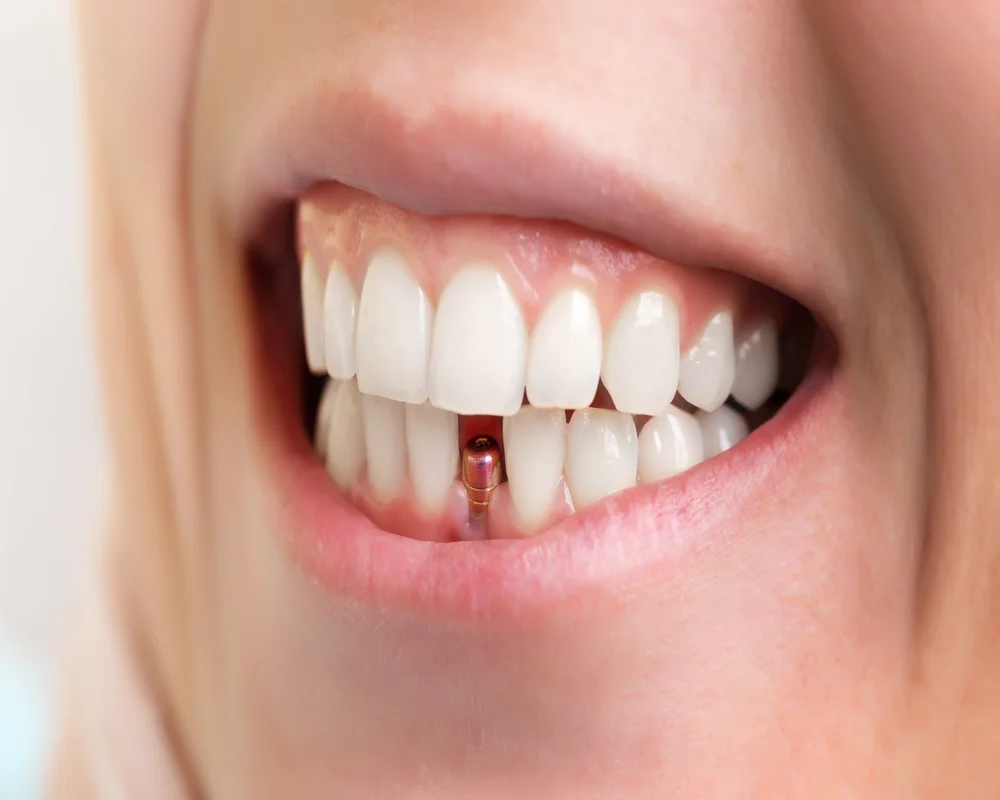
Osseointegration is the process in which living bone grows around and bonds directly to the surface of a dental implant. After the titanium implant is placed in the jaw, your body responds by forming new bone that locks the implant firmly in place, integrating it into the jaw much like a natural tooth root.
This bond is what makes an implant able to support a tooth and handle the forces of chewing. It is not something you feel happening, but it is the quiet, essential work going on beneath the gum during the healing period, and it is the foundation of an implant's long-term stability. Without it, an implant would simply be a post sitting in a hole; with it, the implant and your jaw become a single, working unit.
Why It Matters So Much
Osseointegration is central to how implants work, and it is the reason they differ from other tooth replacements. Because the implant fuses with the bone, it provides a stable, independent foundation that does not rely on neighbouring teeth and helps preserve the jawbone.
It is also why implant treatment cannot be rushed. The stability of the whole result depends on this bond forming properly, so allowing it the time it needs is not a delay but the very thing that makes an implant reliable and long-lasting.
How Long Does It Take?
Osseointegration typically takes several months, though the exact length varies with the individual, the site, and the specifics of treatment. The lower jaw often integrates a little faster than the upper jaw, where the bone can be softer, but a period of months is the general expectation.
Your dentist will give you a timeline for your case and confirms the implant has integrated well, sometimes with imaging or testing, before moving on to the final restoration. This is why the abutment and crown are usually added at a later appointment rather than at placement.
What Happens During the Healing Period
During osseointegration, you generally go about your normal life. The implant is settling into the bone beneath the gum, and in many cases a temporary tooth fills any visible gap so you are not without a tooth while healing.
There is little you need to do beyond looking after the area and following your dentist's guidance. It can feel like a long wait, precisely because nothing dramatic is happening on the surface, but that quiet period is when the essential integration takes place.
What Supports Good Integration
Several things support successful osseointegration, and many are within your influence. Following your aftercare, keeping the area clean, eating gently early on, and avoiding smoking all help create the conditions for the bone to bond well.
- Not smoking, as it reduces blood flow and can impair healing.
- Good oral hygiene to keep the area healthy.
- Following your dentist's aftercare and dietary advice.
- Managing health conditions such as diabetes with your medical team.
- Attending follow-up appointments so healing can be monitored.
What Can Affect It
Just as some things support integration, others can hinder it. Smoking is a well-recognised factor that can impair healing. Health conditions that affect healing, poor bone quality, infection, or excessive early force on the implant can also interfere with the bond forming as it should.
This is why your dentist assesses your health and plans carefully, and why aftercare instructions — such as protecting the implant early on — matter. Most implants integrate successfully, and following guidance gives yours the best chance.
After Integration: The Final Restoration
Once your dentist confirms the implant has integrated well, the final stages can proceed. The abutment is attached and the crown, bridge, or denture is fitted, completing the treatment. At this point, the implant is ready to function as a stable foundation for your new tooth.
Reaching this stage is the payoff for the healing period. The bond formed during osseointegration is what allows the finished implant to feel solid and last, which is why the wait, though it can feel long, is so worthwhile.
A Quiet Marvel Beneath the Gum
It is worth pausing to appreciate what osseointegration actually represents. The idea that a piece of titanium can be accepted by living bone and become a functional part of the jaw is a genuine achievement of modern dentistry, and it is the discovery that made reliable implants possible in the first place.
For you as a patient, that translates into something reassuring: the stability of your implant is not held on by glue or clamps, but built into your own bone. Understanding this can make the healing months feel less like waiting and more like something remarkable quietly taking place. When the final tooth is fitted, it rests on a foundation your body has grown to hold it, which is a large part of why implants feel and function so naturally.
Learn More at MiNa Family Dentistry
If you would like to understand how your implant would heal and integrate, the team at MiNa is happy to explain. Implant care is led by Dr. Mehdi Adibrad, a periodontist and dental surgeon with an MSc in Periodontics and Implantology, alongside Dr. Neda Kadivar.
To book, request a consultation or call (289) 597-7191. MiNa Family Dentistry is at 7191 Yonge St, Unit 205, Thornhill, ON L3T 0C4. This page is general information and is not a substitute for a personal examination.
Further Reading
Canadian Dental Association: oral health informationFrequently Asked Questions
Ready to get started?
MiNa Family Dentistry
7191 Yonge St Unit 205, Thornhill, ON L3T 0C4
(289) 597-7191
Mon–Thu 9:00 AM–6:00 PM | Fri 9:00 AM–3:00 PM