

How to Sleep Well After Dental Implant Surgery
Good rest matters after any surgery, and dental implant treatment is no exception. Yet a common worry in the first night or two is a practical one: how should I sleep so I am comfortable and do not disturb the healing area? The good news is that a few simple adjustments make a real difference to both your comfort and your recovery.
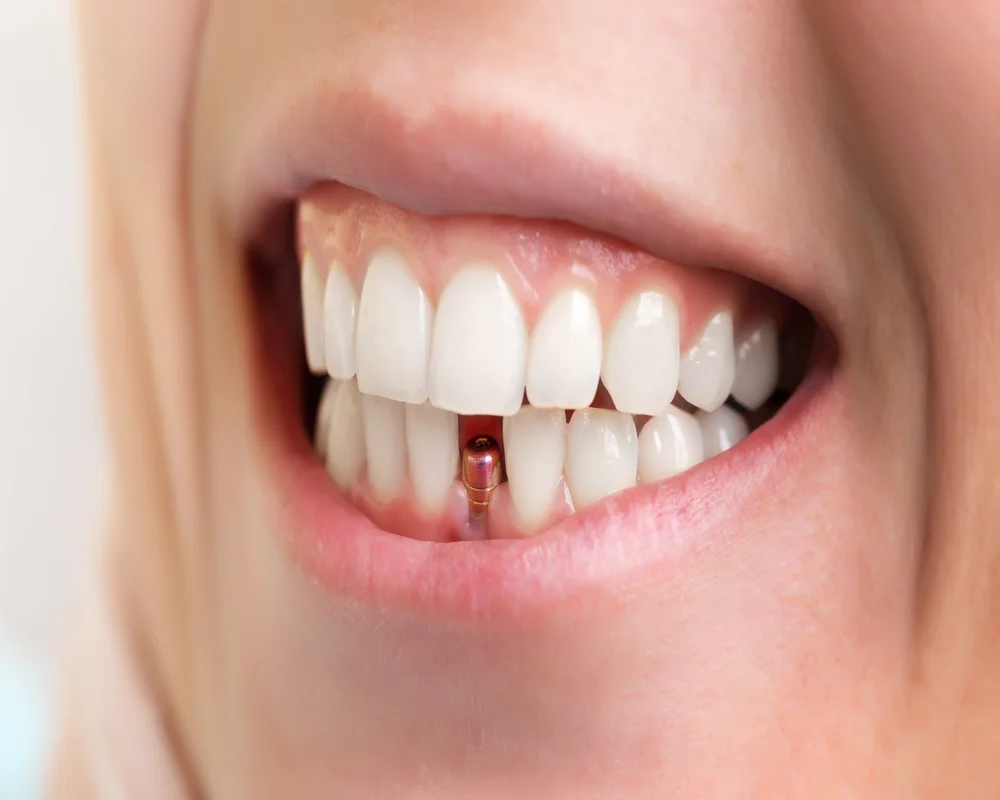
This guide offers practical tips for sleeping well after implant surgery. It is general information and not a substitute for your dentist's specific instructions. For the wider picture, see our guides on the recovery timeline and managing discomfort.
Why Sleep Position Matters
In the first days after implant surgery, how you sleep can influence your comfort and help with swelling. Lying flat can allow more blood to pool in the head and increase throbbing or swelling, whereas keeping your head elevated tends to be more comfortable and can help reduce swelling.
This is why the most common piece of advice is simply to keep your head raised for the first night or two. It is a small change that many people find helps them rest more easily while the area settles, and it costs nothing more than a couple of extra pillows.
Keep Your Head Elevated
The single most useful tip is to sleep with your head elevated for the first couple of nights. Propping yourself up on a few extra pillows, or resting in a slightly reclined position, helps keep swelling down and can ease any throbbing.
Some people find sleeping in a recliner comfortable for the first night, but a few pillows to raise the head and upper body works well too. The aim is simply to avoid lying completely flat while the area is at its most sensitive.
The First Night: What to Expect
The first night after surgery is usually the one people wonder about most. You may still be aware of the area, and some oozing or mild discomfort can be normal early on. Following your dentist's aftercare — including any advice on medication timing — helps you settle.
It is sensible to prepare before you sleep: take any pain relief as directed and in good time, have water nearby, and get comfortable with your head raised. A little preparation makes the first night far easier than facing it unprepared.
Protecting the Area While You Sleep
You do not need to do anything elaborate to protect the implant while sleeping, but a few sensible habits help. Try to avoid sleeping directly on the side of your face where the surgery was, if you can, to reduce pressure on the area.
Keep to soft bedding around your face, and avoid anything that presses firmly on the cheek. These are small, common-sense measures rather than strict rules, aimed at keeping the area undisturbed as it begins to heal.
Managing Comfort for Better Rest
Comfort and sleep go together, so managing any discomfort helps you rest. Taking pain relief as your dentist advises, before discomfort builds, can make it easier to fall and stay asleep. Keeping your head elevated and using a cold compress earlier in the day (as directed) can also mean less throbbing at night.
If you find discomfort is disturbing your sleep more than expected, or is not eased by the pain relief you were advised to take, it is worth contacting your dentist. Our guide on managing discomfort after surgery covers this in more detail.
Rest Supports Healing
Beyond the mechanics of sleep position, simply getting enough rest supports your recovery. Your body does much of its healing while you rest, so allowing yourself to take it easy, especially in the first days, is genuinely beneficial rather than an indulgence.
Avoiding strenuous activity and prioritising rest in the early period helps both your comfort and your healing. Sleep is part of that, so it is worth setting yourself up to rest well.
Getting Back to Normal Sleep
For most people, the need to sleep propped up is short-lived — often just the first night or two, while swelling and tenderness are at their peak. As comfort improves over the following days, you can gradually return to your usual sleeping position.
Let comfort be your guide. Once the area is settling and lying flatter no longer causes throbbing or discomfort, there is usually no need to keep sleeping elevated. Everyone recovers at a slightly different pace.
Small Adjustments, Better Rest
What stands out about sleeping after implant surgery is how much a couple of small adjustments help. There is no need for special equipment or a dramatic change to your routine — a few extra pillows, taking pain relief in good time, and choosing which side to lie on are enough to make the first nights far more comfortable than people often fear.
It helps to remember that this is a short-lived phase. The propped-up sleeping and extra care are usually needed only for the first night or two, while things are at their most sensitive. After that, as comfort returns, you drift back to your normal sleep without a second thought. Setting yourself up well for those first couple of nights is a small effort that pays off in better rest and a smoother recovery.
Questions? Ask MiNa Family Dentistry
If you have questions about recovery, the team at MiNa is happy to help. Implant care is led by Dr. Mehdi Adibrad, a periodontist and dental surgeon with an MSc in Periodontics and Implantology, alongside Dr. Neda Kadivar.
To book or ask a question, request an appointment or call (289) 597-7191. MiNa Family Dentistry is at 7191 Yonge St, Unit 205, Thornhill, ON L3T 0C4. This page is general information and is not a substitute for your dentist's instructions.
Further Reading
Canadian Dental Association: oral health informationFrequently Asked Questions
Ready to get started?
MiNa Family Dentistry
7191 Yonge St Unit 205, Thornhill, ON L3T 0C4
(289) 597-7191
Mon–Thu 9:00 AM–6:00 PM | Fri 9:00 AM–3:00 PM