

Smoking After Dental Implant Surgery: Why It Matters
If you smoke and have just had, or are about to have, dental implant surgery, the period right after the procedure is one of the most important times to avoid smoking. While smoking affects implants generally, its impact on early healing is where it matters most, and giving the area a smoke-free window can genuinely help your implant settle.
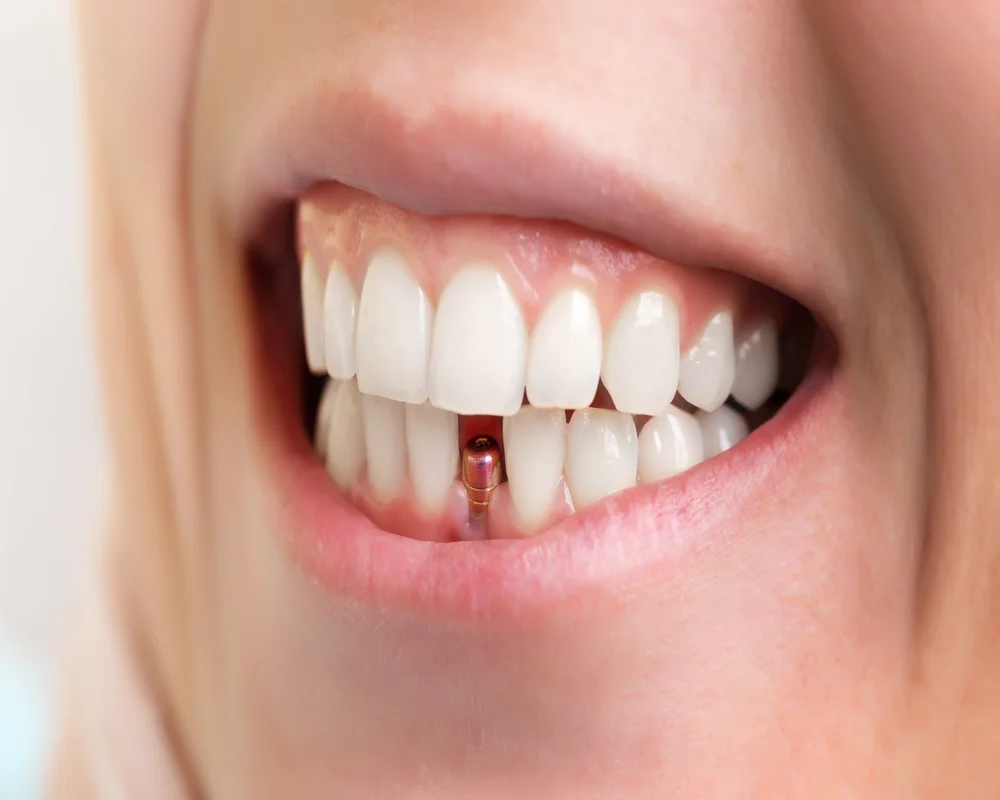
This guide focuses specifically on smoking during the recovery period after surgery — why it matters, how long to avoid it, and how to give your implant the best chance. It is general information and not medical advice. For the broader picture of smoking and candidacy, see our guide on dental implants and smoking.
Why the Post-Surgery Period Is Critical
The days and weeks after implant surgery are when healing is most active and most vulnerable, which makes it the worst time to smoke. In this window, the gum needs to heal cleanly and the bone begins the process of bonding with the implant, and smoking works directly against both.
This is why, even for long-term smokers, the advice to avoid smoking is strongest right after surgery. If there is one period to make a real effort to stay smoke-free, it is this one, because it can meaningfully affect how well your implant heals.
How Smoking Affects Early Healing
Smoking interferes with healing in several ways that are especially relevant just after surgery. The chemicals in tobacco smoke reduce blood flow to the gums, which limits the oxygen and nutrients that healing tissue depends on. Smoking also affects the body's response to infection.
On top of this, the physical act of smoking — the suction and the heat — can disturb the surgical site and the blood clot that forms as part of early healing. Together, these effects raise the risk of complications and slower healing at exactly the wrong time.
The Suction Problem
One specific concern in the early days is suction. Drawing on a cigarette creates suction in the mouth, much like using a straw, which can disturb the delicate healing area and the clot that is protecting it. This is the same reason your dentist advises against straws early on.
So it is not only the chemicals in smoke that matter after surgery, but the mechanical action too. Both are reasons the immediate post-surgery period is a particularly important time to avoid smoking.
How Long Should You Avoid Smoking?
Your dentist will give you specific guidance, but the general principle is to avoid smoking for as long as you reasonably can after surgery — ideally through the important early healing period, and longer if possible. The more you can extend the smoke-free window around surgery, the better for healing.
Even if quitting altogether feels out of reach, treating the post-surgery period as a dedicated smoke-free stretch is a worthwhile goal. Any time you can avoid smoking during early healing helps, and your dentist can advise on a realistic target for your situation.
Vaping and Other Products After Surgery
People sometimes ask whether vaping is a safer option during recovery. The evidence is still developing, and vaping is not established as a safe alternative for implant healing. It also involves suction, which is itself a concern for the healing site early on.
Because of both the uncertain effects and the suction involved, it is wise not to assume that switching to another product removes the risk after surgery. Your dentist can talk through your specific situation and what is known.
Giving Your Implant the Best Chance
If you smoke, a few steps around the surgery genuinely improve your odds. The most important is to avoid smoking through the early healing period, alongside the usual aftercare:
- Avoid smoking for as long as you can after surgery, especially the first days and weeks.
- Follow all your aftercare instructions closely.
- Keep the area meticulously clean as directed.
- Avoid straws and vigorous rinsing, which also disturb the site.
- Attend your follow-up appointments so healing can be checked.
A Chance to Cut Down or Quit
The period around implant surgery can be a natural opportunity to cut down or even quit for good. Many people find that a dedicated smoke-free stretch, with a clear reason behind it, becomes a stepping stone to reducing smoking more broadly, which benefits far more than your implant.
If you would like support, your family doctor, pharmacist, or a stop-smoking service can help, and your dentist can point you in the right direction. Whatever you decide long term, protecting the early healing of your implant is a goal well worth the effort.
Focus on the Window That Matters Most
If quitting smoking entirely feels like too big a step to face right now, it helps to narrow the focus to the window that matters most: the period right around your surgery. Rather than framing it as 'quit forever', you can frame it as 'give my implant the best possible start by staying smoke-free through early healing'. That is a much more achievable, concrete goal.
Many people find that this focused effort is easier than expected, precisely because it has a clear purpose and a defined timeframe. And not infrequently, that smoke-free stretch becomes the beginning of cutting down more permanently. Whatever happens beyond the healing period, protecting these critical early weeks is genuinely worthwhile, and your dentist can help you set a realistic, supportive plan around it.
Talk to MiNa Family Dentistry
If you smoke and are planning implant treatment, the team at MiNa can give you guidance for your situation. Implant care is led by Dr. Mehdi Adibrad, a periodontist and dental surgeon with an MSc in Periodontics and Implantology, alongside Dr. Neda Kadivar.
To book, request a consultation or call (289) 597-7191. MiNa Family Dentistry is at 7191 Yonge St, Unit 205, Thornhill, ON L3T 0C4. This page is general information and is not medical advice.
Further Reading
Canadian Dental Association: oral health informationFrequently Asked Questions
Ready to get started?
MiNa Family Dentistry
7191 Yonge St Unit 205, Thornhill, ON L3T 0C4
(289) 597-7191
Mon–Thu 9:00 AM–6:00 PM | Fri 9:00 AM–3:00 PM