

Why Do Dental Implants Fail (and How to Avoid It)?
Dental implants have a strong, well-documented track record, and the large majority succeed and last many years. But no treatment works every time, and it is reasonable to want to understand why implants occasionally fail, and what you can do to tilt the odds in your favour. Understanding the causes is genuinely empowering, because most of them are things you and your dentist can influence.
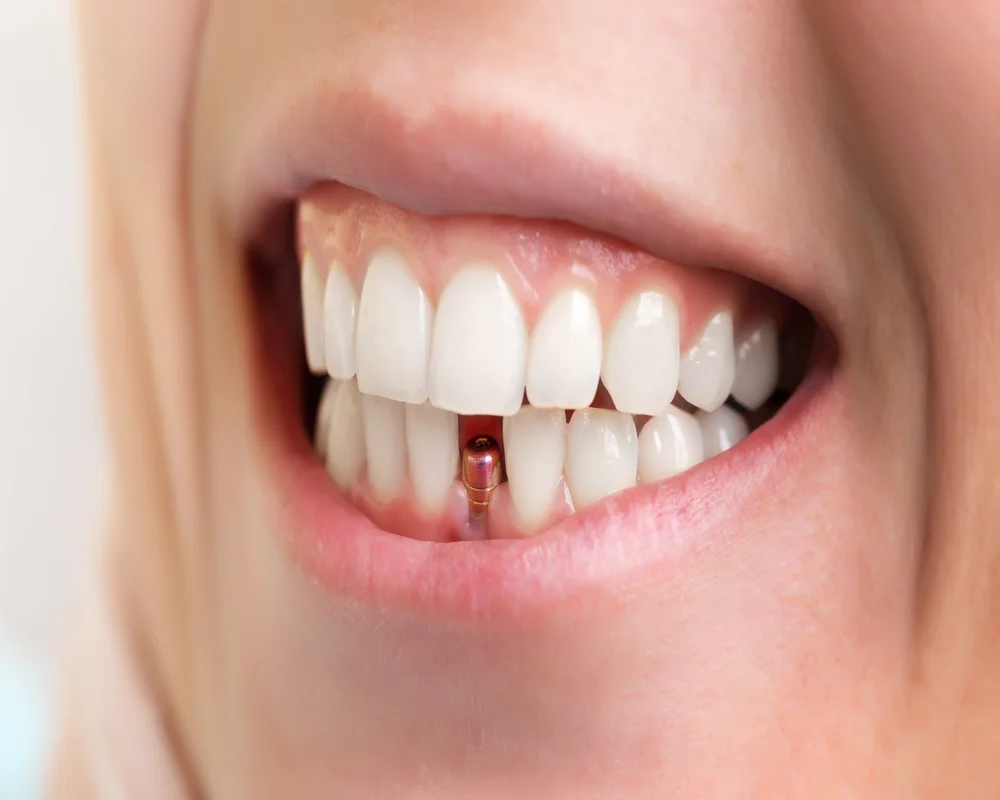
This guide explains the main reasons implants can fail, the difference between early and late problems, and the practical steps that protect an implant. It is written to inform, not to worry — implant failure is relatively uncommon. It is general information rather than a diagnosis. For the wider picture, see our overview of dental implants in Thornhill.
First, Some Perspective
It is worth starting with reassurance. Dental implants are one of the more predictable treatments in dentistry, and most people who have them enjoy them for many years without trouble. When we talk about failure, we are talking about the exception rather than the rule.
The value of understanding failure is not to make you anxious but to help you act on the things that matter. Many of the causes are preventable or manageable, so knowing them puts you in a stronger position to protect your investment. Far from being a reason to avoid implants, this knowledge is one of the best ways to make sure yours succeeds.
Early vs. Late Failure
Implant problems are often grouped by timing. Early failure happens around the time of placement or before the implant has fully integrated with the bone, and usually relates to healing — for example if the bone does not bond to the implant as expected. Late failure happens after an implant has been working well for a while, and is more often linked to the health of the gum and bone around it.
The two have different typical causes, which is one reason your dentist assesses the situation rather than assuming. It also means prevention has two parts: supporting healing early on, and protecting the tissues around the implant for the long term.
Poor Oral Hygiene and Gum Problems
One of the most common reasons for later implant problems is inflammation of the tissues around the implant, driven by plaque that is not cleaned away. Left unchecked, this can progress to affect the supporting bone, a condition sometimes called peri-implantitis, which we cover in our guide on what peri-implantitis is.
The encouraging flip side is that this is largely preventable. Good daily cleaning around the implant and regular professional check-ups are the single biggest thing most people can do to avoid this kind of failure.
Smoking
Smoking is a well-recognised risk factor for implant problems. It reduces blood flow to the gums, slows healing, and is linked to a higher rate of complications around implants, both early and late. This does not mean smokers cannot have implants, but it does mean the risk is higher.
Stopping or pausing smoking around the time of treatment, and keeping the area especially clean, both help. Our guide on dental implants and smoking explores this in more detail.
Health Conditions and Bone Quality
General health plays a part in how well an implant heals and lasts. Conditions that affect healing, such as poorly-controlled diabetes, can raise the risk, which is why your dentist reviews your health during planning. Well-managed conditions are generally much less of a concern.
Bone quality and quantity matter too. An implant needs enough healthy bone for support, which is why grafting is sometimes recommended first. Placing an implant into a poor foundation makes problems more likely, so careful planning and, where needed, building the site are part of preventing failure.
Excessive Force and Grinding
Implants are strong, but they still have limits. Heavy grinding or clenching (bruxism) places extra force on the implant and its restoration, which over time can contribute to problems. An improper bite that loads the implant unevenly can have a similar effect.
This is manageable with planning: a night guard to cushion grinding, careful attention to the bite, and a well-designed restoration all help. Our guide on implants and teeth grinding covers this. If you grind your teeth, mentioning it to your dentist is important.
Surgical and Planning Factors
The planning and placement of an implant matter a great deal to its success. Accurate assessment of the bone, careful surgical technique, and precise positioning all contribute to a good outcome, which is why the training and approach of the person doing the work are relevant.
Modern tools such as detailed 3D imaging and guided placement support accuracy. Choosing care from a clinician with strong surgical training, and a clinic that plans thoroughly, is part of reducing the risk of avoidable problems.
How to Protect Your Implant
Pulling the causes together, most point toward the same practical steps. You can meaningfully reduce the risk of implant failure by:
- Cleaning around the implant every day and attending regular check-ups.
- Not smoking, or stopping around the time of treatment.
- Managing health conditions such as diabetes with your medical team.
- Wearing a night guard if you grind your teeth.
- Following your dentist's aftercare and healing instructions closely.
- Reporting any early warning signs promptly rather than waiting.
Talk to MiNa Family Dentistry
If you are considering implants or have concerns about one, the team at MiNa can help you plan for success. Implant care is led by Dr. Mehdi Adibrad, a periodontist and dental surgeon with an MSc in Periodontics and Implantology, alongside Dr. Neda Kadivar.
To book, request a consultation or call (289) 597-7191. MiNa Family Dentistry is at 7191 Yonge St, Unit 205, Thornhill, ON L3T 0C4. This page is general information and is not a diagnosis or a substitute for a personal examination.
Further Reading
Canadian Dental Association: oral health informationFrequently Asked Questions
Ready to get started?
MiNa Family Dentistry
7191 Yonge St Unit 205, Thornhill, ON L3T 0C4
(289) 597-7191
Mon–Thu 9:00 AM–6:00 PM | Fri 9:00 AM–3:00 PM