

Temporary Teeth During Dental Implant Healing
One of the most common worries about dental implants is a practical one: will I have to go without a tooth while the implant heals? It is a very understandable concern, especially for a visible tooth. The reassuring answer is that, in many cases, a temporary tooth can be provided so you are not left with a gap during the healing months.
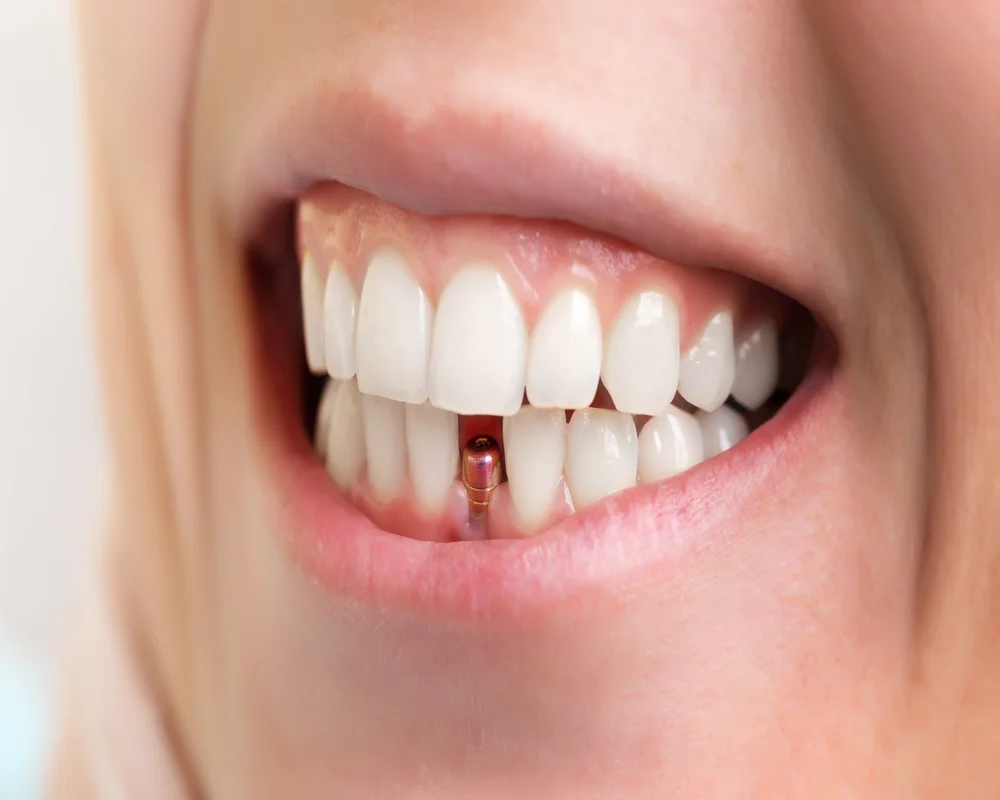
This guide explains what temporary teeth are, when they are used, and how to look after them while your implant heals. It is general information, and what is possible depends on your case. For the wider picture, see our overview of dental implants in Thornhill and the full implant recovery timeline.
Why Temporary Teeth Exist
Dental implant treatment takes place over several months, because the implant needs time to bond with the bone before the final tooth is fitted. During this healing period, many people understandably do not want to be left with a visible gap, particularly for a front tooth.
Temporary teeth solve this. They fill the gap during the healing months, so you can smile, speak, and go about your life with a tooth in place while the implant settles underneath. They are a practical, common part of implant treatment.
What a Temporary Tooth Is
A temporary tooth is a provisional restoration used to fill the gap while the implant heals, before the permanent tooth is made. It is designed to look acceptable and function reasonably for everyday life, but it is not the final restoration and is not built to take the same forces.
Temporary teeth come in a few forms depending on the situation, from a temporary crown on the implant to a small removable appliance. Your dentist will explain which type suits your case and what to expect from it.
When a Temporary Tooth Is Used
Whether a temporary tooth is used, and what type, depends on your situation. For a visible front tooth, maintaining your appearance during healing is often a priority, so a temporary is commonly provided. For a back tooth that does not show, some people are less concerned about a temporary, though it can still help with function.
In some cases, a temporary tooth can be fitted soon after the implant is placed; in others, a removable temporary is used. Your dentist decides what is appropriate based on your case and how the implant needs to heal.
It Is Not the Final Tooth
An important thing to understand is that a temporary tooth is exactly that — temporary. It is there to see you through the healing period, not to be your permanent restoration. The final crown, bridge, or denture is made and fitted once the implant has integrated.
This matters for expectations and for care. A temporary is designed to be functional and presentable, but it is usually not as strong or as refined as the final tooth, so it needs a little care to protect it while it does its job.
Looking After a Temporary Tooth
A temporary tooth needs some care to keep it intact and to protect the healing implant beneath. Your dentist will give you specific instructions, which commonly include:
- Avoiding biting hard or chewing tough foods directly on the temporary.
- Favouring softer foods, especially early on.
- Cleaning gently around the area as directed.
- Contacting the clinic if the temporary feels loose, breaks, or comes out.
If Something Goes Wrong With It
Because a temporary is not as robust as a final restoration, it can occasionally chip, loosen, or come out, particularly if too much force is placed on it. This is not usually a cause for alarm, but it is worth contacting your dentist so it can be addressed and the healing implant protected.
Do not try to fix or reattach a temporary yourself. Your dentist can sort it out properly, and it is better to have it seen to than to leave a gap or risk disturbing the implant during healing.
The Reassurance a Temporary Provides
For many people, the biggest worry about implant treatment is the thought of months without a tooth. Knowing that a temporary can usually keep your smile intact during healing takes away a lot of that anxiety, and it is one reason implant treatment is more comfortable than people expect.
It means the healing period, though it takes time, does not have to disrupt your appearance or daily life. You can carry on largely as normal while the important work of integration happens quietly beneath the gum.
One Less Thing to Worry About
The fear of walking around with a visible gap is one of the quiet anxieties that puts people off implants, so it deserves a clear reassurance. For most people, and almost always for a front tooth, going without a tooth during the healing months is not what happens. A temporary keeps your smile and your day-to-day life largely unchanged while the implant does its work.
It is worth raising this directly with your dentist early on, especially if a visible tooth is involved, so you know exactly what to expect. Once you understand that a temporary will usually bridge the gap, one of the most common worries about implant treatment tends to melt away, and the healing period feels far less daunting than it first sounds.
Ask MiNa Family Dentistry
If you are wondering whether you will have a tooth during healing, the team at MiNa can explain what is possible for your case. Implant care is led by Dr. Mehdi Adibrad, a periodontist and dental surgeon with an MSc in Periodontics and Implantology, alongside Dr. Neda Kadivar.
To book, request a consultation or call (289) 597-7191. MiNa Family Dentistry is at 7191 Yonge St, Unit 205, Thornhill, ON L3T 0C4. This page is general information and is not a substitute for a personal examination.
Further Reading
Canadian Dental Association: oral health informationFrequently Asked Questions
Ready to get started?
MiNa Family Dentistry
7191 Yonge St Unit 205, Thornhill, ON L3T 0C4
(289) 597-7191
Mon–Thu 9:00 AM–6:00 PM | Fri 9:00 AM–3:00 PM