

Front Tooth Dental Implant: Restoring Your Smile Naturally
Losing a front tooth can feel different from losing a back one. It shows when you smile and talk, so getting the replacement to look natural matters a great deal. A dental implant is one of the most natural-looking ways to replace a missing front tooth, but the front of the mouth calls for particular care and planning.
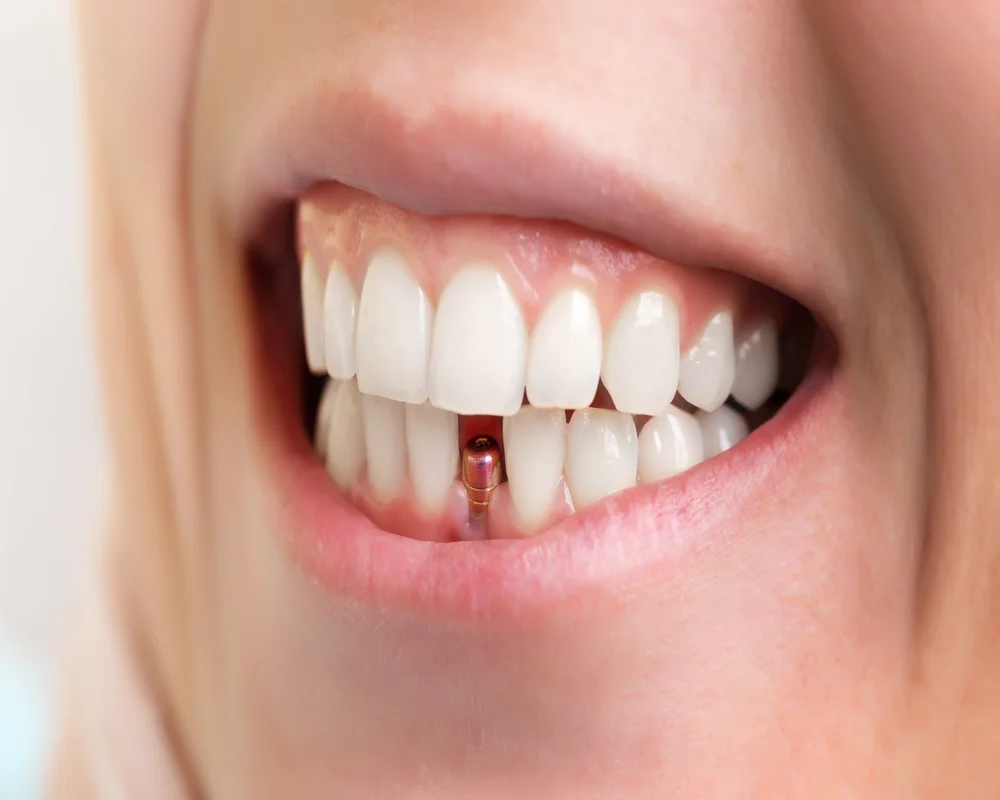
This guide explains what makes a front-tooth implant different, what the process involves, and how the result is made to blend in. It is general information; your own plan follows an examination. For the wider picture, see our overview of dental implants in Thornhill.
Why the Front of the Mouth Is Different
Dentists sometimes call the front of the mouth the aesthetic zone, because it is on show. Replacing a tooth here is not just about function; the crown, the gumline, and the way light catches the tooth all have to look right next to your natural teeth.
The bone and gum at the front can also be thinner and more delicate than at the back, which is one reason careful planning and, in some cases, additional preparation are important for a good result.
Getting a Natural-Looking Result
A well-made front-tooth implant aims to match the shape, shade, and translucency of your other teeth, and to sit within a healthy, even gumline. Achieving this takes planning and skill, and the details make the difference between a tooth that blends in and one that stands out.
Your dentist will consider the shape of your smile, the colour of the neighbouring teeth, and how the gum frames the tooth. Sometimes a temporary tooth is used during healing to help shape the gum for the final result.
Preserving the Gum and Bone
Because the tissues at the front are delicate and visible, preserving the gum and bone is a priority. If a tooth has been missing for a while, some bone may have been lost, and bone grafting before implant placement may be discussed to rebuild support and help the final tooth look right.
Careful handling of the gum during treatment also helps keep a natural gumline. These steps are part of why a front-tooth implant is planned thoughtfully rather than rushed.
What the Process Involves
The stages follow the usual implant pathway, with extra attention to appearance. After a consultation and imaging, any preparation such as grafting is done, then the implant is placed and left to heal so the bone can bond to it.
A temporary tooth often fills the gap during healing, so you are not without a front tooth. Once the implant has integrated, the final crown is made and fitted. Our step-by-step guide to the dental implant procedure explains each stage.
Front Tooth Implant vs. a Bridge
A front tooth can also be replaced with a bridge, which is held by crowns on the neighbouring teeth. The main trade-off is that a bridge requires reshaping those healthy teeth, while an implant leaves them untouched and helps preserve the bone where the tooth is missing.
For a single front tooth with healthy neighbours, many people prefer an implant for that reason. If the neighbouring teeth already need crowns, a bridge may make sense. Our guide comparing an implant vs a bridge goes into more detail.
Caring for a Front Tooth Implant
A front-tooth implant is cared for much like a natural tooth: brushing, cleaning between the teeth, and regular check-ups. Keeping the gumline healthy is especially important here, since it frames the visible tooth.
Our guide on how to clean dental implants covers the routine. If you play contact sports, ask your dentist about protecting your teeth and implant.
Who Might Be a Candidate
Many people missing a front tooth can be considered, but candidacy is decided after an examination that looks at the gum, the bone, and your overall health. The aim is not only a tooth that works, but one that looks natural and lasts.
If you have been missing a front tooth for some time, or lost it to injury, it is still worth an assessment — modern techniques help manage situations that once made front implants difficult.
How Long Does a Front Tooth Implant Take?
Like other implants, a front-tooth implant is not an overnight fix. From placement to the final crown, treatment usually spans several months, because the bone needs time to bond with the implant before the permanent tooth is fitted. Cases that need bone grafting first take longer.
The reassuring part is that you are rarely left with a visible gap during this time. A temporary tooth is commonly used while the implant heals, so you can smile and speak normally throughout. Your dentist will set out a timeline once your situation has been assessed, and will explain any preparation your case needs.
Protecting Your New Front Tooth
Once your final crown is in place, a little everyday care keeps it looking its best. Alongside brushing and cleaning between the teeth, pay attention to the gumline around the implant, since healthy gum tissue is what frames a natural-looking front tooth.
If you play contact sports or grind your teeth at night, mention it to your dentist, who may suggest a mouthguard or night guard to protect both your natural teeth and the implant. Small precautions like these help safeguard the result you have invested in.
Restore Your Smile at MiNa Family Dentistry
Front-tooth implant surgery at MiNa is led by Dr. Mehdi Adibrad, a periodontist and dental surgeon with an MSc in Periodontics and Implantology, working with Dr. Neda Kadivar on the cosmetic and restorative side.
To discuss replacing a front tooth, request a consultation or call (289) 597-7191. MiNa Family Dentistry is at 7191 Yonge St, Unit 205, Thornhill, ON L3T 0C4, and also welcomes patients considering dental implants near North York. This page is general information, not a substitute for a personal examination.
Further Reading
Canadian Dental Association: oral health informationFrequently Asked Questions
Ready to get started?
MiNa Family Dentistry
7191 Yonge St Unit 205, Thornhill, ON L3T 0C4
(289) 597-7191
Mon–Thu 9:00 AM–6:00 PM | Fri 9:00 AM–3:00 PM