

Molar Dental Implant: Replacing a Missing Back Tooth
It is easy to shrug off a missing molar. Back teeth do not show when you smile, so the temptation is to leave the gap and carry on. But molars do a lot of the hard work of chewing, and losing one can have effects that build up quietly over time, which is why replacing it is often worth considering.
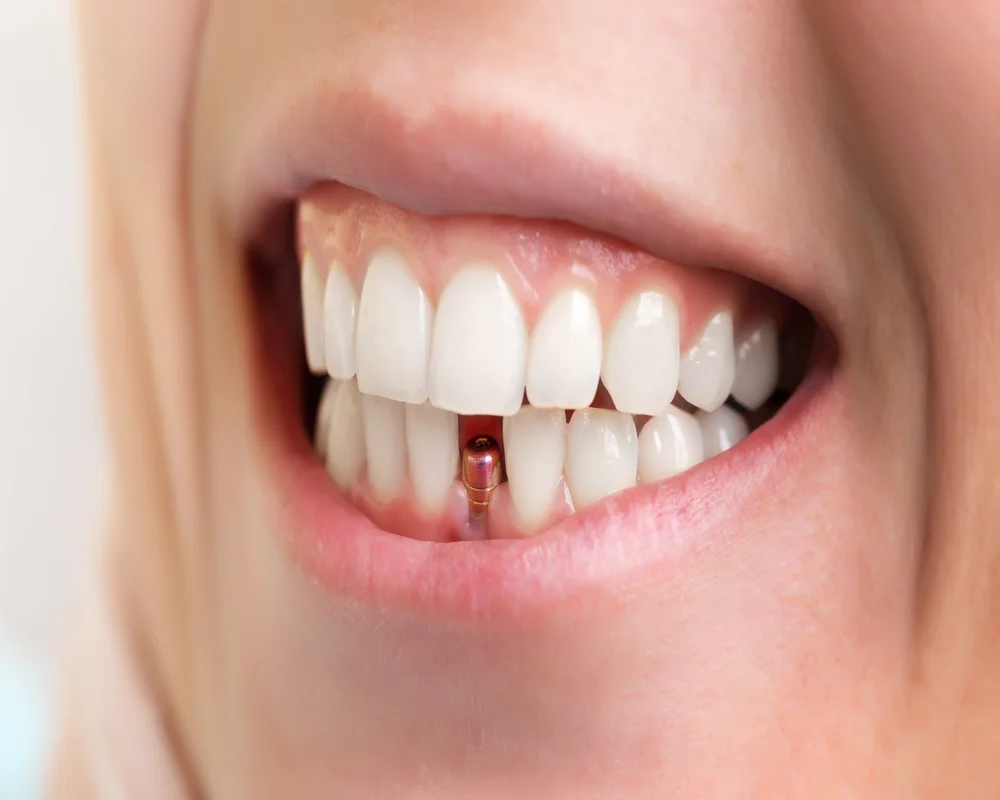
This guide explains why a molar is worth replacing, how a dental implant works for a back tooth, and what to expect from treatment. It is general information, and your own plan follows an examination. For the wider picture, see our overview of dental implants in Thornhill, and for a front tooth, our guide to a front-tooth implant.
Why a Missing Molar Matters
Molars carry much of the load when you chew, so losing one can make eating less comfortable and push you to favour the other side of your mouth. Over time, that uneven chewing can place extra strain on the remaining teeth and the jaw joint, and it can change how you eat without you really noticing.
There are knock-on effects for the neighbouring teeth too. When a molar is lost, the teeth beside the gap can gradually tilt into the space, and the tooth in the opposing jaw can start to over-erupt because nothing is meeting it. The jawbone in the empty area also tends to shrink over time. None of this happens overnight, but it is why dentists usually recommend replacing a molar rather than leaving the gap.
Why an Implant Suits a Back Tooth
A dental implant is often an excellent way to replace a molar. Because a molar takes significant chewing forces, having a replacement that is anchored firmly in the jawbone — rather than resting on the gum or leaning on other teeth — provides stable, reliable function for eating.
An implant also stands on its own, so it does not require altering the healthy teeth on either side, and it helps preserve the bone in the area. For a single missing molar with healthy neighbours, many people find an implant a very sensible choice. Our guide comparing an implant versus a bridge explains the alternative.
Special Considerations for Molars
The back of the mouth has some particular features that your dentist plans around. The jawbone at the back can sometimes be shorter or of different quality, and the upper molars sit close to the sinus cavities. These are routine considerations, but they are why careful imaging and planning matter for a back-tooth implant.
If there is not enough bone height in the upper back jaw, your dentist may discuss procedures to build it, and if a tooth has been missing a while, bone grafting before implant placement may be part of the plan. Imaging during planning shows exactly what your situation needs.
What the Process Involves
Replacing a molar follows the usual implant stages, with attention to the demands of the back of the mouth. After a consultation and imaging, any preparation such as grafting is carried out, then the implant is placed and left to heal so the bone can bond to it, and finally the crown is fitted.
Because molars are not visible, some people worry less about a temporary tooth during healing, though your dentist will discuss options. Our step-by-step guide to the dental implant procedure walks through each stage in detail so you know what to expect.
Molar Implant vs. Leaving the Gap
Some people decide to leave a molar gap, especially if it is far back and they are managing to chew comfortably. That can be a reasonable choice in some situations, but it is worth making it as an informed decision rather than by default, knowing the possible effects on the neighbouring and opposing teeth.
Your dentist can talk you through whether leaving the gap is sensible in your case or whether replacing the molar would protect your bite and comfort in the long run. The right answer depends on your specific mouth, not a general rule.
Caring for a Molar Implant
A molar implant is cared for much like a natural back tooth: brushing, cleaning between the teeth, and regular check-ups. Because molars are harder to reach, it is worth paying attention to cleaning thoroughly around the implant, and your hygienist can suggest tools that help.
Keeping the area healthy protects the gum and bone that support the implant. Our guide on how to clean dental implants covers the routine, which is straightforward once it becomes habit.
Who Might Be a Candidate
Many people missing a molar can be considered for an implant, but candidacy is decided after an examination that looks at the bone, the gum, and your general health. The back of the mouth has its particular considerations, but these are routinely managed with good planning.
If you have been missing a molar for some time, it is still worth an assessment. Modern techniques help manage situations — such as reduced bone height near the sinus — that once made back-tooth implants more difficult.
How a Molar Implant Feels Day to Day
Once a molar implant is finished and healed, most people find it simply feels like one of their own back teeth. Because it is anchored in the jaw, it stays put while you chew, so you can generally return to eating the foods you enjoy without thinking about it, which is often the change patients notice most.
There is usually little to no ongoing sensation from the implant itself, and cleaning it fits into your normal routine. For someone who has been chewing on one side to avoid a gap, restoring a molar can quietly make everyday eating more comfortable and balanced again.
Restore Comfortable Chewing at MiNa
Molar implant surgery at MiNa is led by Dr. Mehdi Adibrad, a periodontist and dental surgeon with an MSc in Periodontics and Implantology, working with Dr. Neda Kadivar on the restorative side.
To find out whether a molar implant suits you, request a consultation or call (289) 597-7191. MiNa Family Dentistry is at 7191 Yonge St, Unit 205, Thornhill, ON L3T 0C4. This page is general information and is not a substitute for a personal examination.
Further Reading
Canadian Dental Association: oral health informationFrequently Asked Questions
Ready to get started?
MiNa Family Dentistry
7191 Yonge St Unit 205, Thornhill, ON L3T 0C4
(289) 597-7191
Mon–Thu 9:00 AM–6:00 PM | Fri 9:00 AM–3:00 PM