

Replacing Several Front Teeth With Dental Implants
Losing several front teeth is understandably distressing. The front teeth are central to your smile, your speech, and your confidence, so replacing them well matters on more than a functional level. Dental implants can restore a row of missing front teeth in a natural-looking, stable way, but the front of the mouth calls for particularly careful planning.
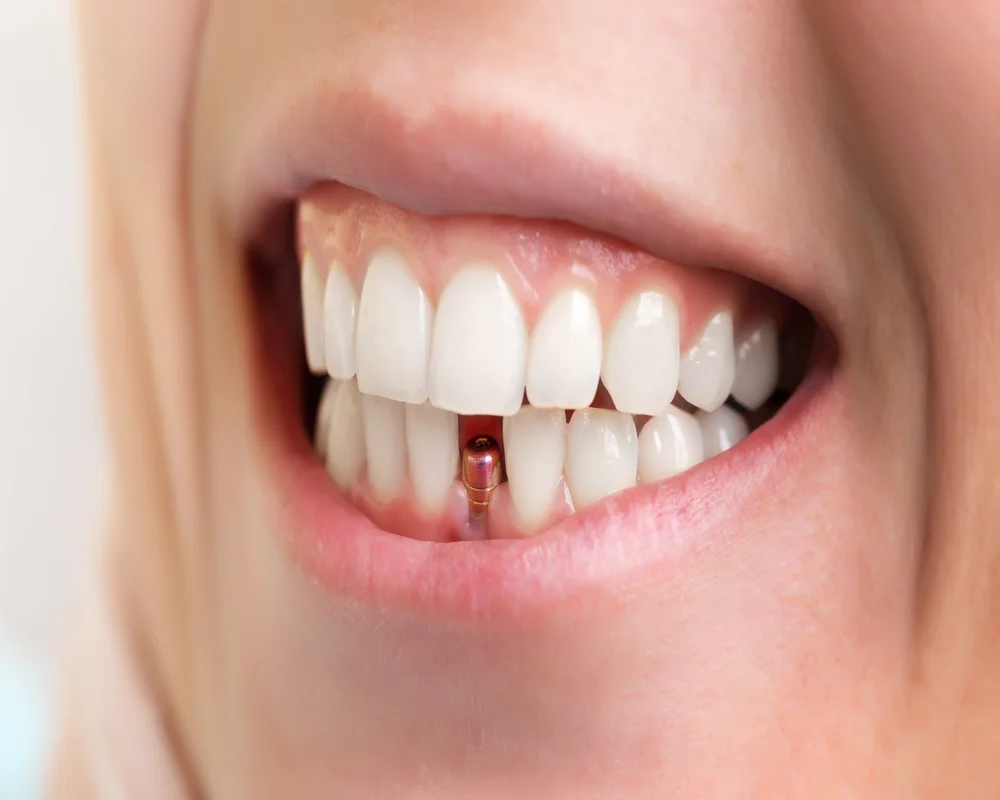
This guide explains the options for replacing several front teeth, why the aesthetic zone is special, and what to expect. It is general information, and your own plan follows an examination. For a single front tooth, see our guide to a front-tooth implant; for the bigger picture, our overview of dental implants in Thornhill.
Why Front Teeth Are Special
Dentists often call the front of the mouth the aesthetic zone, because it is what people see when you smile and talk. Replacing several front teeth is not only about function; the shape, shade, and arrangement of the teeth, and the way the gum frames them, all have to look natural and harmonious.
The tissues at the front can also be more delicate, and the bone thinner, than at the back. This makes careful planning and preservation of the gum and bone especially important when restoring several front teeth, so the result looks as good as it functions.
Options for Replacing Several Front Teeth
There is usually more than one way to restore a row of missing front teeth, and the right approach depends on how many teeth are missing and the condition of the bone. Your dentist will explain which suits your case. Common options include:
- Individual implants with separate crowns, where appropriate, for a very natural tooth-by-tooth result.
- An implant-supported bridge, using implants to anchor several replacement teeth across the gap.
- A combination approach, tailored to the specific spacing and bone available.
Individual Implants vs. an Implant Bridge
For several front teeth, one option is an implant for each tooth; another is fewer implants supporting a bridge of joined teeth. Individual implants can give a very natural, separate look, while an implant-supported bridge can span the gap with fewer implants, which may suit the bone available.
Neither is automatically better; it depends on the number of teeth, the spacing, and the bone. Our guide on implant-supported bridges explains the bridge option, and your dentist can advise which approach fits your smile.
Getting a Natural-Looking Result
With several front teeth, achieving a natural look takes careful attention to detail. The replacement teeth are made to match the shape, shade, and translucency of your other teeth, and the gumline is planned so it frames them evenly and naturally.
This is where planning and skill really matter, because the eye is quick to notice when front teeth do not look quite right. Temporary teeth are often used during healing, both so you are not without front teeth and to help shape the gum toward the final result.
Preserving Gum and Bone
Because the front tissues are delicate and visible, preserving the gum and bone is a priority when replacing several front teeth. If teeth have been missing for a while, some bone may have been lost, and bone grafting before implant placement may be discussed to rebuild support and help the final teeth look right.
Careful handling of the gum during treatment also helps maintain a natural gumline across several teeth. These steps are part of why restoring several front teeth is planned thoughtfully rather than rushed.
What the Process Involves
Restoring several front teeth follows the usual implant stages, with extra attention to appearance. After a consultation and imaging, any preparation such as grafting is carried out, then the implants are placed and left to heal so the bone can bond to them, and finally the crowns or bridge are fitted.
Because these are front teeth, temporary teeth during healing are especially valuable, so your smile is maintained throughout. Our step-by-step guide to the dental implant procedure explains each stage.
Caring for Front Teeth Implants
Several front-teeth implants are cared for much like natural teeth, with brushing, cleaning between the teeth, and regular check-ups. Keeping the gumline healthy is especially important here, since it frames the visible teeth, and cleaning around a bridge uses tools such as floss threaders.
Our guide on how to clean dental implants covers the routine. Looking after the gum and bone protects both the appearance and the longevity of your restored smile.
More Than a Dental Result
It is worth acknowledging that replacing several front teeth is about more than chewing. Front teeth shape how you smile, how you speak, and often how confident you feel in everyday situations, from meeting people to being in photographs. Many patients who have struggled with missing front teeth describe the change as affecting far more than their mouth.
That is why the care taken over appearance is not vanity; it is part of restoring something that matters a great deal to daily life. A good outcome aims not just for teeth that work, but for a smile you are happy to show. Being open with your dentist about what you hope for helps them plan toward a result that feels right for you, not just one that functions.
Restore Your Smile at MiNa Family Dentistry
Front-teeth implant surgery at MiNa is led by Dr. Mehdi Adibrad, a periodontist and dental surgeon with an MSc in Periodontics and Implantology, working with Dr. Neda Kadivar on the cosmetic and restorative side.
To discuss replacing several front teeth, request a consultation or call (289) 597-7191. MiNa Family Dentistry is at 7191 Yonge St, Unit 205, Thornhill, ON L3T 0C4. This page is general information and is not a substitute for a personal examination.
Further Reading
Canadian Dental Association: oral health informationFrequently Asked Questions
Ready to get started?
MiNa Family Dentistry
7191 Yonge St Unit 205, Thornhill, ON L3T 0C4
(289) 597-7191
Mon–Thu 9:00 AM–6:00 PM | Fri 9:00 AM–3:00 PM